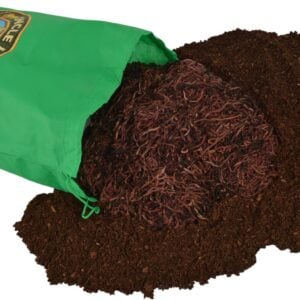
Composting kitchen and garden scraps using worms is faster than without worms. Adding a bag of composting worms results in richer compost. This dark compost is treasured by gardeners because it contains soil nutrients and living bacteria. Composting with worms is called “vermicomposting.” Vermicomposting is easy, and it’s a fun hobby too! Children and adults […]
Read more...
Everyone who composts with worms has asked themselves, “How much should I feed composting worms?” Red Worms are ideal composting worms. They need regular feedings of kitchen scraps and gardening waste. Composting worms quickly convert these scraps into valuable organic fertilizer. Feed composting worms too little, and they starve. Feed them too much, and they […]
Read more...
A workplace composting program could turn trash into treasure. Earth Day is the best day to start a workplace composting program. Ever thought about how much food scrap trash your workplace generates? The break room generates coffee grounds and tea bags. Left-overs and spoiled food from meals and snacks stink up the trash bins. And […]
Read more...
The best type of worms for your composter is the Red Worm (Red Wiggler). Their voracious appetites, medium size, and heartiness make them ideal composting worms. Falling into the genus “anulus,” meaning “ring” in Latin, the Eisenia fetida has up to 120 circular rings. The Red Worm Body On the outside of the red wiggler […]
Read more...
What are the best foods to feed composting worms? What are the worst foods? People who compost with worms face these questions every day. Fortunately, Uncle Jim’s Worm Farm has this Worm Feeding Guide! Vermicomposting is easy if you know the right foods to feed the worms — and the foods to avoid. Qualities of […]
Read more...
The best fruits, vegetables, and decorative plants come from high-quality soil. Home-made compost is the most cost-effective way to improve soil quality in your garden. Generating your own compost using worms and scrap vegetation costs pennies per day. Let’s find out how vermicomposting improves soil quality. As soon as an apple hits the ground, the […]
Read more...
One key to red worms’ reputation as superb composting worms is their ability to reproduce. A composting bin stocked with a couple of pounds of red worms can go a very long time without needing more worms added. If the worms are properly fed and cared for, they will make baby worms. What is the […]
Read more...
Composting Kitchen Surpluses
Posted on December 21, 2016
At Uncle Jim’s Worm Farm, we get questions about how to compost three common kitchen scraps: eggshells, coffee grounds, and orange peels. These are all popular foods and beverages. On average, we consume approximately 1 egg and 2 cups of coffee per day. That’s a lot of scraps! Fortunately, composting worms can take the burden […]
Read more...
(source: pinterest)When you want to compost outdoors, you can build relatively inexpensive compost bins using wood pallets. These large wooden rectangles are easy to find at local stores, warehouses and any business that receives shipments by truck. Repurposed wooden pallets reduce waste and save money. All you need is a little elbow grease, a few […]
Read more...
Since Whole Foods Market’s founding in Austin, Texas in 1980, this grocery store chain has shown a commitment to saving the planet. The US’s first certified organic grocer, Whole Foods sells only food free of hydrogenated fats, with no artificial preservatives, colors, flavors, and sweeteners. They have grown to more than 431 supermarkets in North […]
Read more...