

Top Selling Products
Red Worms
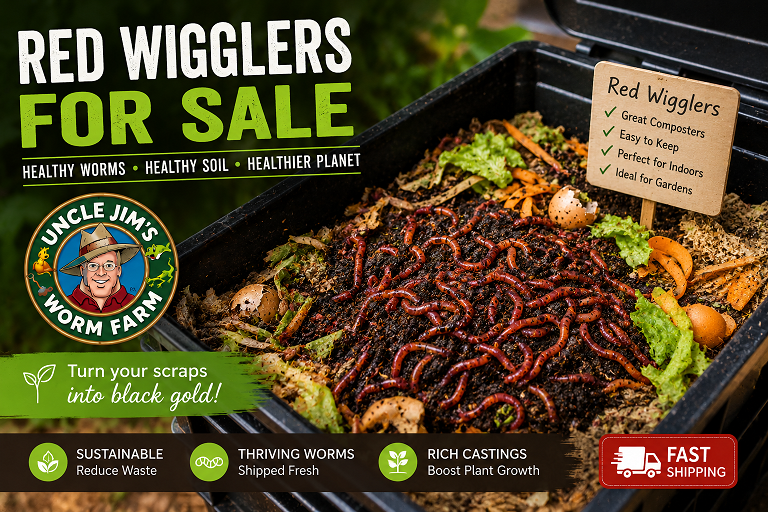
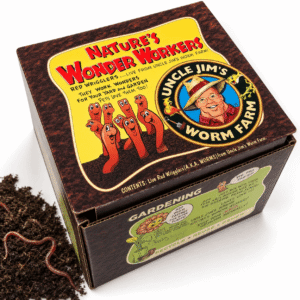
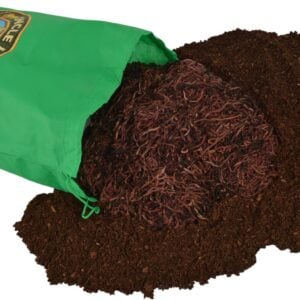
If you’re searching for red wigglers for sale, you’re already on the right track. Red wigglers are the most popular composting worm in the United States — they eat fast, reproduce quickly, and thrive in the compact indoor bins most people actually have space for. But not all red wigglers are the same. Source quality, […]
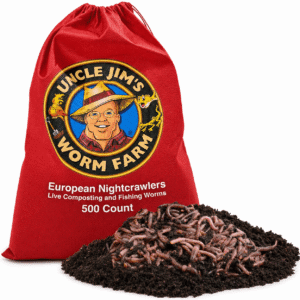
If you’re starting a compost bin or preparing your garden for spring, you’ve probably come across two popular options: Red Wigglers and European Nightcrawlers. Both are excellent composting worms — but they serve different purposes. Choosing the right one depends on whether your goal is fast composting, better soil aeration, or a multi-purpose solution. Quick […]
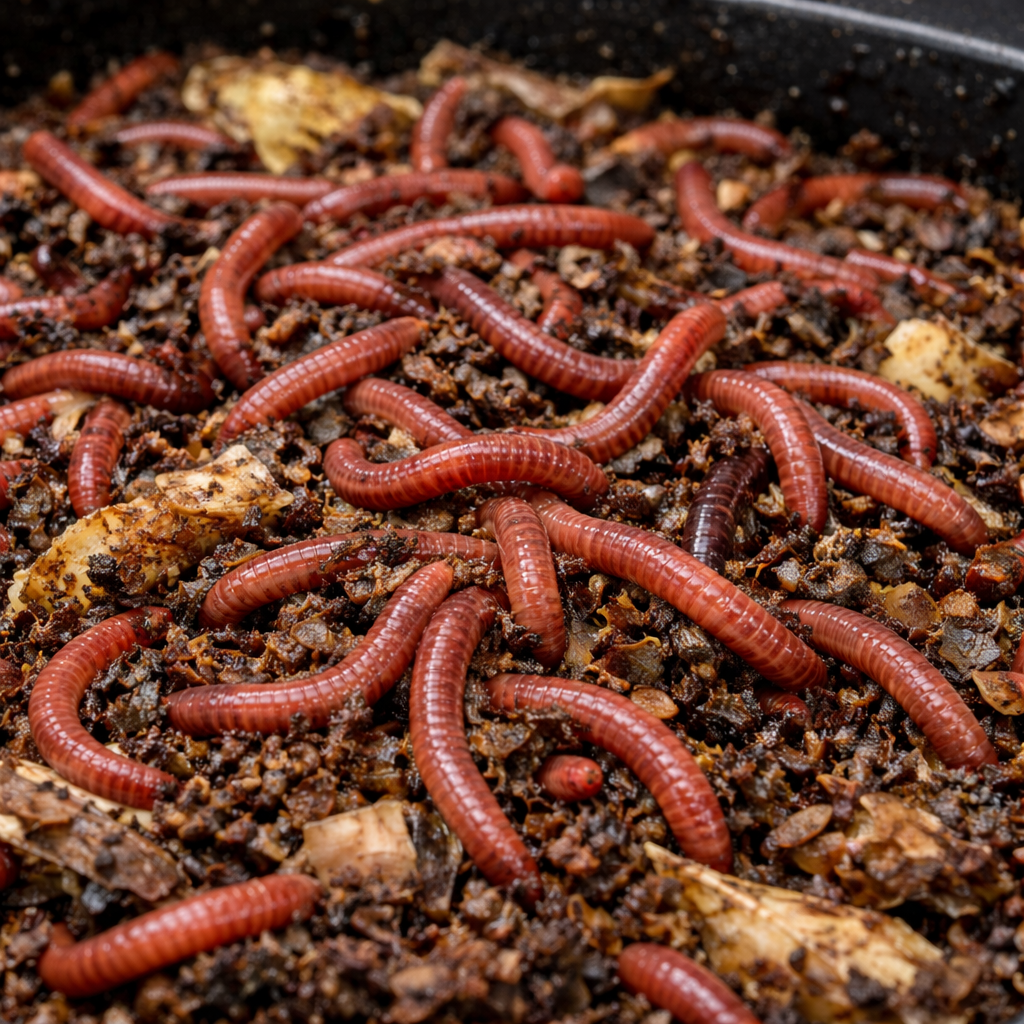
How Long Do Earthworms Live in Containers? A Complete Guide
Early Spring Prep Series February is when gardeners across the United States start planning for spring. Seed catalogs are open, compost bins are thawing, and many beginners are asking the same question before starting a worm bin: how long will my worms actually live? If you’re setting up your first indoor system before planting season, […]

How to Harvest Worm Castings & Use Them in Your Garden This Spring
Quick Summary: Harvesting worm castings is easier than you think — and spring is the best time to use them. In this guide, we’ll show you exactly how to separate castings from worms, when to harvest, and how to apply them in your garden beds, containers, and seedlings for maximum growth. Why Worm Castings Are […]

Quick Summary: If you’re looking for the most versatile, hardy, and high-performance composting worms, Uncle Jim’s 500 Super Red European Night Crawlers should be at the top of your list. In this post, we’ll break down why these worms are a smart buy before winter hits, what makes them so effective, and how they deliver […]
Make Your Composting Worms Reproduce Fast (Summer 2025 Guide): 12 Proven Tips + Troubleshooting
Summer is winding down, but there’s still time to turn a steady bin into a thriving nursery. Use these practical steps to help Red Wigglers reproduce quickly and keep your castings flowing. Quick Summary (TL;DR) Best range for Red Wigglers: 55–77°F bedding; avoid sustained heat above the mid-80s. Moisture: Wrung-out sponge feel (~60–80%). Keep bedding […]
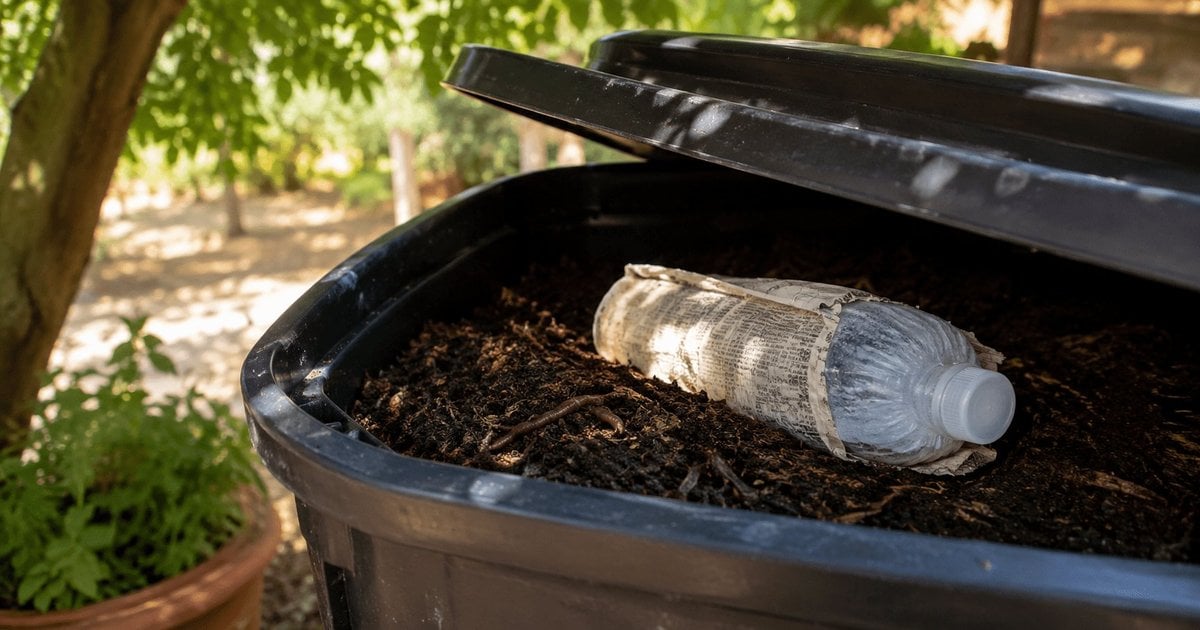
How to Keep Worm Bins Cool This Summer: 7 Heat Shield Hacks
It’s 95°F outside, you lift the lid on your worm bin, and instead of busy red wigglers tunneling through the bedding, you see worms climbing the walls, balling up in the corners, or worse — not moving at all. If you’ve ever opened your bin on a brutal August afternoon with that sinking feeling, you […]

Worms are tiny, squishy, and kinda mysterious, but they’re doing amazing stuff right under our feet! They’re way more than garden goo—they’re ancient, multitasking compost machines with quirks that’ll make you laugh and say, “Wait, worms can do that?” Prepare for twelve hilarious, squirm-worthy facts about these little soil heroes! You will never look at […]

Red Worms: Nature’s Composting Superheroes
If you’re looking into composting or simply want to boost your garden soil’s quality, let us introduce you to one of nature’s finest workers: red worms! These little critters, often called red wigglers, are absolute champions in turning kitchen scraps into rich, fertile compost. In this article, we’ll get into the nitty-gritty of what […]
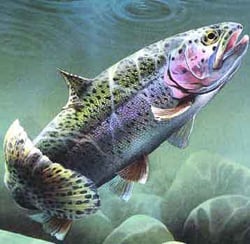
Inspired by Real Angler Experiences | Review Feedback If you’re an angler who has had the sheer pleasure of catching a trout, you understand the allure these fish possess. They’re not just a thrilling fight on the line; they exhibit a captivating beauty and, once caught, provide a delightful meal. Trout can be finicky eaters, […]