

Top Selling Products
Search Results for: composting bin
Organic Lawn Fertilization with Worm Castings & Tea
Posted on March 30, 2017
Fertilizing your lawn using worm castings is non-toxic and money-saving. Keeping a vermicomposting bin results in free organic worm castings. By feeding your kitchen and garden scraps to Red Worms, you will develop a supply of dark, organic fertilizer. You can make Worm Tea or apply castings directly. Using worm castings on your lawn is […]
Read more...
Make Your Own Seed-Starting Mix with Compost
Posted on February 7, 2017
The anticipation of the spring’s plantings gives hope to gardeners throughout the winter. Get a taste of spring four to 12 weeks before the final frost by starting seeds indoors! Making your own seed-starting mix is economical. And if you compost with worms, your wiggly friends will produce a perfect seed-starting ingredient: organic fertilizer. Certain […]
Read more...
How to Raise Worms for Live Bait for Fishing
Posted on January 19, 2017
Are you a fishing enthusiast who loves using live fishing worms as bait? Are you tired of the cost and inconvenience of buying live bait? You can easily keep a stock of juicy worms at your fingertips by composting with worms. Your kitchen scraps are going to waste! They would make great food for your […]
Read more...
How to Screen Compost – Separate Fertilizer from Worms, Sticks, and Debris
Posted on May 30, 2016
In this article and video, Uncle Jim’s Worm Farm gives you step-by-step instructions for screening compost. Screening compost is a common way of improving the quality of finished compost. After kitchen scraps and gardening waste has been broken down over several months, it’s almost ready to be applied to the garden. Running it through a […]
Read more...
Making a Screen to Separate Worms from Compost
Posted on May 24, 2016
If you have been composting with worms, you will occasionally want to harvest those valuable worm castings. This completed compost is rich in nutrients and perfect for the garden. Completed compost helps plants grow strong. One way easy to separate the worms from the compost is to use a screen. Here at Uncle Jim’s Worm […]
Read more...
How to Separate Worms from Compost and Bedding
Posted on March 8, 2016
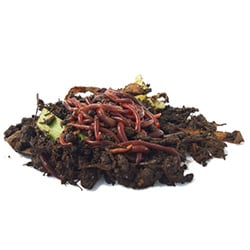
There are several reasons why you might want to separate your composting worms from their bedding. Perhaps it is time to harvest the finished compost. Or maybe something has gone REALLY wrong in the bin, and you need to start your bin over again. Uncle Jim’s Worm Farm offers several techniques for separating your worms […]
Read more...
Eliminating Fruit Flies Near Indoor Composters
Posted on October 19, 2015
3If your household composts its kitchen scraps, you may have had problems with fruit flies. These tiny flies are harmless, but they are definitely annoying. And they can invade your bowl of fresh fruit, spoiling expensive produce. Whether you keep a compost pail on your countertop or use worms to break down scraps in an […]
Read more...
Worm Castings for Vegetable Gardening
Posted on July 28, 2015
Maintaining a vermicomposting bin means you have a supply of worm castings at your fingertips. This dark, nutrient-rich organic fertilizer is perfect for side-dressing your vegetable garden. Certain types of vegetable plants, and certain soil types, can benefit from consistent side-dressing. Let’s find out when to use side-dressing, and how to do it. Side-dressing means […]
Read more...
Keep Worms Cool in the Hot Summer Months
Posted on July 7, 2015
When the weather is hot, your vermicomposting system will heat up, too. Composting worms are living creatures who operate best in a specific temperature range. Let’s find out how you can keep them cool in the warm months of the year. Our hearty composting worms are designed to handle a range of temperatures. Below 57 […]
Read more...
How to Harvest Your Compost
Posted on May 5, 2015
You have been faithfully adding organic matter to your compost bin, and now it’s time to reap the harvest! In the spring and summer, your plants need lots of organic fertilizer to grow strong. Maintaining a composting bin or pile is the best way to make your own organic fertilizer at home. When you are […]
Read more...