


The ancient practice of worm farming techniques dates back centuries. Today, it is more than just turning kitchen scraps into garden gold. In fact, it is becoming a cornerstone of sustainable living.
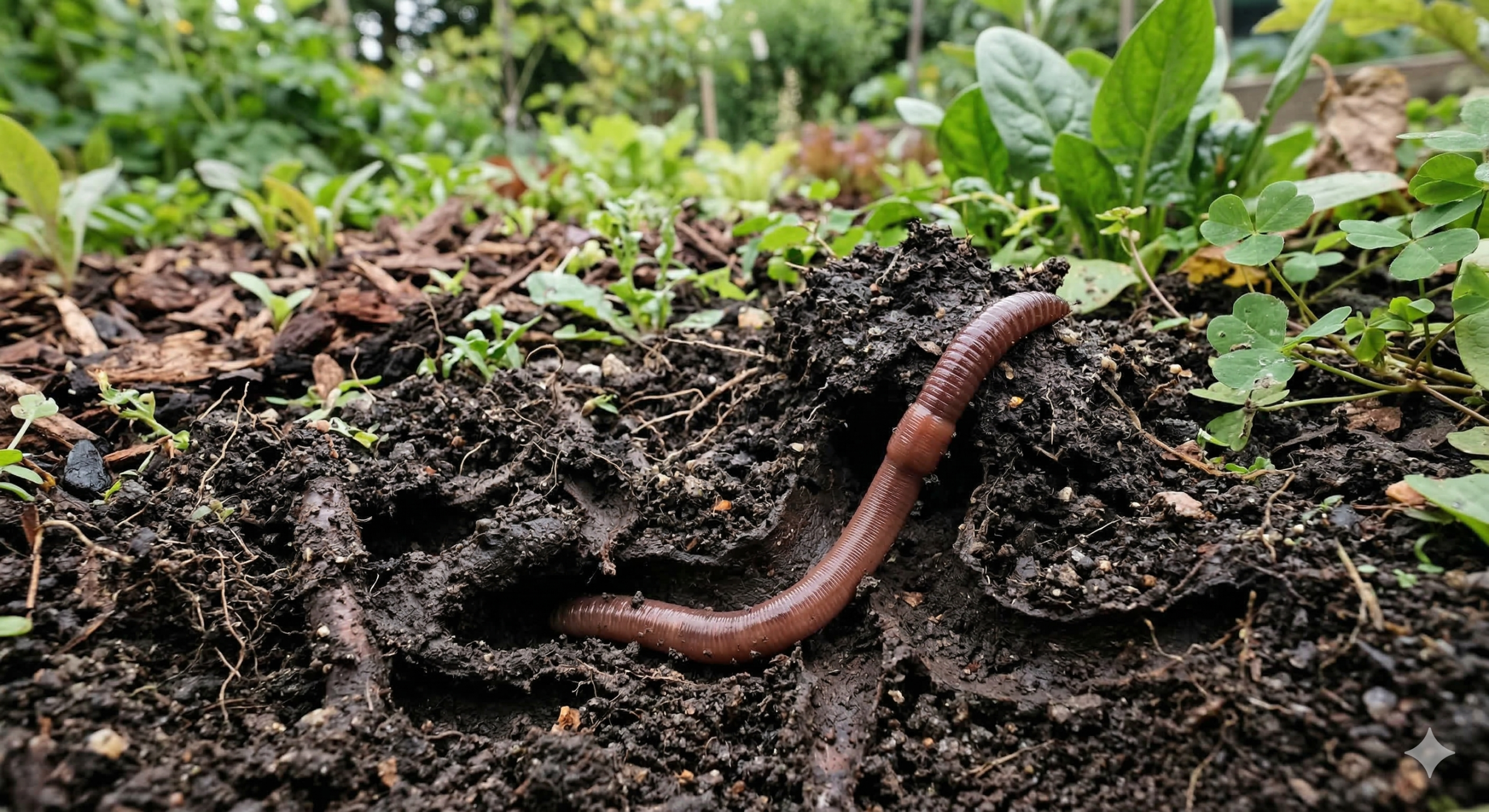
Over 6,000 species of earthworms exist worldwide. These tiny workers play a crucial role in enhancing soil structure, nutrient cycling, and plant growth.

As global focus shifts towards sustainability, worm farming is skyrocketing in importance. It helps reduce waste, lower greenhouse emissions, and promote organic agriculture. This article explores exciting worm farming techniques. We will cover space-saving stackable bins as well as cutting-edge smart monitoring technologies.
1. Stackable Worm Bins
Stackable worm bins are a game-changer in the world of vermiculture. They act much like high-rise condos for our wriggly earth movers. Here is how it works: each tray is filled with bedding and organic waste to create multiple composting levels. As a result, worms naturally migrate upwards, leaving behind their nutrient-rich castings.
This ingenious design maximizes vertical space. Therefore, it is perfect for small gardens or balconies. Additionally, it simplifies the harvesting process. You do not need to dig through soil to separate worms. Simply remove the bottom tray to harvest beautifully processed compost.
The stackable system keeps the party moving upward. This process ensures a continuous cycle of feeding, composting, and harvesting. Overall, it is a win-win. Your worms get a varied diet, and you get a steady supply of fine compost without hassle.
2. Flow-Through Systems

The flow-through system is a marvel in vermiculture. It streamlines the process of collecting worm castings. At its core, a vertical tower holds kitchen scraps, paper waste, and compostables at the top layer. Over time, these decomposers process waste and move upwards, leaving rich castings behind.
Beneath this ecosystem is a clever harvesting mechanism. It often consists of a bar or grate that moves to sift through compost. Consequently, finished castings fall to a collection area without disturbing the worms. This means you can easily pull out ready-to-use compost from the bottom.
Furthermore, the flow-through system produces highly uniform vermicompost. It is a set-it-and-forget-it approach that saves your back from heavy lifting. As a result, gardeners get continuous nutrition for their plants, while worms enjoy an uninterrupted feast.
3. Vermicompost Tea
Brewing vermicompost tea involves a simple yet ingenious process that transforms solid worm castings into a potent liquid fertilizer, akin to a superfood smoothie for your plants. Here’s the scoop on how this magic potion comes to life:
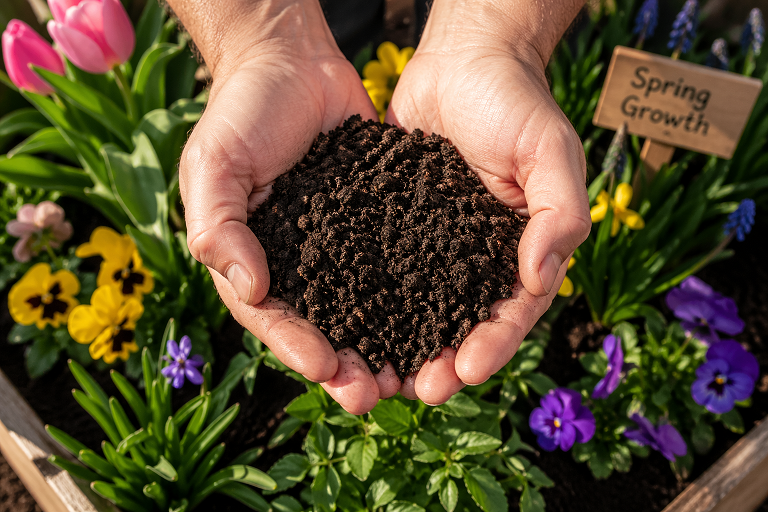
- Starting with the Basics: The process begins with vermicompost, which is the nutrient-rich end product of the decomposition of organic material by worms. This compost is teeming with beneficial microorganisms, nutrients, and enzymes that are great for plant health.
- The Brewing Process: To make vermicompost tea, you take a portion of this vermicompost and steep it in water, much like brewing a giant cup of tea. However, there’s a twist; to maximize the benefits, an air pump aerates the mixture continuously. As a result, this aeration encourages the growth and multiplication of beneficial bacteria and fungi by pumping oxygen into the water.
- Straining the Goodness: First, after brewing for 24 to 48 hours, the liquid is strained to remove any solid particles. Consequently, what you’re left with is a dark, nutrient-rich tea that’s ready to be used as a liquid fertilizer.
- Application: You can apply vermicompost tea directly to the soil around plants or as a foliar spray. In fact, the nutrients and beneficial microbes in the tea help to improve soil structure, increase nutrient availability, and enhance plant growth. Furthermore, it also helps in suppressing plant diseases and pests due to the beneficial organisms introduced to the root system.
Brewing vermicompost tea is a fantastic way to boost your garden’s productivity and health organically. In addition, it’s also a sustainable gardening practice that supports a healthy ecosystem in your own backyard. Learn more on how to brew this yummy plant booster here.
4. Smart Monitoring Technologies
Worm farming is stepping into the future with some pretty nifty gadgets that would make even a tech enthusiast’s heart skip a beat! Imagine turning your worm bin into a high-tech hub, where every little condition is monitored to keep your squiggly friends happy and thriving. Here’s how this cool tech works to create a worm paradise:
- Smart Sensors Galore: These aren’t your average gadgets. We’re talking about smart sensors that can measure moisture levels, temperature, pH, and even the oxygen levels in your worm bin. It’s like having a mini weather station focused entirely on creating the perfect environment for your worms.
Real-Time Data and Automation
- Real-Time Alerts: With these smart monitoring technologies, you can get updates straight to your phone or computer. Is your worm bin getting too dry or too hot? You’ll know instantly, thanks to real-time alerts. It’s like your worms are sending you a text message saying, “Hey, could use a bit of cooling down here!”
Automated Care and Data Insights
- Optimal Conditions on Autopilot: These gadgets can help you adjust conditions without you having to lift a finger. Need to increase moisture? A smart system can trigger a mister. Too cold? It can kickstart a heating pad. It’s all about keeping the conditions just right, automatically.
- Data, Data, Data: By tracking the conditions in your worm bin over time, these smart technologies can give you insights into what works best. You’ll start to see patterns and learn exactly what your worms love. It’s like being a worm detective, piecing together clues to solve the mystery of the perfect composting conditions.
This high-tech approach to worm farming is not just about making things easier. Instead, it’s about getting to know your worms and their environment on a whole new level. Therefore, you ensure they are as happy and productive as possible. Finally, if you want to know more about the latest worm-tech, check out this article.
Wrapping It Up with a Bow
At Uncle Jim’s, we’re on a mission to make worm farming the next big thing in your backyard or balcony. Therefore, whether you’re eyein’ some live worms, dreaming of your first compost bin, or just curious about the green life, our door is always open. In addition, by embracing these worm farming innovations, you’re not just growing plants; you’re growing a greener future. So, let’s keep the soil alive, the plants happy, and our planet a little bit healthier, one worm at a time. Finally, are you ready to join the fun?

2 thoughts on “Cutting-Edge Worm Farming Techniques You Need to Try”
Tell us more about the “high tech” gadgets you mention!!
Solid roundup. The stackable-tray approach in section 1 is what finally got me off my single bin – harvesting went from a wrestling match to just sliding out the bottom tray.
What I’d add to the smart monitoring section is that sensors only give you numbers, not the picture. I now shoot a fixed-angle photo of the same tray once a week and stitch those frames plus a couple of short clips into one compact explainer video per month, so I can actually compare casting texture and worm activity instead of guessing from a moisture reading. Short AI-assisted video edits made that routine cheap enough to keep up – turning a handful of phone frames into a clean clip takes minutes, and the result is clear enough to show someone new to vermicomposting what healthy bedding is supposed to look like. That visual log caught a dry-out roughly a week before my probe would have flagged it.
Has anyone tried the same with the flow-through tower in section 2, where the tray positions shift as you harvest?