

Quick Summary
Buying composting worms or worm castings in bulk isn’t just “the small order, but bigger.” Once you cross into the thousand-worm or hundred-pound range, the math, the logistics, and the day-to-day care all change. This guide breaks down realistic bulk quantity tiers, how to store and handle worms and castings at scale, how often to reorder, and what shifts in your care routine once you’re managing thousands of worms instead of a few hundred.
Why “Bulk” Means Something Different Depending on Who You Are
A backyard gardener scaling up to a 4×8 raised bed operation has very different needs than a bait shop restocking for the season, or a market garden trying to cut fertilizer costs across two acres. Before you place an order, it helps to know which category you fall into, because it determines both the quantity you need and how you’ll manage it once it arrives.
- Fishing suppliers and bait shops typically reorder wholesale worms weekly or biweekly during fishing season, prioritizing shelf life over long-term colony growth.
- Market gardeners and microfarms usually buy bulk worm castings on a seasonal cycle, timed to bed prep in early spring and again before fall planting.
- Serious hobbyists scaling up often start with bulk composting worms to seed a larger bin system, then transition to producing their own castings over time.
- Institutions and breeders tend to buy both bulk worms and bulk earthworms for breeding stock, plus castings for demonstration gardens or research plots.
Bulk Quantity Tiers: What They Actually Mean in Practice
Composting Worms (Red Wigglers, European Nightcrawlers)
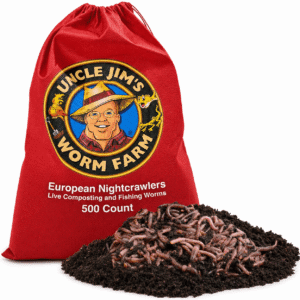
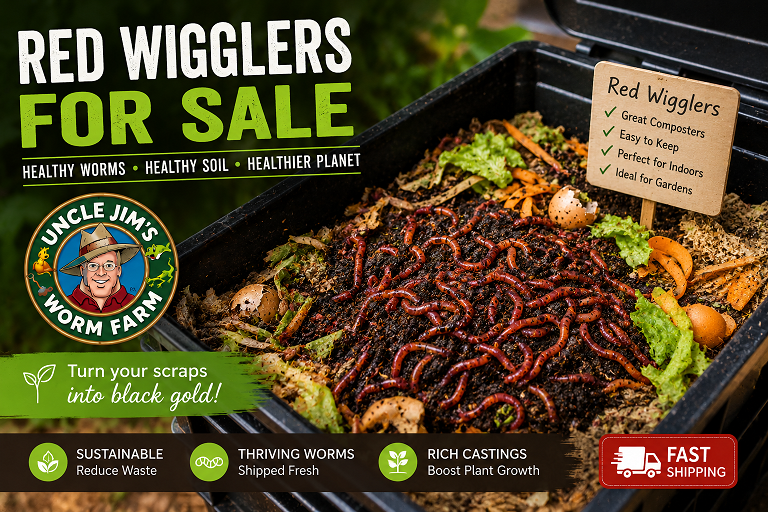
Bulk worm orders are usually sold by count or by pound. As a rough reference point, a pound of red wigglers contains approximately 800–1,000 worms, though this varies with worm size and maturity. Here’s how quantity tiers typically map to use cases:
- 1,000–2,000 worms: Seeding a new large bin system, starting a small-scale vermicomposting operation, or supplementing an existing colony that’s outgrown its container.
- 5,000 worms: A common tier for serious hobbyists managing multiple bins, or small commercial setups processing regular food waste volume.
- 10,000+ worms: Fishing wholesalers, breeding operations, and microfarms running dedicated vermicomposting systems at a scale where reproduction rate matters as much as the initial order.
Worm Castings
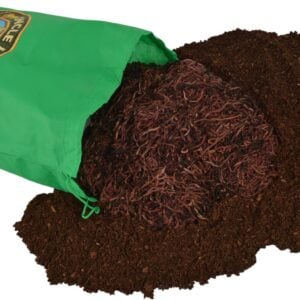
Castings are typically sold by weight or by cubic volume for larger orders. Application needs, not curiosity, should drive the quantity you order — a few extra bags won’t hurt, but a shortfall mid-application can mean re-treating beds unevenly.
- Under 25 lbs: Container gardening, raised beds, or top-dressing a modest vegetable garden.
- 25–100 lbs: Multiple raised beds, small orchards, or a market garden plot under a quarter acre.
- 100+ lbs (bulk): Larger growing operations, nurseries, and anyone applying castings across a full acre or more, where per-acre application rates come into play.
How Much Worm Castings Should You Apply Per Acre?
This is one of the most common questions bulk buyers ask, and the honest answer is: it depends on your soil test results and your crop’s nitrogen needs, but there are useful reference points. Application research compiled by land-grant universities generally centers on a range of a few tons of vermicompost per acre for row crops, with lighter rates for beds and containers scaled down proportionally. For a precise number, a soil test paired with your extension office’s guidance will get you closer than a blanket rule of thumb — nutrient concentration varies by feedstock and processing method, so not all castings apply at the same rate. NC State Extension’s vermicomposting program, one of the most established research groups on commercial-scale worm composting in the country, is a solid starting point if you want to go deeper on application science before scaling up your own operation.
Storage and Handling Once You’re Managing Thousands of Worms
Small orders are forgiving. A single bin can absorb some inconsistency in temperature or feeding. Bulk quantities don’t offer that same margin for error, mostly because problems compound faster across a larger, denser population.
For Live Worms
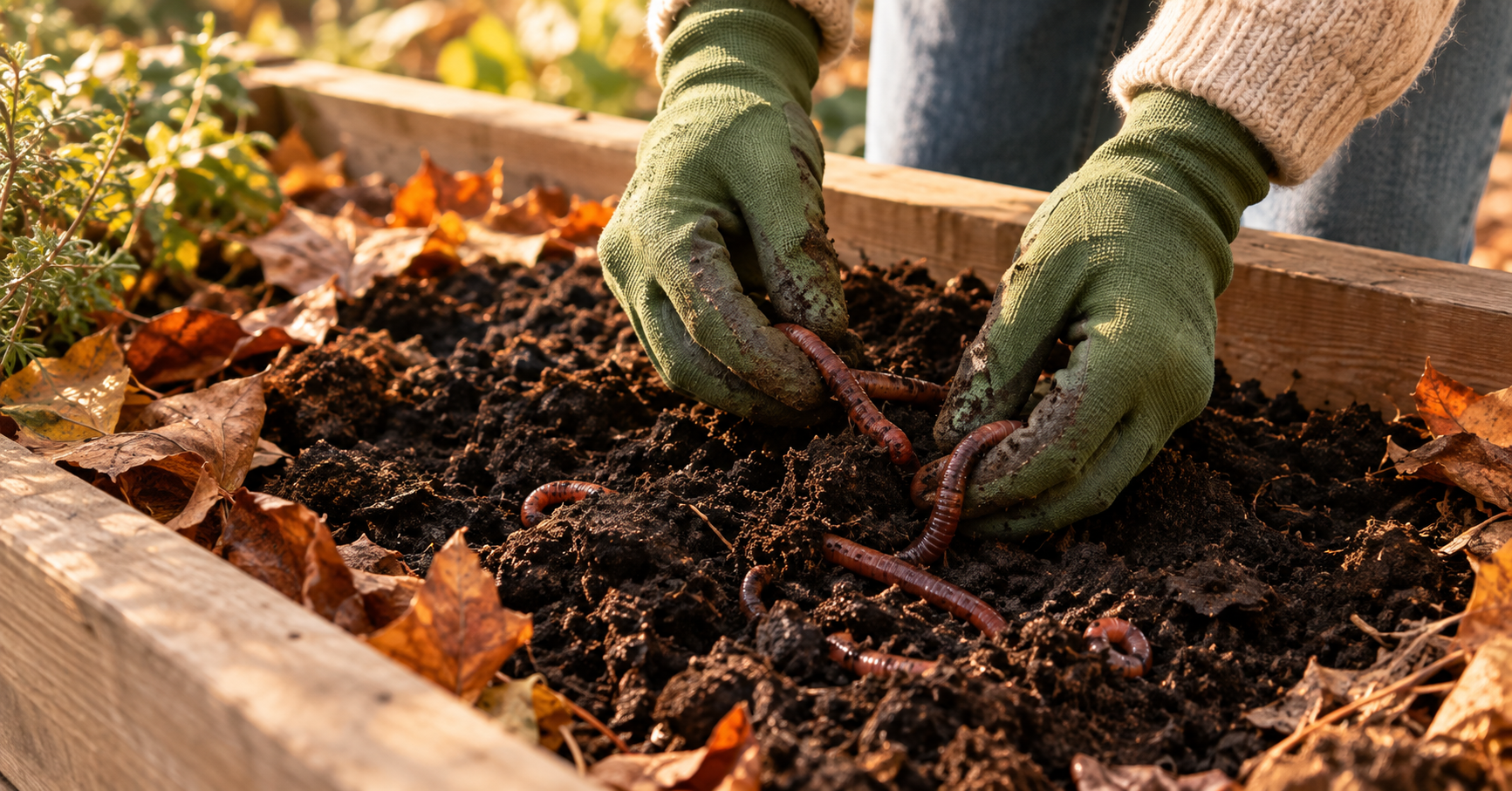
- Unpack immediately. Bulk shipments arrive in ventilated bedding, but a large mass of worms generates heat fast. Get them into their permanent bin or holding container within hours of arrival, not days.
- Split large populations across multiple containers. A single container holding 10,000+ worms is harder to keep aerated and evenly moist than the same population spread across three or four bins. Overcrowding also slows reproduction.
- Monitor temperature more closely. Dense worm mass raises the internal temperature of bedding faster than a small hobby bin. Check core temperature daily for the first week after a large delivery, especially in warm weather.
- Have bedding ready before the worms arrive. Bulk buyers sometimes underestimate how much bedding material a large population needs on day one. Prep your bedding volume in advance so worms aren’t waiting in shipping material longer than necessary.
For Bulk Castings
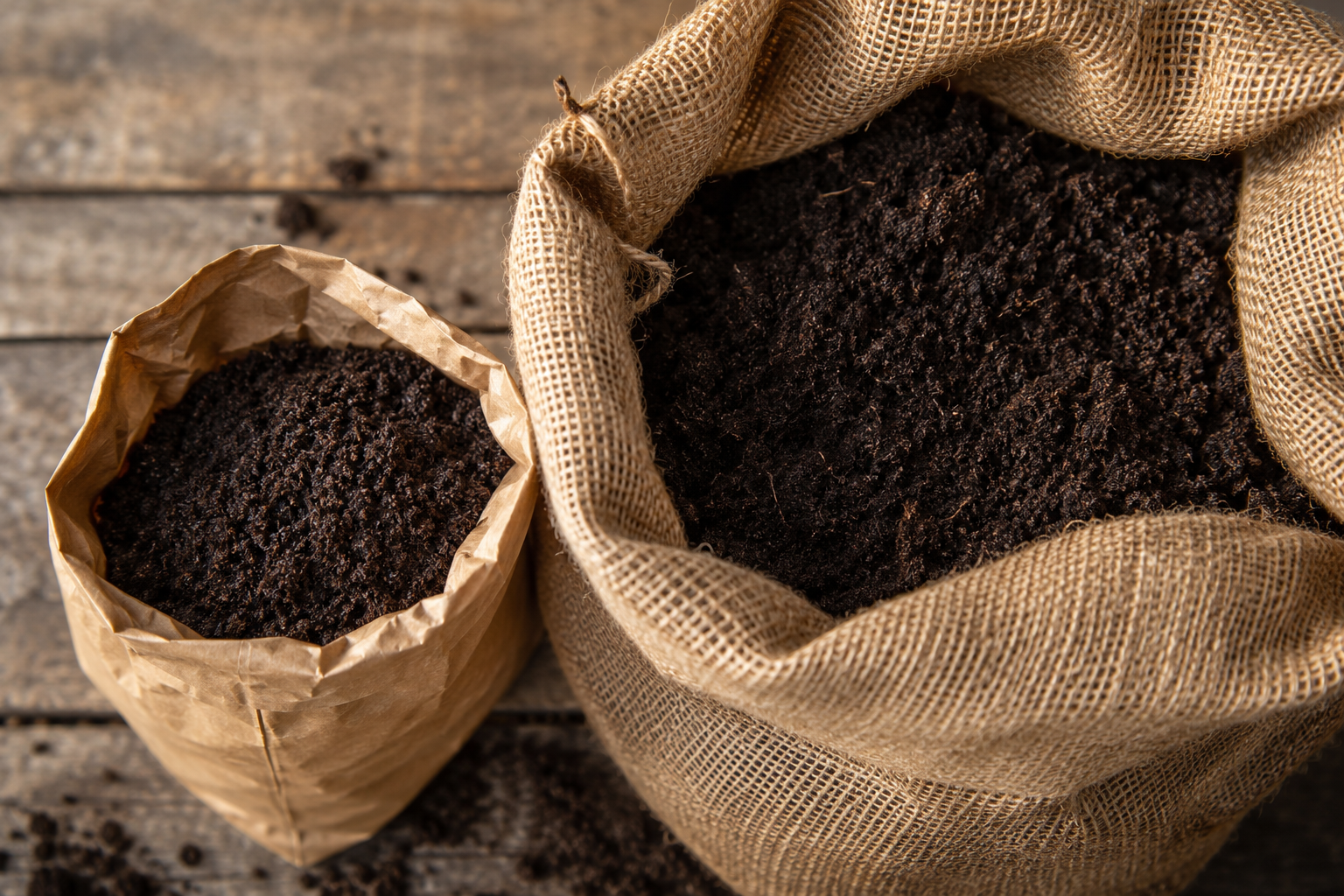
- Store in a cool, shaded, dry location. Direct sun and heat can dry out castings and reduce microbial activity, which is a big part of what makes them valuable in the first place.
- Keep bags or bulk containers sealed but not airtight. Castings are a living product with active microbial populations; some airflow helps maintain that biology without letting the material dry out.
- Use within a reasonable window. Castings don’t spoil the way food does, but their microbial activity is highest when fresh. If you’re buying months ahead of application, plan for gradual use rather than one large application from old stock.
How Often Should You Reorder?
Reorder cadence depends entirely on what you’re using the worms or castings for:
- Bait suppliers restocking wholesale worms often reorder weekly during peak fishing season (spring through early fall) and scale back or pause in winter.
- Market gardeners applying bulk castings typically order twice a year — once ahead of spring bed prep, once before fall planting — unless soil testing indicates a need for supplemental applications.
- Vermicomposting operations raising their own worms for castings production may only need to reorder breeding stock occasionally, since a healthy colony reproduces on its own. Reordering usually happens to diversify genetics or recover from a die-off, not to replace natural population loss.
What Changes About Care Once You’re Managing Thousands of Worms
The biology doesn’t change — red wigglers and European nightcrawlers still need the same moisture, temperature, and food balance whether you have 200 or 20,000. What changes is the margin for error and the systems you need to manage it.
- Feeding becomes a logistics problem, not a task. At small scale, you drop in scraps a few times a week. At bulk scale, you need a consistent, sourced supply of feedstock — food waste partnerships, spent grain from a brewery, or bulk-purchased bedding material — or your worms will outpace what you’re able to feed them.
- Moisture management needs a routine, not a glance. A single bin is easy to check by feel. A dozen bins or a large-scale system needs a regular monitoring schedule, because a moisture problem in one section can spread before you notice it.
- Harvesting castings takes real time. Separating worms from finished castings at bulk scale isn’t a weekend task — many larger operations invest in screening equipment specifically because manual harvesting doesn’t scale past a certain point.
- Record-keeping starts to matter. If you’re producing castings for sale or reselling worms, tracking feedstock sources, moisture logs, and harvest dates isn’t just good practice — it’s often required for organic certification or resale documentation. The USDA’s guidance on compost and vermicompost production outlines the kind of recordkeeping expected for operations selling into organic supply chains, and it’s worth a look even if you’re not certifying yet, since it shows what documentation buyers may eventually ask for. You can review the USDA’s National Organic Program guidance on compost and vermicompost for the specifics.
Does Buying in Bulk Actually Save Money?
Usually, yes — but the savings show up differently depending on whether you’re buying worms or castings.
With bulk composting worms, the per-worm cost typically drops as order size increases, since packaging and shipping costs don’t scale linearly with quantity. The bigger savings, though, come from reproduction. A well-managed colony of a few thousand worms can double its population in a matter of months under good conditions, meaning a single bulk order can offset the need for repeat purchases if your goal is an ongoing composting or breeding operation rather than a one-time need like bait.
With bulk worm castings, the savings are more straightforward: price per pound generally decreases at higher volumes, and buying enough to cover a full season’s application in one order usually costs less than several smaller top-off purchases, once you factor in repeat shipping. The trade-off is upfront cost and the need for adequate storage — so the “cheaper per pound” math only pays off if you actually have the space to store the full order properly until it’s used.
For wholesale buyers reselling worms — bait shops, in particular — margin depends heavily on turnover speed. Worms held too long before resale cost money in feed, space, and mortality risk, so matching your order size to realistic sell-through time matters more than chasing the lowest per-worm price on the largest tier available.
A Note on Temperature-Sensitive Species at Scale
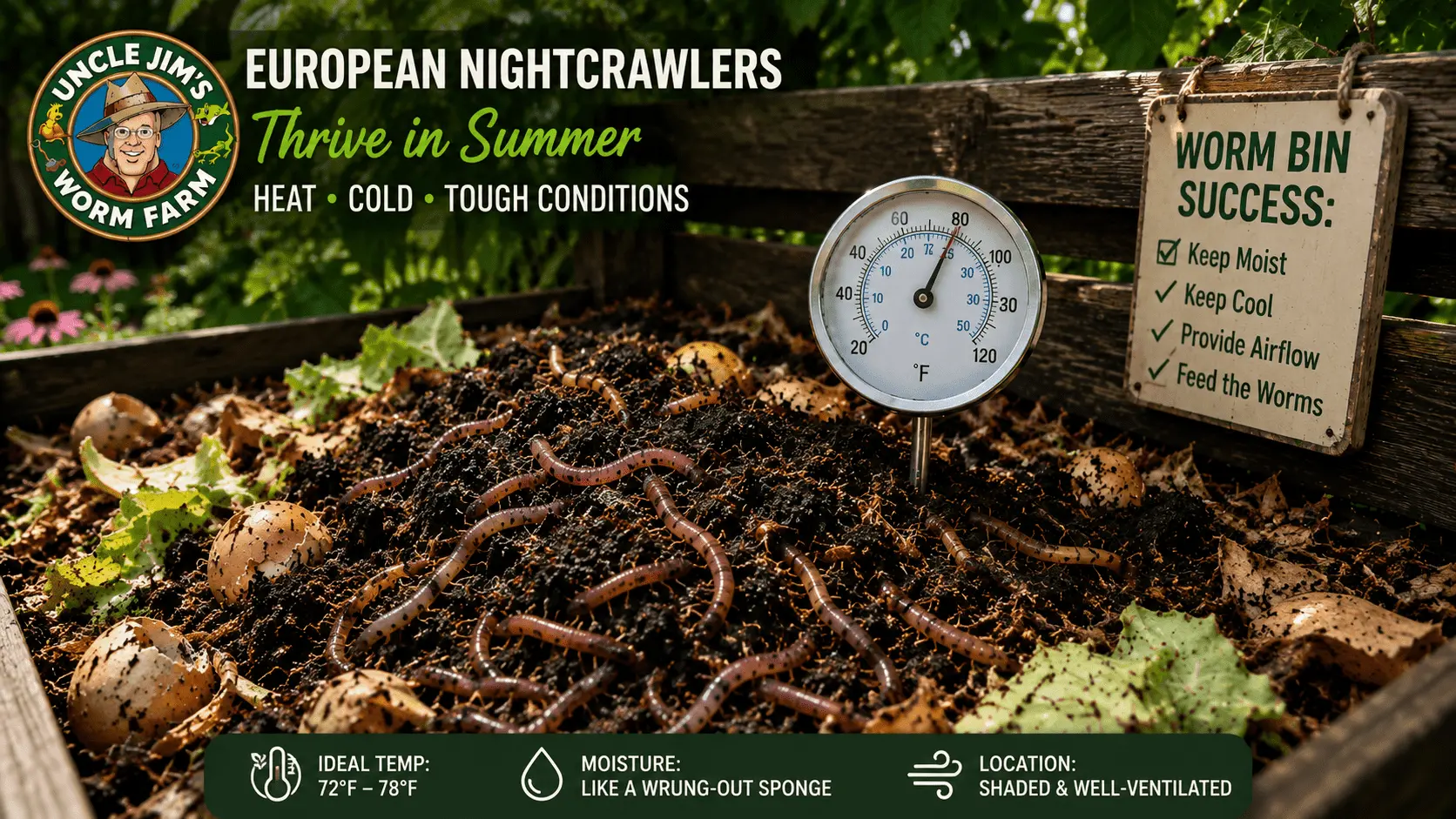
If your bulk order includes European Nightcrawlers alongside red wigglers, keep in mind they handle temperature swings differently — which matters more at scale, since a large population is harder to relocate quickly if conditions shift. We’ve covered how these worms hold up across seasonal extremes in more detail in our guide to European Nightcrawlers in hot, cold, and tough conditions, which is worth reading before you commit to a species mix for an outdoor or unheated bulk setup.
Frequently Asked Questions
What’s the minimum order considered “bulk” for worms or castings?
There’s no industry-standard cutoff, but most suppliers treat worm orders of 5,000+ and castings orders of 25+ lbs as bulk pricing territory, since that’s typically where per-unit costs start to drop meaningfully.
Do bulk worms ship differently than small orders?
The shipping method is usually similar — ventilated packaging with moist bedding — but bulk orders require faster unpacking and often need to be split across multiple containers on arrival to avoid overheating.
Is it cheaper to buy bulk castings once a year or in smaller batches throughout the season?
It depends on storage capacity and application schedule. Buying once often reduces shipping costs, but only makes sense if you have a cool, dry place to store the full volume and a plan to use it within a few months for best microbial activity.
Can I mix bulk red wigglers and European Nightcrawlers in the same system?
Yes, the two species can coexist since they occupy different depths in a bin or bed, but at bulk scale it’s worth tracking ratios so one species doesn’t gradually outcompete the other.
What’s Next?
Whether you’re stocking up for the season or scaling into your first real vermicomposting operation, getting the quantity and handling right from the start saves you from costly reordering and avoidable die-offs. Ready to place your bulk order? Shop Red Wigglers and European Nightcrawlers or order Worm Castings in bulk and get exactly what your operation needs. Sourcing bait worms at volume? Check out our Meal Worms for bulk fishing and feed use. And if you’re new to harvesting your own castings once your colony is established, our guide to harvesting worm castings walks through the process step by step.
About the Author: This guide was developed by the Uncle Jim’s Worm Farm content team, drawing on decades of hands-on composting worm and castings production experience. Uncle Jim’s has been shipping live, guaranteed composting worms and organic worm castings across the U.S. since the 1970s, working with everyone from backyard beginners to bulk buyers running commercial-scale operations.
2 thoughts on “Bulk Worm Castings & Composting Worms: Buyer’s Guide”
For someone just starting a vermicomposting setup, would you recommend buying 1,000–2,000 Block Blast worms in bulk right away, or is it better to start with a smaller colony and scale up once you understand the feeding and moisture requirements?
When receiving a shipment of worms, 2500, is it best to put some food out when you put the worms in, or wait a while