

Salamanders are fascinating creatures that live in a variety of habitats around the world. As carnivorous animals, they require a proper diet for their health and well-being. Therefore, salamander enthusiasts must know what these amphibians eat to provide proper care. In this blog, we explore salamander dietary preferences. Furthermore, we explain why mealworms are an excellent choice for these animals.
The Carnivorous Diet of Salamanders
Salamanders hunt by nature and primarily consume a diet rich in protein. In the wild, they usually eat:
-
Insects
-
Worms
-
Slugs
-
Spiders
-
Other small invertebrates
Specifically, the exact diet of a salamander depends on its species, size, and habitat. However, mealworms stand out as an exceptional food source due to their high nutritional value and ease of consumption.
Why Mealworms Are Good for Salamanders
Mealworms, the larvae of the mealworm beetle, are a highly nutritious food source that can contribute significantly to the health of a salamander. Here’s why mealworms are so beneficial:
- Nutrient-Rich: Mealworms are high in protein, which is essential for the growth and repair of tissues in salamanders. They also provide essential fats, which can be a valuable energy source for these amphibians.
- Easy to Digest: The soft body of mealworms is easy for salamanders to consume and digest, making them an excellent food choice, especially for younger or smaller salamanders.
- Appealing Prey: The movement of mealworms triggers the hunting instincts of salamanders, making mealworms an attractive prey that stimulates the salamander’s natural feeding behaviors.
- Convenient: For salamander owners, mealworms are convenient to purchase, easy to store, and can be kept alive for an extended period, ensuring that the salamanders always have access to fresh food.
- Versatility: Mealworms can be fed to salamanders at various stages of growth, making them a versatile option that can be a staple in their diet throughout their lives.
Incorporating Mealworms into a Salamander’s Diet
When feeding mealworms to salamanders, size is essential. Young or small salamanders may require smaller mealworms. Alternatively, you can cut them into pieces. In addition, provide a varied diet. Supplement mealworms with other foods to ensure balanced nutrition.
Offer mealworms using feeding tweezers or a shallow dish. As a result, your salamander can hunt in a controlled environment. This approach reduces substrate ingestion and ensures fresh food.
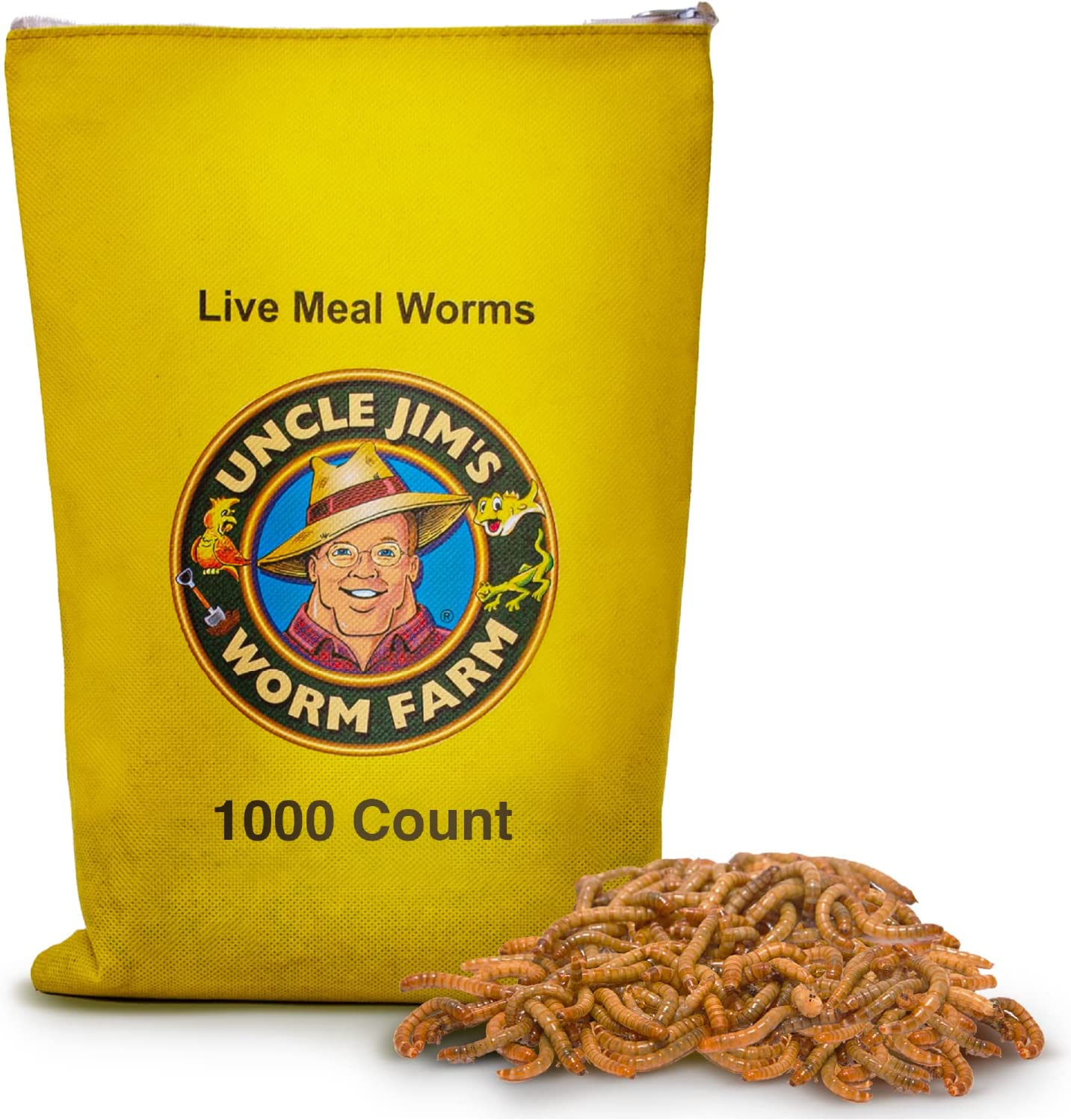
Live Mealworms for Sale – 1000 Count – FREE Shipping
$29.95 — or subscribe to save up to 15%
Add to cart
Conclusion
Mealworms are an excellent primary food source for salamanders. Specifically, they meet key nutritional needs and support natural hunting behavior. Moreover, they are convenient for owners to manage. By offering mealworms, you provide the protein and fat necessary for their vitality.
If you own a salamander, mealworms are a great dietary addition. Therefore, incorporating them leads to a healthier amphibian. Give mealworms a try and watch your salamander thrive!