

If you’re searching for red wigglers for sale, you’re already on the right track. Red wigglers are the most popular composting worm in the United States — they eat fast, reproduce quickly, and thrive in the compact indoor bins most people actually have space for. But not all red wigglers are the same. Source quality, shipping method, and starting quantity all determine whether your bin thrives or struggles from day one.
But not all red wigglers are the same. The source matters. The shipping method matters. The quantity you start with matters. And the condition the worms arrive in can make the difference between a thriving bin and a frustrating first experience.
This guide covers everything you need to know before you buy — so you start right, avoid the most common mistakes, and get the most out of your worms from day one.
Quick Summary
- Red wigglers (Eisenia fetida) are the gold standard composting worm for home bins
- They eat up to half their body weight in organic material daily
- A healthy starting population is 1–2 pounds for most households
- Source quality and shipping conditions directly affect colony success
- They work best indoors between 55°F–77°F
- They reproduce fast — a healthy colony doubles every 60–90 days
What Are Red Wigglers?
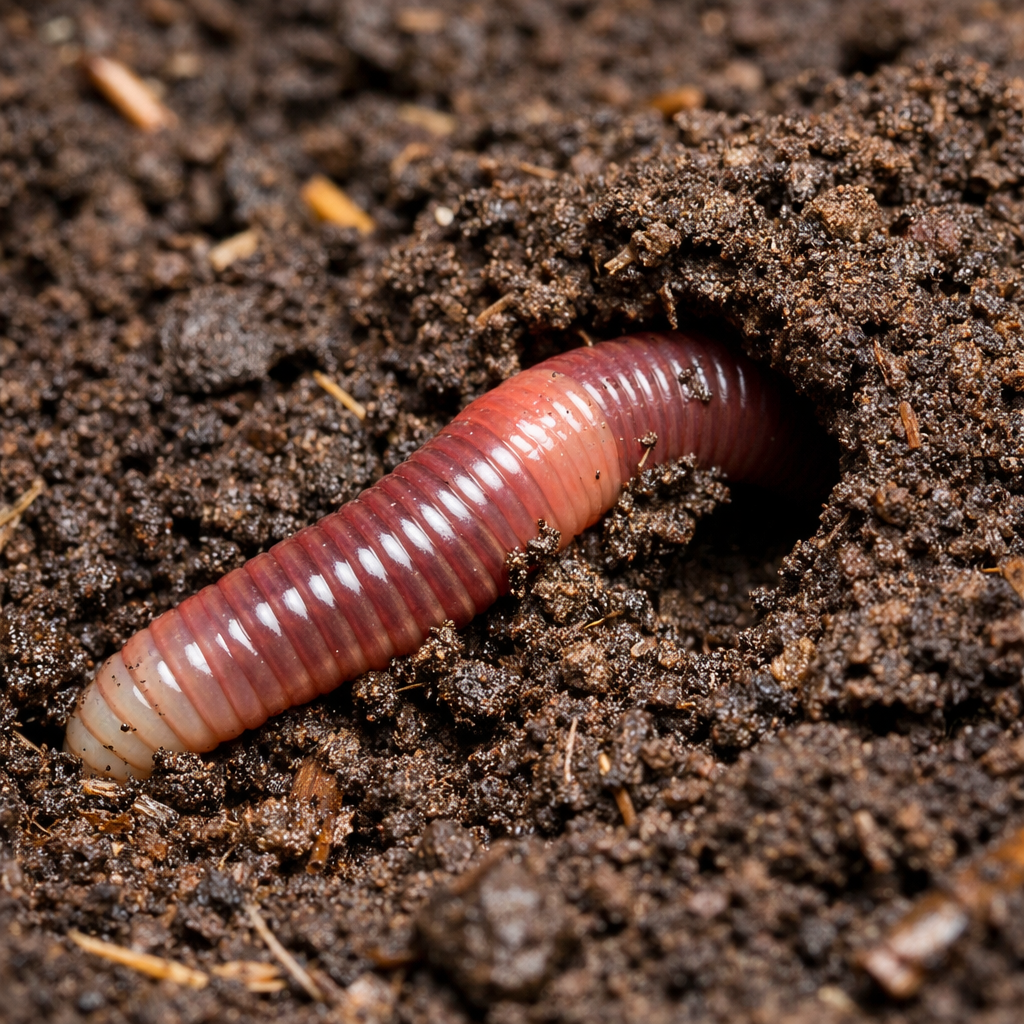
Red wigglers (Eisenia fetida) are a species of epigeic earthworm — meaning they live and feed in the top layer of organic matter rather than burrowing deep into mineral soil. This surface-dwelling behavior is exactly what makes them so effective in compost bins, where food scraps and bedding are concentrated in a shallow environment.
They go by several names: red worms, tiger worms, brandling worms, and manure worms. All refer to the same species — small, reddish-brown worms typically 2–3 inches long, with a distinctive banded pattern along their body.
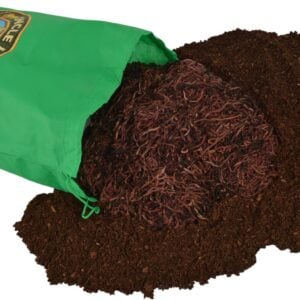
What sets them apart from common garden earthworms is their appetite and adaptability. Red wigglers can consume up to half their body weight in organic material every single day. A pound of red wigglers — roughly 800–1,000 individual worms — can process significant amounts of kitchen scraps weekly, converting waste into nutrient-rich worm castings your garden will benefit from directly.
Why Red Wigglers Are the Most Popular Composting Worm
There are several composting worm species available, but red wigglers consistently dominate for home use. Here’s why:
They thrive in confined spaces
Unlike deep-burrowing earthworms that need large volumes of soil, red wigglers are perfectly adapted to compact bin environments. A standard 10–20 gallon bin is enough to support a productive colony for a typical household.
They reproduce rapidly
Under good conditions, a red wiggler population can double every 60–90 days. Each worm produces cocoons containing 2–5 hatchlings. This means your initial investment grows into a self-sustaining system relatively quickly.
They tolerate a wide temperature range
Red wigglers function well between 55°F and 77°F, with tolerance outside that range. They recover better from temperature swings than many other composting worm species — an important factor for bins kept in garages, basements, or outdoor spaces that aren’t climate-controlled.
They produce high-quality castings
Worm castings from red wigglers are biologically active and nutrient-dense. Research from Penn State Extension confirms that worm castings improve soil structure, water retention, and microbial activity — benefits that synthetic fertilizers don’t replicate.
They’re beginner-friendly
Red wigglers are forgiving of minor mistakes in feeding, moisture, and temperature management — the exact issues beginners encounter most. They signal stress clearly before conditions become critical, giving you time to correct problems.
What to Look for When Shopping for Red Wigglers for Sale
This is where most buyers skip ahead too quickly. The purchase decision involves more than price per pound. Here’s what actually matters:
1. Farm-raised vs. wild-harvested
Farm-raised red wigglers are bred in controlled composting environments and are adapted to bin life from birth. Wild-harvested worms are pulled from outdoor environments and must adjust to a completely different habitat — a transition that causes stress, die-off, and slower establishment.
Always confirm your supplier raises their own worms. A farm with decades of experience in a controlled environment produces consistently healthier stock than a middleman reselling worms from unknown sources.
2. Shipping method and live arrival guarantee
Red wigglers are live animals. How they’re shipped — packaging material, transit time, temperature protection — directly affects what arrives at your door.
Look for suppliers who:
- Ship with moisture-appropriate bedding
- Use 2-day express shipping to minimize transit time
- Offer a live arrival guarantee with a clear reshipment policy
- Ship Monday through Wednesday to avoid weekend delays in transit
3. Quantity — how much do you actually need?
Buying too few worms means slow composting output and a fragile starting population. Buying too many means the bin gets overcrowded before it’s established. Use this as a general guide:
| Household size | Weekly food scraps | Recommended starting quantity |
|---|---|---|
| 1–2 people | 1–2 lbs | 1 lb (800–1,000 worms) |
| 3–4 people | 2–4 lbs | 2 lbs (1,600–2,000 worms) |
| 5+ people or garden focus | 4+ lbs | 5 lbs or more |
A general rule: start with one pound of worms for every pound of food scraps you produce per week.
4. Source transparency
A reputable supplier should be able to tell you where their worms are raised, how they’re packaged, and what their guarantee covers. Vague answers about sourcing are a red flag.
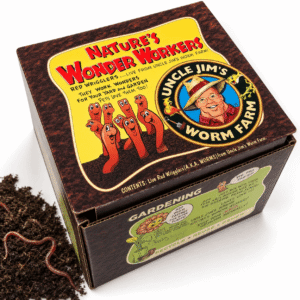
Uncle Jim’s Worm Farm has operated out of Spring Grove, Pennsylvania for over 50 years. Every order of red wigglers ships directly from our farm with a live arrival guarantee and FedEx 2-day express delivery. We have red wigglers for sale, check our website and start in 48hs.
How to Set Up Your Bin Before Your Red Wigglers Arrive
One of the most common mistakes new buyers make is ordering worms before their bin is ready. Worms that arrive to an unprepared environment experience unnecessary stress during an already demanding transition.
The bin
A plastic storage bin with drainage holes and ventilation works well for beginners. Size matters — 10 gallons minimum for 1 pound of worms, 20 gallons for 2 pounds. Avoid bins that are too deep; red wigglers work in the top 6–8 inches and won’t use excess depth efficiently. Browse our worm bins and starter kits if you want a system designed specifically for red wiggler colonies.
Bedding
Prepare bedding 24–48 hours before your worms arrive so it has time to reach room temperature and settle. Good options include moistened shredded newspaper or cardboard, coconut coir, aged compost, and a small amount of garden soil for grit.
First feeding
Don’t feed immediately after adding worms. Give them 3–5 days to acclimate. Start with a small amount of food and increase gradually over the first two weeks.
What Red Wigglers Eat — and What to Avoid
Feed freely:
- Vegetable and fruit scraps
- Coffee grounds and paper filters
- Tea bags
- Shredded newspaper, cardboard, and paper
- Crushed eggshells
- Grass clippings and garden trimmings in moderation
Avoid completely:
- Meat, fish, and poultry
- Dairy products
- Oily or greasy foods
- Citrus in large quantities
- Onions and garlic
- Salty or heavily processed foods
The U.S. Environmental Protection Agency provides composting guidelines that align with these recommendations for maintaining a healthy, odor-free system.
How Long Until You Get Worm Castings?
- Weeks 1–2: Worms acclimate, feeding begins slowly
- Weeks 3–6: Feeding increases, bin establishes active microbial environment
- Month 2–3: Population grows, castings begin accumulating visibly
- Month 3–5: First harvest of finished castings ready
Red Wigglers vs. European Nightcrawlers — Which Should You Buy?
Red wigglers are the better choice if your primary goal is fast, high-volume indoor composting from kitchen scraps. They reproduce faster, consume more per unit of space, and are slightly more forgiving in compact indoor environments.
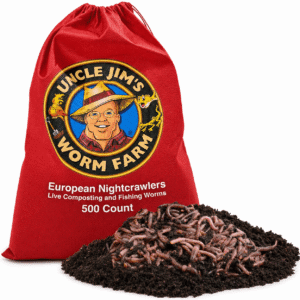
European Nightcrawlers are the better choice if you want a single worm species that also works as fishing bait, can be introduced directly into garden soil, and tolerates outdoor conditions better.
For a detailed side-by-side comparison, read our full guide: Red Wigglers vs. Nightcrawlers — What’s the Difference? And if you’re considering Europeans specifically, our article on Why European Nightcrawlers Are the Most Versatile Worm You Can Buy covers everything you need to know.
Common Problems After Buying Red Wigglers — and How to Fix Them
Worms escaping the bin
Normal during the first 48–72 hours. Keep a light on above the bin for the first few nights — red wigglers avoid light and will stay in the bin. If escaping continues past 3 days, check moisture levels and temperature.
Worms not eating
Usually caused by overfeeding, wrong food types, or incorrect moisture. Remove uneaten food before it rots, reduce portion size, and check that bedding moisture feels like a wrung-out sponge.
Bad smell from the bin
A healthy bin smells earthy. Foul odors indicate overfeeding, anaerobic pockets from excess moisture, or incorrect foods. Add dry bedding, reduce feeding, and turn the top layer gently to introduce airflow.
Slow population growth
Red wigglers need stable temperatures and consistent feeding to reproduce at full rate. Bins below 55°F or above 80°F will see significantly slower reproduction. Move the bin to a more temperature-stable location if growth seems stalled after 60 days.
Frequently Asked Questions
How many red wigglers do I need to start?
One pound (approximately 800–1,000 worms) is the standard starting point for a single household. Two pounds gives faster output and a more resilient starting population.
How long do red wigglers live?
In a well-maintained bin, red wigglers can live 2–5 years. The colony itself is self-sustaining — as adults die, new worms hatch continuously from cocoons.
Can red wigglers survive outdoors?
They can tolerate outdoor conditions in moderate climates but are not as hardy outdoors as European Nightcrawlers. In extreme heat or cold, outdoor bins need insulation or relocation indoors.
Do red wigglers smell?
A properly managed bin has a mild, earthy smell. Bad odors are always a sign of a correctable problem: overfeeding, wrong foods, or excess moisture.
Can I use red wigglers for fishing?
They can be used as bait but are less effective than larger worms like European Nightcrawlers. Their smaller size and defensive skin secretion makes them less appealing to many fish species compared to nightcrawlers.
When should I harvest worm castings?
When the majority of bedding has converted to dark, crumbly material — typically 3–5 months after setup. Push castings to one side, add fresh bedding to the other, and wait 2 weeks for worms to migrate before harvesting.
Why Source Quality Makes All the Difference
When you search for red wigglers for sale, the difference in worm health, packaging quality, and post-purchase support between suppliers is significant. Worms from poorly managed sources often arrive dehydrated, stressed, or mixed with dead worms — turning what should be a simple setup into a frustrating experience.
Whether you find red wigglers for sale locally or online, the checklist is the same: farm-raised stock, express shipping, and a live arrival guarantee.
Buying red wigglers for sale from a farm with decades of experience, controlled raising conditions, and a clear live arrival guarantee eliminates most of these risks before they start.
What’s Next?
- Shop Red Wigglers — farm-raised, live arrival guaranteed
- How to Start Vermicomposting — complete beginner setup guide
- Shop Worm Bins and Kits — systems for every scale
- Red Wigglers vs. Nightcrawlers — full comparison guide
- Why European Nightcrawlers Are the Most Versatile Worm — if you need a multi-purpose species
About the Author
This article was written by the team at Uncle Jim’s Worm Farm — America’s #1 supplier of composting worms. With over 50 years of experience in vermiculture, we’ve supplied millions of worms to gardeners, fishermen, and growers nationwide. When you’re looking for red wigglers for sale from a source you can trust, we’re here to help you every step of the way.