

Ever wondered if you could turn a handful of worms into thousands? Composting worms are nature’s silent recyclers. But if you’re hoping to build a self-sustaining worm bin, you might be wondering: how long does it take for compost worms to reproduce? The answer depends on a few key environmental factors—but under the right conditions, these little creatures can multiply fast.
⚡ Fast Fact: Red wigglers can double their population every 60 to 90 days when conditions are ideal.
Whether you’re an urban gardener, a homesteader, or simply eco-curious, understanding worm reproduction is crucial for optimizing your composting efforts.
Understanding the Worm Reproduction Cycle
Red wigglers (Eisenia fetida) are hermaphroditic, meaning each worm has both male and female reproductive organs. However, it still takes two worms to mate. Here’s what happens:
- Sexual Maturity: Worms reach reproductive age at around 4 to 6 weeks old.
- Mating & Cocoon Production: Once mature, a worm can produce 2 to 3 cocoons per week.
- Hatching: Each cocoon hatches 2 to 5 baby worms within 2 to 3 weeks.
Surprising Fact: Each cocoon can technically hold up to 20 worms, but most yield 3 to 5. That means 100 cocoons could become 300 new composting champions.
Related: Composting Worm Reproduction: How Worms Reproduce
A single worm can result in hundreds of offspring over several months. That means a small population can explode, as long as they’re happy. Happy? Yes! Happy. When we say worms are “happy,” we’re really talking about optimal conditions for survival and reproduction. A “happy worm” is simply one that’s not stressed by its environment. Here’s what that actually means in worm terms:
✅ Signs Your Worms Are “Happy”
-
Consistent Reproduction
-
If you’re seeing cocoons and baby worms, they’re thriving.
-
-
Staying in the Bin
-
Worms fleeing or clumping in corners usually means something’s wrong (too dry, too wet, too hot).
-
-
Rapid Food Breakdown
-
Happy worms eat actively and compost scraps quickly.
-
-
No Bad Odors
-
A healthy, “happy” bin smells earthy—not rotten. Funky smells = stressed worms.
-
-
Visible Movement in Top Layers
-
Worms should be active, especially after feeding.
-
Conditions That Make Worms “Happy” = Factors That Affect Reproduction Speed
-
Temperature: 55–77°F
-
Moisture: Like a wrung-out sponge. Keep bedding like a wrung-out sponge. Overly dry or soggy bins stress worms.
-
Food: Balanced diet of veggie scraps, coffee grounds, grains—no citrus or meat
-
Darkness: Worms hate light; cover the bin and avoid frequent exposure
-
Space: Enough bedding depth and surface area
- Bin Conditions: Darkness and calm are essential. Avoid constant disruption.
Pro Tip: Add crushed eggshells for calcium. It helps worms produce more cocoons.
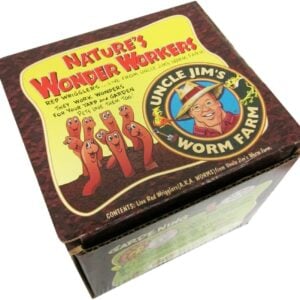
Want a ready-made environment optimized for reproduction? Check out our Red Wiggler Starter Kits.
How Fast Can a Worm Population Grow?
Let’s say you start with 500 red wigglers:
- Month 0: 500 worms
- Month 2: ~1,000 worms
- Month 4: ~2,000 worms
- Month 6: 3,500+ worms (with optimal conditions)
That’s exponential growth! But remember, space and food will eventually cap reproduction. That’s when you may need a larger bin or a second system.
⚡ Don’t want to wait months? Get a head start with a Breeding Colony Kit. This Worm Ranch Kit includes 2000 composting wrigglers, enough room for maximum breeding, and plenty of space to stuff your table scraps to make a miniature composter! This kit is the fastest way to get some serious production started from your worms, and the quickest way to witness the benefits from worms!
❌ Why Aren’t My Worms Breeding?
If your worms aren’t multiplying, it could be due to:
- Temperature extremes (below 50°F or above 85°F)
- Improper moisture
- Inadequate nutrition
- Overcrowding or underfeeding
- Wrong worm species (e.g., nightcrawlers don’t breed well in bins)
Coming soon: [Why Your Compost Worms Aren’t Breeding (And What to Do)]
Should You Breed Worms or Just Buy More?
Breeding worms is rewarding, but slow. If you’re in a rush to build a large-scale bin or start composting fast, it might make sense to supplement with a new batch.
- Breed: Low cost, hands-on
- Buy: Fast, simple
From Our Farm to Your Bin: Our worms are prepped to breed fast, handled with care, and guaranteed live. That’s the Uncle Jim difference.
☑️ Ready to Multiply Your Worms?
If you’re aiming for a booming worm bin, start strong. Our breeding kits are optimized for fast growth, and come with live delivery guarantees.
Shop Red Wigglers & Breeding Kits → Pick from our Worm Kits
Related Reading:
External Resources:
Got questions? Drop them in the comments below or share your worm growth story with us on Instagram @unclejimswormfarm!
5 thoughts on “How Long Does It Take for Compost Worms to Reproduce in a Bin?”
This article offers a comprehensive overview of the reproductive cycle of compost worms, emphasizing the importance of optimal conditions for their proliferation. It’s fascinating to learn that under ideal circumstances, red wigglers can double their population every 60 to 90 days.
At Teamonebiotech, we’ve observed that introducing specific compost microbes into worm bins can significantly enhance the composting process. These beneficial microbes work synergistically with compost worms, accelerating the breakdown of organic matter and creating a more hospitable environment for worm reproduction.
By fostering a rich microbial ecosystem, we not only expedite composting but also support the health and vitality of the worm population. Our tailored microbial solutions are designed to optimize these interactions, ensuring that both microbes and worms thrive together.
For those looking to maximize the efficiency of their composting systems, integrating specialized compost microbes can be a game-changer. Feel free to explore our range of products at Teamonebiotech to learn more about how we can support your composting journey.
I am wanting to raise worms for fishing. How hard are the night crawlers to reproduce. Are the wiggles really small. Are the night crawlers a lot larger?
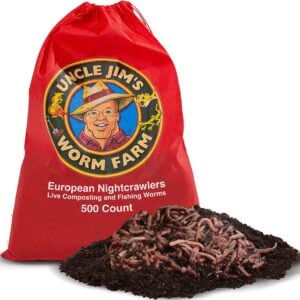
Hello Tom; If you are going to raise worms for fishing, we do recommend the European Nightcrawlers as they are a short (3-5 inches at full maturity), fat, red worm that is great for fishing and very active on the hook! They are not overly large, and they like to be at room temperature so you do not have to keep them in the refrigerator and the live a long time if fed and kept moist. You can actually raise fishing worms for the entire season! Feel free to contact our Customer Service Department with any other questions.
Uncle Jim’s Worm Farm
What can I do with the liquid that drains from my wormery?
I bought a small plastic tub of meal worms because I wanted to feed a baby bird. Most were already dead. I gave them pieces of potato and sprinkled water from my fingers. Now they are bigger and stronger. I need a recommendation for a container. I just might have the beginning of something good going on here.