

Top Selling Products
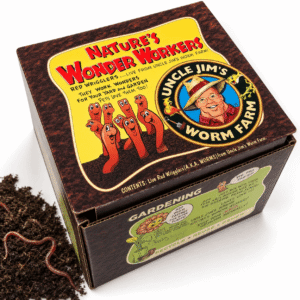
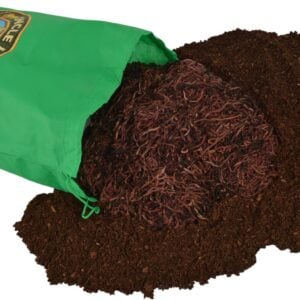
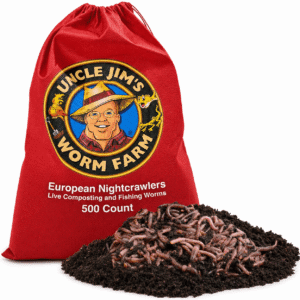
Live Worms
When the holiday season is underway, feasting is inevitable. So are left-overs! When the big day is over, what can you do with left-over holiday food? Start by making new meals using left-over ingredients. Eventually, some of the food may be too old or too small to keep anymore. That’s when you can feed left-over […]

While dumping coffee grounds into the trash, you might wonder, “Can I re-use coffee grounds?” Fancy coffee blends and pods are expensive. Is there a way to brew an additional cup or pot from used coffee grounds? Where should you put used coffee grounds? If you can’t re-use them, can someone or something else use […]

Ever noticed a band around some of your composting worms? This band shows that the worm is mature enough to reproduce. How do composting worms make babies? How long does it to make worm babies? And how can you encourage the worms to breed? The red worm, Eisenia fetida, is a champion composting worm. Nestled […]

Are sub-freezing temperatures on their way? Composting with worms does not have to stop in the winter! If you live in a cold climate, your composting worms can continue working when winter approaches. You need to make some decisions. Here are your choices: Do nothing. Insulate. Move the worms to a sheltered location. Move the […]

A rabbit hutch is a mess unless you can automatically dispose of the waste. Rabbit poop, urine, spilled food and water, and bedding need to be cleaned out of the hutch regularly. Did you know that a rabbit hutch wormfarm cleans itself? Waste falls through the floor of the bunny hutch, straight into a composter […]
Aerobic vs Anaerobic Composting: What’s the Difference?
Did you know that there are different types of composting? Aerobic composting and vermicomposting require ventilation. Anaerobic composting works without oxygen. How do you make compost? Which type is best for households, farms, businesses, institutions, and schools? How Composting Works Composting takes advantage of the natural process of decomposition. When leaves drop on the ground […]
How Do I Catch Worms for Fishing and Composting?
Earthworms make great fishing bait, and they also speed up composting. Maybe you are tired of using artificial lures or over-paying for small quantities at the bait shop. Or perhaps you’ve decided to start composting kitchen scraps. Adding European Night Crawlers or Red Worms to the composting bin will make the waste break down faster. […]
If you are thinking about composting with worms, you will need to weigh the pros and cons first. Some folks start composting to reduce trash and help save the environment. Others are motivated by the end product: nutrient-rich compost for gardens, indoor plants, and lawns. Parents and teachers engage youngsters with a vermicomposting project. Whatever […]
A composting worms project at school provides many opportunities to teach STEM (Science, Technology, Engineering, and Math) in the classroom. The school curriculum often covers the lifecycle of the earthworm. Students will retain more if they have hands-on experiences with the worms. A composting bin allows students to compost organic food waste generated at school. […]
Composting worms make food scraps break down quickly, but some foods can hurt them. Vermicomposting with worms is increasingly popular with people who want to reduce trash, produce free fertilizer, and save resources. Therefore, vermicomposting fans have a vested interest in keeping their Red Worms or European Night Crawlers healthy. Worms can break down a […]