


Bait fishing with worms is a time-tested, eco-friendly technique that can help you reel in a wide range of fish species. And it’s all about the details, especially if you hope to land the big ones. With so many types of fishing worms available, choosing the right fish bait is almost a science.
So, listen up, fellow anglers! If you’re serious about catching fish, you need to be serious about your bait, too. Choosing the best worms for fishing can make or break your day on the water. After all, fishing is fun, but catching those finned creatures is what it’s all about, right?
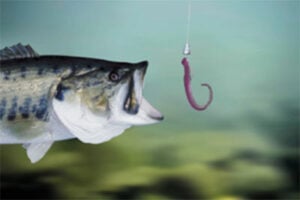
No single worm is a catch-all for every fishing scenario. Still, a few are staples among bass, catfish, panfish and trout anglers. Here’s a breakdown of what worm bait works best for different types of fish, plus tips to get the best results. Because let’s face it, there’s nothing like the feeling of reeling in that perfect catch!
The Cream of the Crop of Fish Bait: Best Types of Worms for Fishing
If you want to catch fish that’ll make your buddies jealous, you’ve come to the right place. Today, we’re talking about the cream of the crop of fish baits: worms, the holy grail of bait fishing. They’ve been around for centuries and have reeled in more fish than you can shake a rod at. And there’s a whole world of wormy options out there waiting to be explored!
Maybe you’ve been reeling them in since before you could walk. Maybe you’re just dipping your toe into the angling waters. Either way, we’ve got the inside scoop for everyone, from weekend anglers to tournament fishermen. Heck, even if you’re fishing for your dinner, we’ve got you covered.
So grab your bait bucket and get ready to meet the slimiest, squirmiest and most effective fishing worms around.
Nightcrawlers Reel In the Big Ones
Nightcrawlers are the staple worm of the fishing community, and for good reason. They’re big, so they’re easy to secure on a hook. Leave a little worm dangling off the end, and you’re sure to draw all sorts of underwater attention.
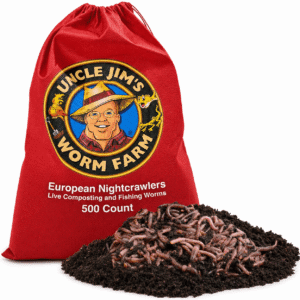
Many types of nightcrawler worms make excellent fishing worms, including Canadian and European Nightcrawlers. They’re big, appealing and wiggle like crazy. That makes them a favorite of most anglers and a huge range of fish species. European Nightcrawlers have a bonus, too: they double as great composting worms between fishing trips.
Fish you’re most likely to reel in with these super-active wigglers include:
- Bass: Largemouth and smallmouth bass rarely pass up a wiggling nightcrawler.
- Walleye: Earthworms and nightcrawlers are also a favorite meal for walleye.
- Catfish: Catfish roam the bottom looking for an easy meal. They’re sure to chomp at your nightcrawler before long.
- Trout: Nightcrawlers work well for trout, too. Many anglers cut them in half to better fit the trout’s smaller mouth.
Mealworms & Red Worms: Trout & Small Fish Favorites
When it comes to fishing worms, bigger doesn’t always mean better. Nightcrawlers may rule the fishing scene, but don’t discount other worm varieties. If you want a surefire way to catch smaller fish, these little wigglers are your secret weapon.
Trout can be unpredictable, and they scare easily. Smaller baits like mealworms and red worms present a smaller meal, so they’re more likely to get a trout’s attention. Mealworms also work especially well for ice fishing for trout or perch.
Red wigglers are great bait for smaller fish like bluegill, crappie, sunfish and perch. These fish have small mouths and can’t eat big nightcrawlers consistently. Red wigglers are also tough cookies when it comes to temperature. In the right conditions, they’ll stay alive and kicking longer, and trust us, you want them kicking.
Wax Worms: The Secret Weapon for Ice Fishing
Ice anglers, want to up your game during the chilly months? Look no further than the humble waxworm. These small, soft larvae pack a punch when it comes to attracting fish. Their soft texture and sweet scent make them irresistible to panfish, trout and crappie. Chub, carp and even catfish go for them, too.
Waxworms aren’t technically worms. They’re moth larvae. Their high fat content makes them a tasty treat (according to the fish, anyway), and they’ve proven to be reliable bait in colder seasons.
And let’s be honest: nothing warms you up quite like reeling in a big one, or several, thanks to waxworms.
Tips & Tricks for Using Worms for Fishing
Here’s one last, but definitely not least, tip from Uncle Jim: fishing worms must be fresh and well cared for. Their wiggly movement on the bottom of the lake or river is what lures fish in the first place.
So always go fishing with live worms! Opening a can of dead, dried-out worms at your favorite spot is about as useful as a hook with no bait. If you want trophy-worthy fish, keep your worms alive and lively:
- Store your worms in a cool, dark place.
- Keep them moist with a damp paper towel or moss in their container. Don’t add standing water, since it can drown them.
- Avoid direct sunlight and extreme temperatures. Worms are sensitive to heat and light and can die quickly when exposed.
- Don’t overcrowd the container. Crowding stresses worms and can kill them.
- Handle your worms gently, even when baiting your hook. Choose a hook size that fits the worm, so it stays alive and wiggling longer.
Choose the Best Worms for Fishing to Reel In Your Best Catch Yet
Whether you’re a seasoned angler or just starting out, these tips will help you step up your fishing game. So grab your rod and reel, stock up on quality worm bait and get ready to hook your dream catch!
Experiment with different fishing worms to find out what works best for you. Wondering where to buy worms for fishing? At Uncle Jim’s Worm Farm, we have a wide variety of fishing worms and supplies that are sure to lure in even the wariest fish.
Whether you’re after bass, trout or anything in between, our live, top-quality worms will help you reel ’em in like a pro. Fish just can’t resist the tempting squirm of a juicy worm on your hook.
Got Any More Questions?
We’ve got you covered.
How do you put a worm on a hook?
Gently thread the hook through the worm’s head and slide it down the shank. Leave a piece of the worm hanging off the hook so it keeps its natural, wiggly look in the water. If you’re using small worms, hook several to hide the hook. Then give it a little tug to make sure it’s secure, and voilà! You’ve got a bait that’ll make fish go wild.
Do worms work better than lures?
It depends on the species you’re targeting and your fishing conditions. Worms are your go-to natural bait if you want to attract a wide range of fish and boost your chances of a catch. After all, nothing beats the squirming motion of live prey.
That said, lures have their time and place, too. Break them out for aggressive fish, or in areas that only allow flies and artificial lures.
Are red worms or nightcrawlers better for fishing?
It depends on what and where you’re fishing. Red worms are smaller, so they’re great for trout and panfish. Nightcrawlers are bigger and better for larger species like bass and catfish. In the end, the choice is yours.
How do you catch worms?
Grab a shovel, head to a damp, grassy area and start digging. Look for spots with lots of organic matter, like compost or leaf litter, since they attract more worms. You can also set up a worm trap. Poke holes in the lid of a plastic container and bait it with vegetable scraps or manure. Leave it in a moist area overnight, and by morning you should have plenty of wriggling worms ready to use as bait.
Of course, catching worms isn’t everyone’s cup of tea. If you’d rather not get your hands dirty, simply order them from Uncle Jim’s Worm Farm. Why bother digging when you can have them delivered right to your doorstep?


19 thoughts on “Best Worms for Fishing: 4 Types & What They Catch”
Can I take worms from my composter and use them for fishing or is that a bad idea for the reproduction within the composter?
Emily,
if you do not take too many, or you have a pretty healthy population of composting worms they will be fine and you will not hurt the population in any significant way, especially if they are Red Wigglers because they reproduce so fast.
Kyle and Jen
midwestworms.com
i fish
Nightcrawlers work good for carp and croppie too
I breed mealworms and I was wondering if I could use them when I go fishing to save money on going out and buying night crawlers
Is green night crawlers the best to use for catching cat fish?
I like to get 2 pound of African night crawlers to start a bed.
Good day everyone I am currently living in Jeffreys bay. What are the best ways to get into breeding successful earth worms. For selling purposes and in the long run wanting to sell my earth worms to fishing shops and farms hopefully
I didn’t realize that night crawlers could be used to catch such a wide range of fish. My husband is wanting to catch some walleye, but hasn’t been successful with it yet. I will have to mention using night crawlers to him, and see what he thinks.
night crawlers on a bottom bouncer rig are the best lure for walleye
I bought a bunch of red wigglers for my dad. He loves to fish! He says the worms are too small to get on the hook! Hes had them in a worm bed for a couple of months now.
Will the worms get big enough eventually for him to fish with?
Hello Brenda;
Thank you for your comment. Which worms did your Dad order? The Red Composting worms or the European Night Crawlers? The Composting worms are small, 1-3 inches and the thickness of a spaghetti noodle at full maturity and most do not like them for fishing, though the are great for pan fishing once they reach full maturity. The European Night Crawlers are what we recommend for fishing. If he did not receive the worms that he ordered, please let us know.
Uncle Jim’s Worm Farm
Can you continue to grow worms in the same bin while maintaining it and refreshing it? Also, why do you have The European Night Crawlers on Amazon in various weights and quantities that aren’t shown here. I would rather buy here to save you the Amazon fees and possibly get a better price.
Thank you
Hello Richard!
Can you please clarify your first question as I am not sure I understand. You can have the worms in a bin and you can add to that bin without harming the worms, if that is what you mean? As far as the European Night Crawlers being sold by the pound on Amazon and not on our site. We try to keep the site listings consistent and we have always sold by the count on our site. Amazon, came later and we decided to add something new out there when that came along and it stuck. If we sold the Euro’s on our site by the pound, we would have to change everything to pounds and that would be a lot of work, why fix what isn’t broken. Just so you know, there is about 500 – 650 Euro’s per pound depending on their size when we pack them. That may be helpful when going on out site.
Thank you and have a great day.
Uncle Jim’s Worm Farm
Great article! I’m excited to try out the recommendations from Uncle Jim’s Worm Farm. I’ve always had success with red wigglers, but I’m curious to see how the nightcrawlers perform in my local fishing spots. Thanks for the tips!
Great insights on the best worms for fishing! I never realized how much of a difference the type of worm could make in attracting fish. Can’t wait to try out some of Uncle Jim’s recommendations on my next fishing trip! Thanks for sharing!
Great tips on choosing the right worms for fishing! I’ve had a lot of success with red wigglers at my local pond. Can’t wait to try out some of the other suggestions you mentioned, especially those nightcrawlers. Thanks for sharing!
I was watching Outdoors Oklahoma and they mentioned that Georgia Brown Worms attract more fish. Does any know where a person can purchase some?