


Whether you’re a beginner or a seasoned worm farmer, the winter months — especially around the holidays — require a little extra care for your composting worms. This simple checklist ensures your worm bin is healthy, warm, and productive through December and into the New Year. Let’s wrap up the year right!
1. Check for Cold Spots in Your Worm Bin
Even indoors, winter drafts and cold surfaces can chill your worm bin. Composting worms thrive best between 55°F and 77°F.
- ✅ Place your bin in a temperature-stable location — avoid garages or cold basements unless insulated.
- ✅ Use a bin thermometer to monitor conditions.
- ✅ Elevate bins off cold floors using wooden pallets or insulation pads.
Read: How to Keep Worms Warm in the Winter »
2. Don’t Overfeed — Holiday Scraps Can Backfire
Between baking cookies and big meals, it’s easy to overwhelm your worm bin with scraps.
- ⚠️ Avoid dumping sugary, citrusy, or oily foods.
- ✅ Chop or blend small portions of veggie scraps.
- ✅ Always cover fresh food with bedding to prevent fruit flies.
Guide: What to Feed Your Composting Worms »
3. Replenish Bedding Before the New Year
Holiday downtime is a perfect opportunity to check and refresh bedding.
- ✅ Add shredded newspaper, coconut coir, or Uncle Jim’s bedding mixes.
- ✅ Bedding should feel like a wrung-out sponge.
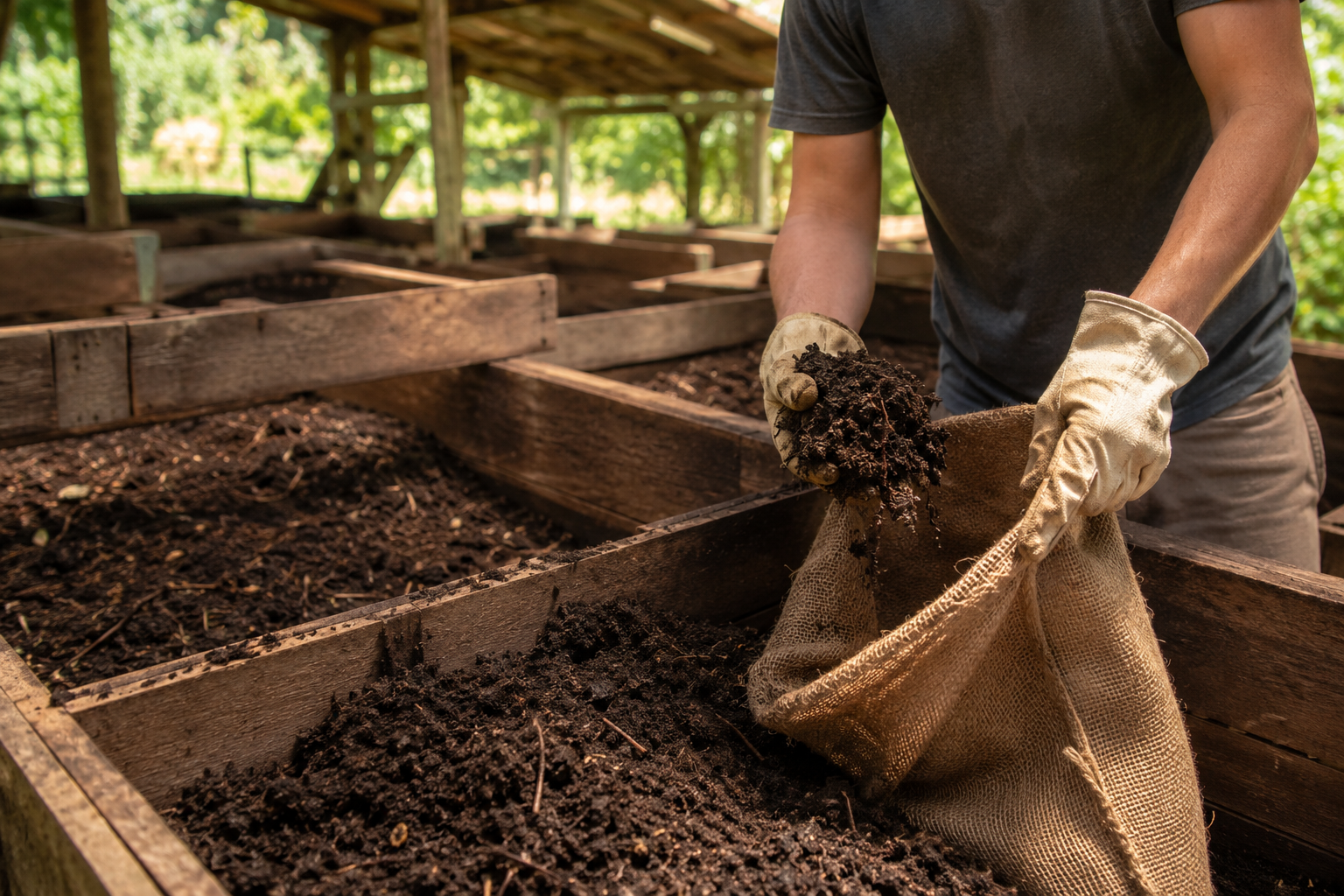
4. Harvest Castings Now — Before You Get Busy
If it has been 2–3 months, your bin is likely ready to harvest.
- ✅ Use the light method or vertical separation.
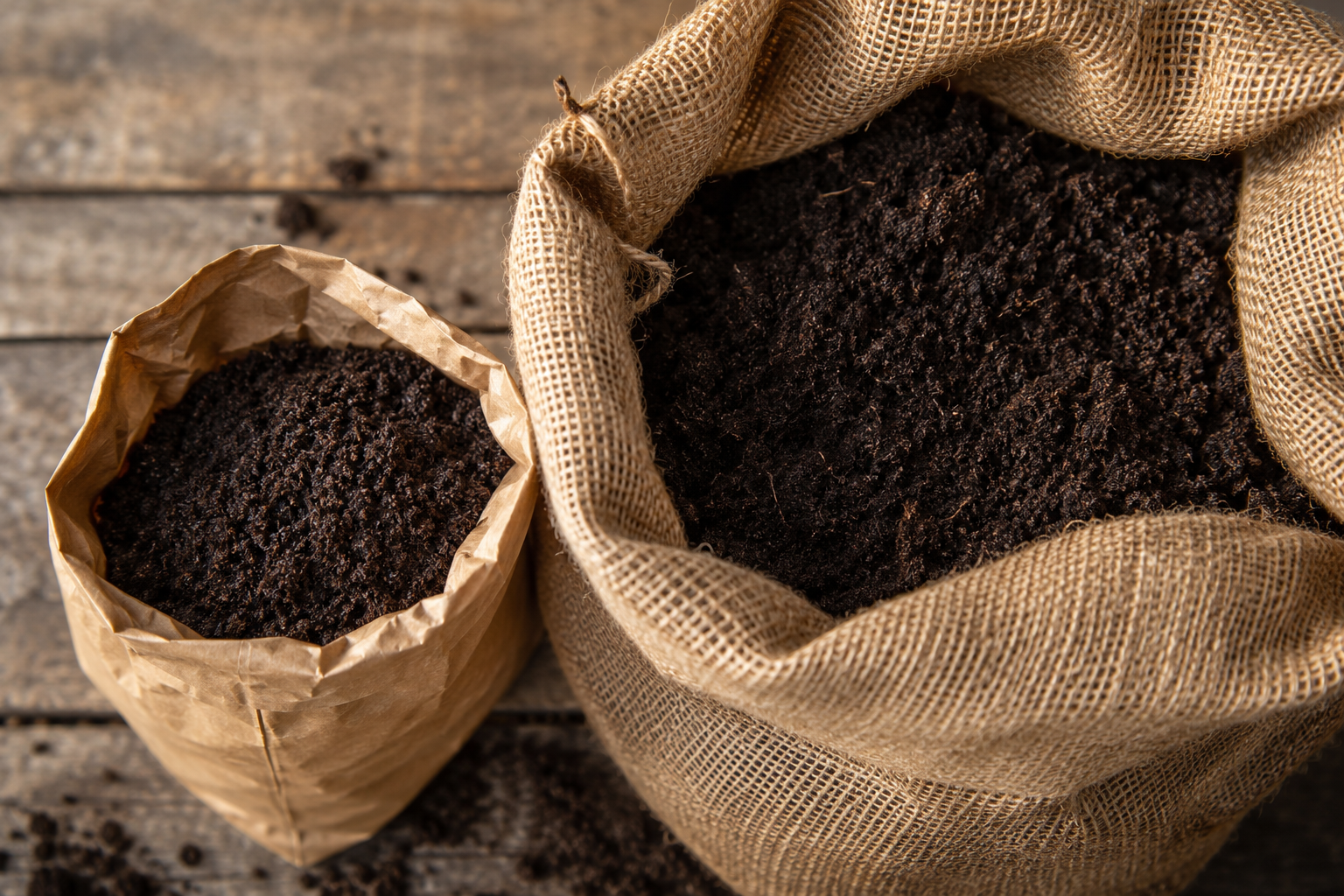
- ✅ Store castings in breathable bags for garden use or gifting.
How to Harvest Worm Castings »
5. Check Moisture Levels (Holiday Heating Can Dry Bins)
Indoor heating systems often dry out bins unnoticed.
- ✅ If bedding is dry, lightly mist with water.
- ✅ Add moist bedding if needed—avoid soggy conditions.
Moisture Troubleshooting Guide »
6. Add a Holiday Treat (Yes, Really)
Give your worms a treat before the year ends!
- ✅ Banana peel, pumpkin skin, or coffee grounds are safe.
- ✅ Avoid garlic, onions, meats, or dairy.
🎥 Film a bin check and share it in your composting community!
7. Prepare for Holiday Shipping Delays (If Ordering Worms)
Ordering worms or supplies? Be aware of seasonal slowdowns.
- ✅ Order early to avoid USPS or FedEx delays.
- ✅ Order live worms early to avoid holiday shipping delays here.
8. Clean Bin Lids & Drain Trays
A quick wipe-down reduces pest issues and keeps systems clean.
- ✅ Use vinegar + water or mild soap (rinse thoroughly).
- ✅ Clean drain trays and check for clogs.
9. Reflect & Reset Your Worm Farming Goals
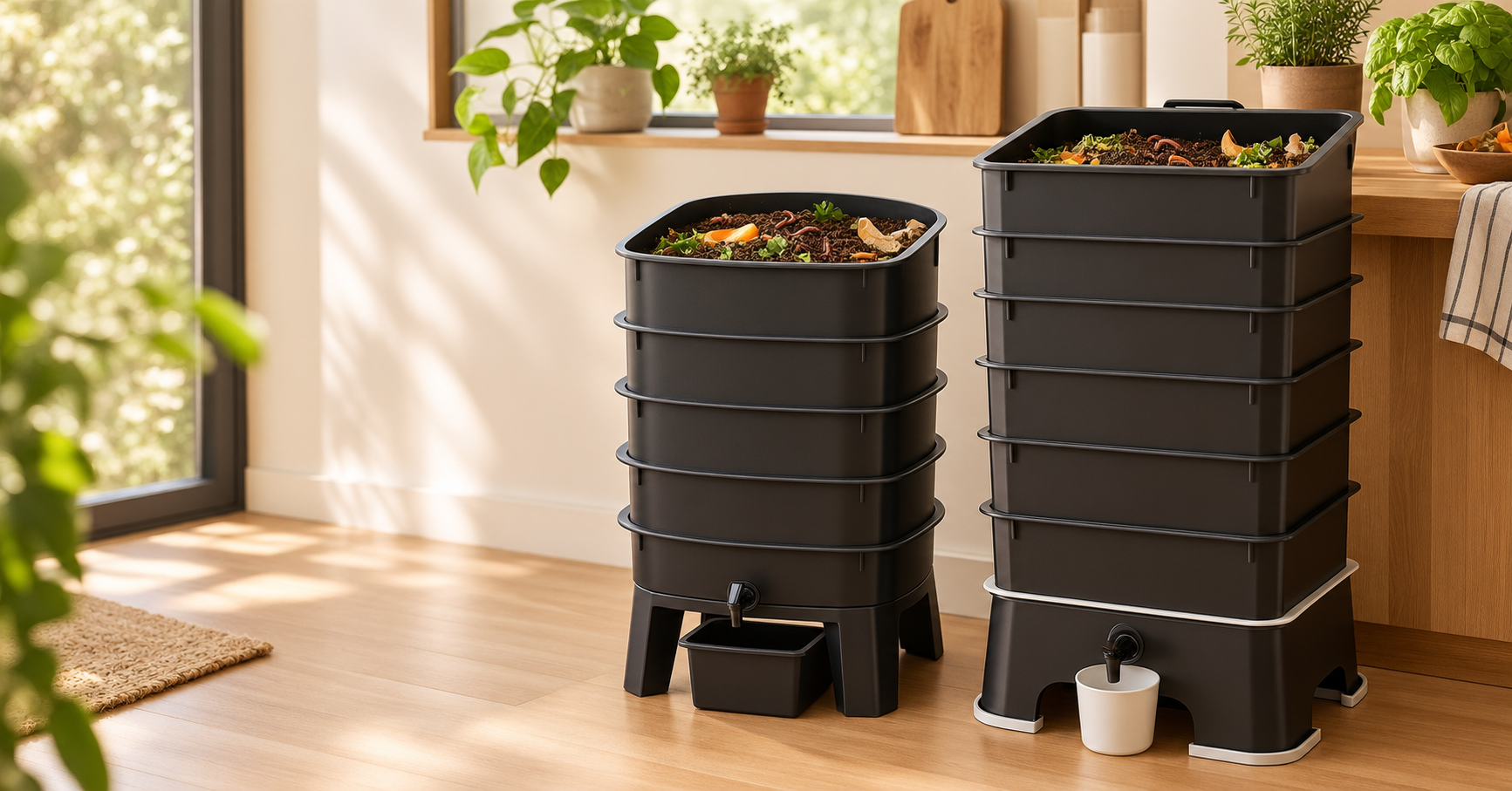
- ✅ Want a second bin or stacked tray system?
- ✅ Planning to expand your castings output?
Get started with our Beginner’s Guide to Worm Composting »
🔁 Final Holiday Worm Care Checklist
| ✅ Task | Notes |
|---|---|
| Check temperature | Keep above 55°F |
| Feed small amounts | No citrus, sweets, or meats |
| Refresh bedding | Shredded newspaper or coir |
| Harvest castings | Use separation methods |
| Mist if dry | Moist like a sponge |
| Add holiday treat | Banana peel or pumpkin skin |
| Clean bin surfaces | Check lids and drain trays |
| Order early | Add heat packs & insulation |
| Plan for next year | Goals, upgrades, second bin |
🎄 Want to level up your composting setup before 2026?
This time of year, when things slow down and the garden sleeps, it’s the perfect moment to think about where your composting journey is headed. Maybe you started with a small bin under the sink — or maybe you’ve been at this for years. Either way, winter gives us a chance to reset and prepare for what’s next.
Indoor composting is a great way to keep things moving through the colder months. Many folks use this time to upgrade to a roomier worm bin, start a second one, or experiment with different bedding and feeding routines. Even a simple switch to a stackable system can make things cleaner and more efficient.
It’s also a great time to take stock of your supplies. Do you have enough bedding on hand? Are your worms producing castings you can store for spring? Some composters even bag up their castings now to cure and use later in seed starting mixes or raised beds when the ground thaws.
And if you’re looking for a thoughtful gift or a last-minute surprise for a gardener in your life, composting gear is more appreciated than you might think. A bag of worm castings or a promise to build them a bin in January goes a long way toward a greener new year.
No pressure — just inspiration. Worm composting isn’t just about scraps. It’s about slowing down, connecting with nature, and building soil… even when there’s snow on the ground.
📚 Frequently Asked Questions
How cold is too cold for worms in winter?
Worms slow down below 50°F and may die below 40°F. Keep indoor bins between 55–77°F using room heat or insulation.
Can I feed my worms holiday food scraps?
Avoid sweets, citrus, fats, and dairy. Feed small portions of veggie scraps and cover with bedding.
Should I stop feeding if I’m away during the holidays?
No. Add bedding and a small amount of food before leaving. Bins can go 1–2 weeks unattended with proper prep.
👨🌾 About the Author
Uncle Jim is the founder of Uncle Jim’s Worm Farm, the #1 supplier of composting worms in the U.S. With over 40 years of hands-on vermicomposting experience, he’s helped thousands of homes, schools, and farms go green with red wigglers.
📰 Data Source & Media Kit
This post may be cited in seasonal composting coverage. For quotes, interviews, articles, please reach out in our contact page »
External Reference: Penn State Extension – Vermicomposting
External Reference: EPA – Composting at Home
13 thoughts on “🐛🎄 Holiday Worm Care Checklist: What Every Composter Should Do Before Year’s End”
What is casting?
Hi Rick!
Great question , castings (also called worm castings or vermicast) are the nutrient-rich waste that worms leave behind after digesting organic material. Think of them as nature’s best fertilizer!
Worm castings are packed with beneficial microbes, enzymes, and plant-available nutrients that help improve soil structure and boost plant growth. You can harvest them from your worm bin and use them in your garden, houseplants, or seed starting mixes.
If you’re just getting started, check out our guide:
https://unclejimswormfarm.com/worm-castings-guide
Happy composting!
Uncle Jim’s Team
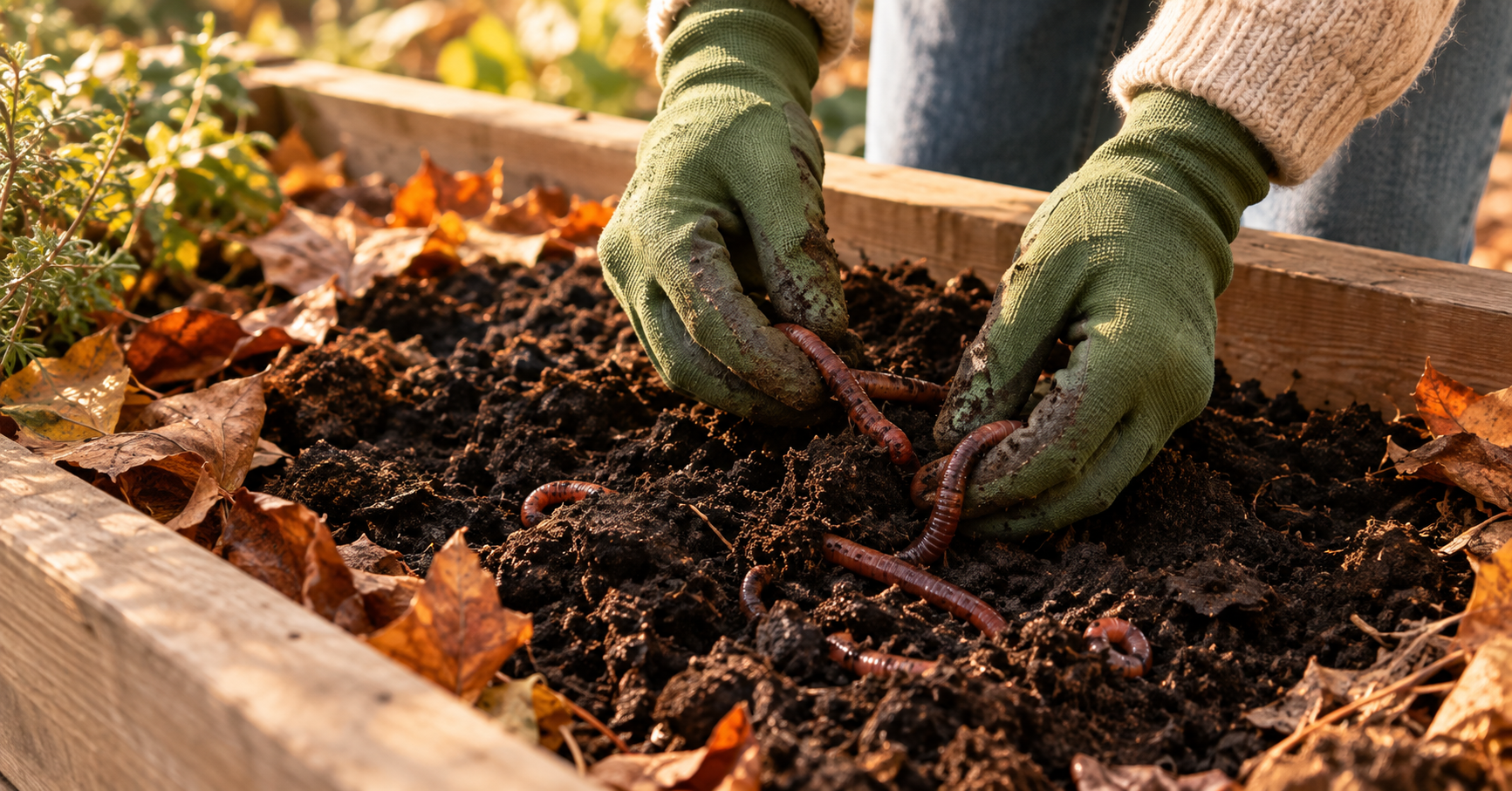
I planned to put my worms directly in the soil where I’ve been composting. I dig a trench, add compost, then cover with soil. I live in north central Florida .I am no set up to contain the worms.if I open the soil and place them directly in the soil, do I have a good chance of the worms surviving? I do not have a website
Hi Linda! Thanks so much for sharing your setup. It sounds like you’re doing a great job using the trench composting method, especially in Florida’s warm climate!
Yes, placing worms directly in the soil can work well in North Central Florida, but here are a few important tips to help them survive and thrive:
✅ Timing matters: Florida winters are usually mild, but if temperatures drop below 50°F, red wigglers can become sluggish or migrate. If a cold snap is coming, consider covering the trench with extra mulch or straw for insulation.
✅ Moisture + organic matter: Make sure the compost trench stays moist (like a wrung-out sponge) and continues to have fresh food scraps and carbon (like shredded leaves or paper). Worms need food and moisture to stay put.
✅ Shading: In warmer months, you may want to shield the area from direct sun. Red wigglers prefer temps between 55–77°F.
✅ Predator protection: Since there’s no lid or bin, be mindful of pests like ants, birds, or moles. Adding a fine mesh or cover can help.
While contained bins offer more control, your in-ground method is a great natural alternative, especially in Florida’s forgiving climate!
If you’re ever interested in a low-maintenance contained system, we offer several options to get started, you can search for all of them here:
https://unclejimswormfarm.com/?s=composting+bin
Wishing you and your worms a healthy, happy garden!
Uncle Jim’s Team
I really enjoyed your detailed holiday worm care checklist! It’s fascinating how such small creatures can have such a huge impact on our composting efforts. One addition could be a note on the benefits of winterizing not just the worms but also the surrounding garden space; preparing everything for spring growth is key as well! Plus, with more people focusing on sustainability, it might be worth sharing some resources or links (like Snow Rider 3D) to local composting workshops or online communities. Your content is encouraging for those of us trying to make eco-friendly choices; thanks for sharing!
seedance-2.us has a great guide on prepping worm bins before winter — making sure the bedding stays damp but not soggy really makes a difference when temperatures drop, and checking for odor issues is something I wish I’d done earlier in the season.
The advice about holiday food scrapts is especilly useful. It can ben temptiung to add every leftover from a big meal, but feeling worms smaller portions and avoiding certain food.
Wow, this checklist is fantastic! As a seasoned worm composter, I think integrating seasonal adjustments for temperature control could also be beneficial. Just keeping the little guys cozy can make all the difference! Happy composting! slope run
Indoor composting is a great way to keep things moving through the colder months. Many folks use this time to upgrade to a roomier worm bin, start a second one, or experiment with different bedding and feeding routines. Even a simple switch to a stackable system can make things cleaner and more efficient.
I love this checklist! Taking care of my worms really helps me slow down and appreciate the year-end hustle. It’s such a small thing but makes a big impact! Also, I got super into composting after finding speed stars—funny how these little things can connect us to bigger life lessons!
Wow, this holiday worm care checklist is an absolute gem! I’ve learned so much about prepping my composting buddies for the winter. Your tips are super practical and genuinely appreciated!
The reminder that indoor heating can dry the bedding is a useful detail, especially alongside the warning about cold floors. A short care log with the last feeding date and a moisture check could make the holiday checklist easier to hand over to someone looking after the bin. Would you recommend checking the bedding again a day or two before leaving, rather than adding extra food at the last minute?
The reminder to store harvested castings in breathable bags is especially useful for gardeners planning spring beds. I also appreciate the practical distinction between lightly misting dry bedding and making the bin soggy. Putting the storage and moisture checks on the same year-end list makes it easier to prepare the compost before the next growing season.