

Top Selling Products
Compost

New Year, New Bin: A Complete Beginner’s Guide to Starting Worm Composting
Ready to turn kitchen scraps into garden gold? This guide skips the fluff and gives you the exact steps to start a worm bin in 2026. Backed by university research and EPA guidelines, here is how to set up a mess-free, odor-free vermicomposting system. What Exactly Is Vermicomposting? At its simplest, vermicomposting is using […]

Top 10 Worm Composting Gifts for Gardeners in 2025 🎁
Worm composting gift ideas that are practical, eco-friendly, and fun to unwrap! Quick Summary: Looking for a last-minute gift that’s sustainable, educational, and actually useful? Whether you’re shopping for a gardener, an aspiring composter, or an eco-curious friend, these worm composting gift ideas are sure to make them (and their soil) happy. Worm composting gift […]

🐛🎄 Holiday Worm Care Checklist: What Every Composter Should Do Before Year’s End
Quick Summary: Whether you’re a beginner or a seasoned worm farmer, the winter months — especially around the holidays — require a little extra care for your composting worms. This simple checklist ensures your worm bin is healthy, warm, and productive through December and into the New Year. Let’s wrap up the year right! […]

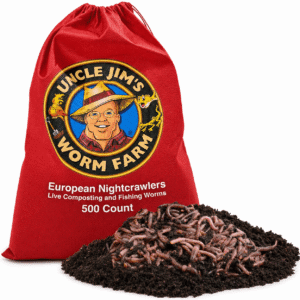
Quick Summary: If you’re looking for the most versatile, hardy, and high-performance composting worms, Uncle Jim’s 500 Super Red European Night Crawlers should be at the top of your list. In this post, we’ll break down why these worms are a smart buy before winter hits, what makes them so effective, and how they deliver […]

Quick Summary: Cold weather can catch worm composters off guard. As temperatures dip in late November, worm bins need protection, especially if they’re outdoors or in unheated spaces. In this article, you’ll learn five essential steps to winterize your worm bin, prevent die-offs, and keep your composting system thriving until spring. As the last of […]

Quick Summary: This Thanksgiving, instead of throwing away your food scraps, you can feed them to your worm bin — and turn waste into garden‑gold. This article walks you through which leftovers your worms can eat, how to prep them so you won’t attract flies or odours, and how to integrate your holiday leftovers into […]

Quick Summary (TL;DR): As nights cool, aim to keep bedding between 55–77°F, refresh carbon-rich bedding (dry leaves + cardboard + coco coir), feed smaller, chopped portions, and either insulate outdoor bins or move indoors. Add a breathable worm blanket, monitor moisture so it feels like a wrung-out sponge, and check your bin weekly. Why Fall […]
Fall Prepping: How to Transition Your Worm Bin from Summer to Cool Weather
Quick Summary: As the weather cools, your worm bin needs more than just a cozy spot — it needs a strategic transition plan. This fall prep guide covers how to adjust bedding, feeding, insulation, and moisture control to keep your worms happy and composting as the seasons change. Why Fall is a Critical Time for […]
Make Your Composting Worms Reproduce Fast (Summer 2025 Guide): 12 Proven Tips + Troubleshooting
Summer is winding down, but there’s still time to turn a steady bin into a thriving nursery. Use these practical steps to help Red Wigglers reproduce quickly and keep your castings flowing. Quick Summary (TL;DR) Best range for Red Wigglers: 55–77°F bedding; avoid sustained heat above the mid-80s. Moisture: Wrung-out sponge feel (~60–80%). Keep bedding […]
Worm Bin Pest Control: How to Get Rid of Fruit Flies, Ants & Mites
Worm Bin Pest Control: How to Get Rid of Fruit Flies, Ants & Mites Is your worm bin suddenly swarming with fruit flies or tiny crawling bugs? You’re not alone. Even the most well-maintained compost bins can face the occasional pest problem, especially during the warm, humid months of summer. But don’t worry, with a […]