

Quick Summary: This Thanksgiving, instead of throwing away your food scraps, you can feed them to your worm bin — and turn waste into garden‑gold. This article walks you through which leftovers your worms can eat, how to prep them so you won’t attract flies or odours, and how to integrate your holiday leftovers into your bin for maximum benefit.
Why This Matters Right After Thanksgiving
Thanksgiving often leaves a mountain of vegetable peels, pumpkin guts, coffee grounds, tea bags and more. Rather than sending those into the landfill, you can use them to feed your compost worms and build rich castings for your spring garden. Not only does that reduce waste, but it also gives you a boost for next year’s planting season. Plus, many home‑composters look for seasonal, timely tips right now.
What Worms Can Eat (and What They Should Avoid)
✔ Worm‑Friendly Leftovers
- Vegetable and fruit scraps (e.g., pumpkin or squash rinds, carrot tops, potato skins) — perfect after the holiday dinner.
- Banana peels, melon rinds, coffee grounds, tea bags (remove staples) — many worms love these.
- Rinsed eggshells — give calcium and help buffer the bin’s pH.
✖ What to Avoid (or Use Very Carefully)
- Meat, turkey bones, fish scraps — these attract pests and decompose too slowly in a worm bin unless very well managed.
- Dairy products, heavy oils/fats — these coat the bedding, create odours and trouble for the worms.
- Citrus peels, onions, garlic in large amounts — high acidity or strong smells can stress the worms. According to a city‑guide to worm composting, citrus and onions should be limited. :contentReference[oaicite:0]{index=0}
How to Feed Your Thanksgiving Scraps Safely (so no flies, no smell)
1. Sort and prep the scraps
After the holiday, gather your veggie & fruit leftovers: pumpkin guts, squash rind, plain potato/pasta leftovers (no heavy sauces), coffee grounds, tea bags. Avoid piling all food straight into the bin without sorting.
2. Chop, freeze or break down if needed
Smaller pieces decompose faster and reduce pest habitat. Freezing the scraps first can also kill any fruit‑fly eggs. The team at Oregon State University Extension says breaking up food and burying it helps keep the bin healthy. :contentReference[oaicite:2]{index=2}
3. Bury the food under bedding
Use at least 2‑3 inches of bedding (shredded cardboard, newspaper, dry leaves) and place the scraps underneath. This hides the smell, discourages flies, and encourages worms to do the work. A post on indoor worm feeding explains that burying scraps is a key step. :contentReference[oaicite:3]{index=3}
4. Balance moisture with “browns” (carbon‑rich material)
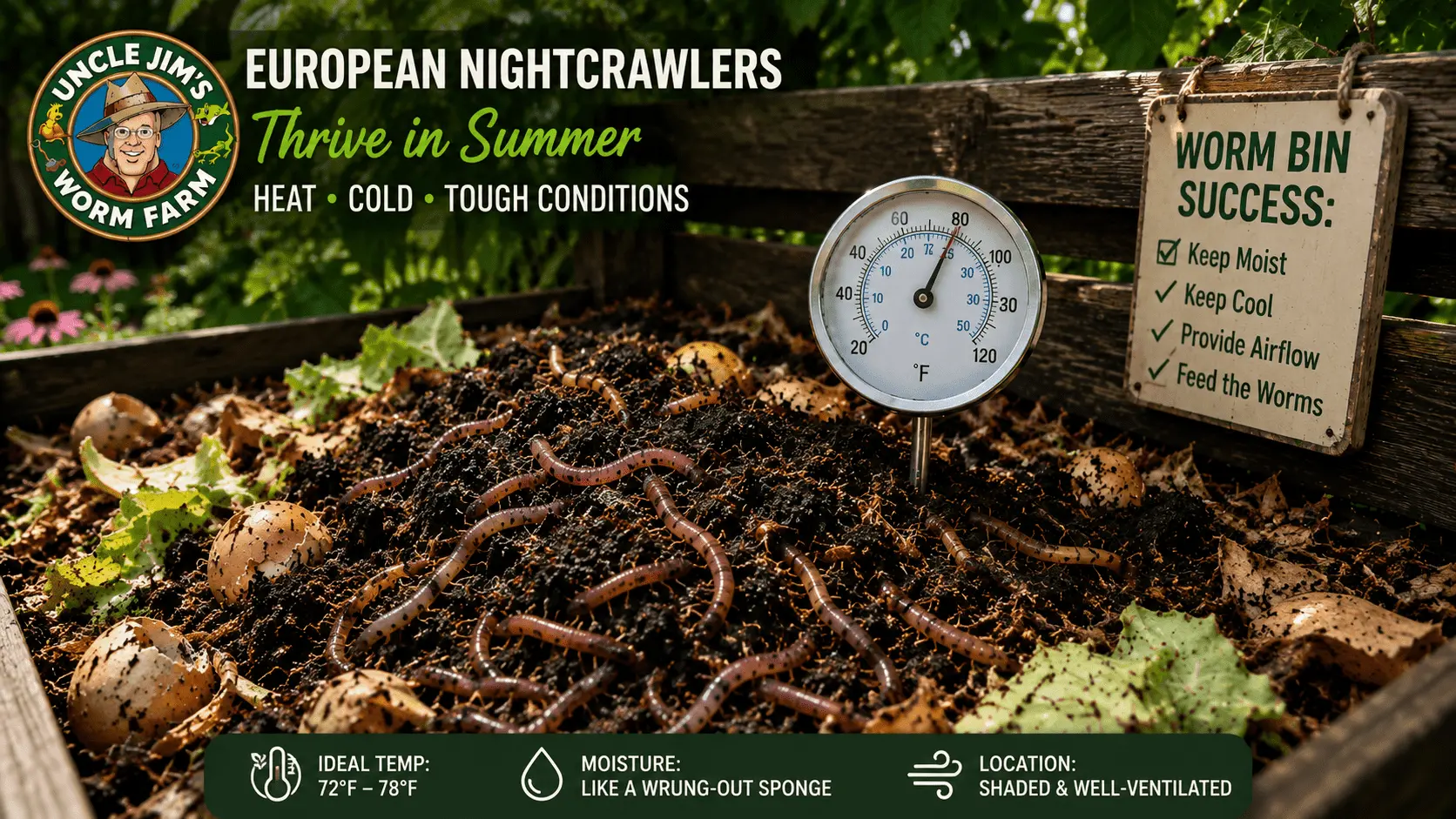
Pumpkin and squash scraps often bring in a lot of moisture. Add dry bedding to absorb the excess and keep air moving. A well‑balanced bin should feel like a “wrung‑out sponge.” :contentReference[oaicite:4]{index=4}
5. Feed in stages and monitor the bin
Don’t dump all your leftovers in one go. Add small batches every few days and watch the condition. If you see lots of flies, odours, or worms trying to escape, you’ve added too much or the conditions are off.
Thanksgiving‑Specific Scrap Ideas & Handling Tips
Here’s how common holiday leftovers map to worm bin friendly tasks:
- Pumpkin or squash guts & rinds: Chop into 1‑2” pieces, mix with bedding, or freeze then thaw for quicker breakdown.
- Plain cooked veggies (carrots, parsnips, potato skins): Good in moderate amounts — ensure minimal butter/oil.
- Coffee grounds after dinner: Sprinkle in a feeding, then cover with a layer of dry bedding to absorb moisture.
- Used tea bags (remove staples): Drop into the bin under bedding — many worms will munch the paper too.
- Leftover plain bread or pasta: Use only a small amount; bury well and avoid heavy sauce or oil coating.
Pest Prevention: The Must‑Do Checklist
- Always bury new scraps under bedding — never leave fresh food exposed on top.
- If you spot fruit flies, freeze scraps first for 24 hours before adding them.
- Ensure your bin has good ventilation and a snug lid so flies, ants or rodents can’t get in.
- Check moisture levels — too wet = odour and pests; too dry = worms won’t eat. Aim for 70‑80% relative moisture (roughly wrung sponge feel).
After Feeding: What Happens & How to Harvest
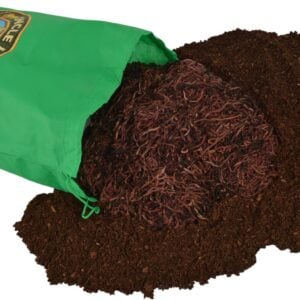
Once your worms start consuming the leftovers, their digestion+microbial action turn the material into rich worm castings. These castings are full of nutrients, beneficial microbes and are excellent for gardens. According to a home‑composting guide from the Ulster County Resource Recovery Agency, vermicomposting is a “cold process” that works year‑round and doesn’t require large outdoor piles. :contentReference[oaicite:6]{index=6}
In the following weeks you’ll see the scraps shrink, bedding turn darker, and the worm population may grow. When the material is largely unrecognizable and looks like rich humus, it’s time to harvest. Use the method described in our “Get Started With Vermicomposting” guide. :contentReference[oaicite:7]{index=7}
Ready to Act? Here’s Your Holiday Feeding Plan
1. Gather your holiday leftovers and sort out the components.
2. Chop or freeze the larger pieces.
3. Prepare your worm bin bedding (shredded cardboard/newspaper) and moisten it.
4. Bury the food under at least 2‑3″ of bedding.
5. Balance the moisture with additional dry bedding if needed.
6. Monitor your worm bin daily over the next 1‑2 weeks: look for smells, flies, worm movement.
7. In about 4‑8 weeks you’ll see the castings ready to harvest and your next‑spring garden fed and ready.
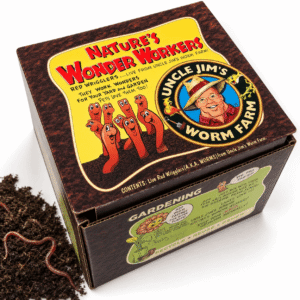
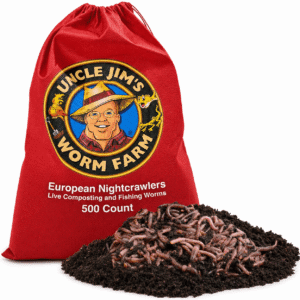
Want worm bin gear? We’ve got everything ready to ship: check our Worm Farm Kit or grab a set of live Compacting Worms for Sale to get started today.
What’s Next?
Want to keep your worm bin thriving into winter and beyond? Stay tuned for our next post: “Cold‑Weather Worm Composting: How to Keep Your Worms Happy Indoors This Winter.” In the meantime, if you haven’t already, download our free “Holiday Scrap to Worm Food Checklist” and tape it to your fridge — your bin will thank you later.
Uncle Jim’s Worm Farm has been supplying live composting worms and vermicomposting supplies for over 40 years. Our worms are raised in the USA and shipped fresh from our Pennsylvania farm. We specialize in Red Wigglers, European Night Crawlers, and everything you need to start your own worm composting system. Whether you’re a beginner composter or a seasoned worm farmer, we’re here to help turn your scraps into garden gold.
11 thoughts on “How to Turn Thanksgiving Food Scraps Into Worm Food (Without Attracting Pests)”
What a great way to repurpose Thanksgiving scraps! I’ve been composting for a while but never thought about using food waste specifically for my worms.
There’s a great deal to explore regarding this topic. I appreciate how you highlighted all these points.
Great reminder after Thanksgiving! Feeding suitable food scraps to a worm bin is a simple way to reduce household waste while creating nutrient-rich compost for the garden. Small changes like this can make a big difference for both the environment and future plants.
I didn’t have any expectations concerning that title, but the more I was astonished. The author did a great job. I spent a few minutes reading and checking the facts. Everything is very clear and understandable. I like posts that fill in your knowledge gaps. This one is of the sort.
That’s a great idea for Thanksgiving. I’m eager to try out the tips you shared in this article right away.
Great tips for turning Thanksgiving scraps into compost! It’s amazing how we can repurpose our leftovers to benefit our gardens. If you’re looking to add a creative twist to your holiday, check out Faceless Reels. It’s a fantastic tool for creating engaging short-form videos from your ideas in just a few minutes. Perfect for sharing your composting journey or any other holiday activities!
The article’s recommendation to freeze leftover pumpkin guts and squash rinds is a practical safeguard against fruit flies before processing holiday remnants. You can easily track those seasonal waste windows alongside lightweight organizers like poople to keep your feeding rhythm steady. Just ensure every portion stays buried beneath three inches of dry bedding so odors remain controlled until spring planting arrives.
Good notes here. Bookmarking this for the next time I hit the same tradeoff. meta muse video
Good notes here. Bookmarking this for the next time I hit the same tradeoff. muse native audio to video
Vermicomposting is such a rewarding way to manage food scraps sustainably. After checking the worm bin and tending to my garden, I love to unwind with a quick daily word ladder puzzle. It’s the perfect way to keep my brain sharp while waiting for the compost to break down into nutrient-rich soil. Highly recommend both habits for a balanced, eco-friendly lifestyle!
Freezing the pumpkin scraps and melon rinds before adding them to the bin really is a game changer for keeping fruit flies away. Adding a solid layer of shredded cardboard to balance the moisture keeps the worm bedding fresh and odor-free all winter.