


If you’ve ever had worms die off unexpectedly, you’re not alone. One of the biggest challenges gardeners and composters face—especially in early spring—is dealing with unpredictable weather.
Warm afternoons can quickly turn into cold nights. A compost bin that feels perfect one day can become too hot or too cold the next. And for many worm species, these fluctuations can be stressful—or even fatal.
That raises an important question: which composting worm can actually handle these changing conditions?
For many gardeners, the answer is European Nightcrawlers. Because of their adaptability, European Nightcrawlers are often considered one of the best composting worms for both cold and hot weather condition.
Quick Summary
- European Nightcrawlers are one of the most resilient composting worms available
- They tolerate a wider range of temperatures than many other species
- Their burrowing behavior helps them survive environmental changes
- They work well in compost bins, garden beds, and outdoor systems
- Ideal for spring setups when weather conditions are unpredictable
Why Weather Matters More Than You Think in Composting
Worm composting isn’t just about tossing food scraps into a bin—it’s a living system that depends heavily on environmental conditions. Temperature, moisture, and airflow all play a role in keeping worms healthy and active.
Among these factors, temperature is one of the most critical. Composting worms are sensitive to extreme heat and cold, and even moderate fluctuations can slow their activity or stress them out.
In early spring, this becomes especially important. As outdoor temperatures shift daily, compost bins and garden beds can experience rapid changes that impact both microbial activity and worm survival. Choosing a worm that can adapt to these conditions makes a significant difference.
The Hidden Problem: Why Worms Struggle in Changing Conditions
Many composters assume that if worms are alive, they’re thriving. But in reality, worms often struggle before showing obvious signs of distress.
Sudden temperature drops can slow their metabolism, making them less active and less effective at breaking down organic material. On the other hand, heat buildup—especially in enclosed bins—can become dangerous quickly.
Moisture levels also fluctuate with weather. Rain, humidity, and evaporation all affect the environment inside a compost system. Combined with shipping stress or relocation, these factors can create a challenging situation for less resilient worm species.
Real-World Example: When Weather Ruins a Worm Bin
One gardener in the Midwest shared a common frustration: after setting up a compost bin in early spring, everything seemed to be working perfectly—until the weather shifted. Warm daytime temperatures quickly dropped overnight, and within a week, the worm activity slowed dramatically. What started as a thriving compost system turned into a sluggish, inconsistent bin that required constant adjustments.
After trying to manage the conditions—adding insulation, adjusting moisture, and moving the bin—the results were still inconsistent. The worms, primarily surface dwellers, struggled to adapt to the constant temperature swings. Like many gardeners, the issue wasn’t effort—it was choosing a worm species that couldn’t keep up with changing conditions.
When they switched to European Nightcrawlers, the difference became noticeable within weeks. Instead of staying near the surface, the worms moved deeper into the compost, naturally regulating their environment. Activity remained steady despite temperature fluctuations, and the composting process became far more consistent. For gardeners dealing with unpredictable weather, this kind of resilience can make all the difference.
Comparing Worm Types in Different Climates
Not all composting worms respond the same way to environmental changes. Understanding the differences can help you choose the right species for your setup.
Red Wigglers
- Live near the surface
- Excellent for breaking down food scraps quickly
- Best suited for indoor compost bins
- Do not burrow deeply into soil
African Nightcrawlers
- Thrive in heat
- Poor cold tolerance
European Nightcrawlers
- Burrow deeper into soil
- Improve aeration and drainage
- Work well in compost AND garden beds
- Larger and more resilient
Wait! Should I Get Rid of My Red Wigglers?
Not a chance! While the European Nightcrawler is the undisputed heavyweight champion of climate resilience and soil aeration, the classic Red Wiggler (Eisenia fetida) is still the “Formula 1” car of the composting world.
If you want the ultimate, bulletproof composting system, the secret is a “Power Couple” Mixed Bin. By combining both species, you get a high-performance ecosystem that works on every level:
-
Surface Speed: Red Wigglers stay right at the top, processing fresh kitchen scraps at a higher velocity than almost any other worm.
-
Deep Aeration: While the Red Wigglers handle the surface, the European Nightcrawlers dive deep, “tilling” the bedding and preventing the bottom of your bin from becoming compacted or anaerobic.
-
High-Density Efficiency: Red Wigglers tolerate crowded conditions beautifully, allowing your bin to handle “feast or famine” feeding cycles without skipping a beat.
The Expert Verdict: If you are composting in a harsh climate or directly in your garden beds, go with the European Nightcrawler. But for a high-speed, indoor composting machine that never sleeps, a 50/50 mix gives you the best of both worlds: the raw speed of the Red Wiggler and the rugged toughness of the Nightcrawler.
What Makes European Nightcrawlers So Resilient
European Nightcrawlers stand out because of their ability to tolerate a wider range of conditions than many other composting worms.
They can function in temperatures roughly between 40°F and 80°F, making them more forgiving during seasonal transitions. While they still prefer moderate conditions, they are less likely to experience sudden die-offs when temperatures fluctuate.
Their physical structure also contributes to their resilience. European Nightcrawlers are larger and more robust, which helps them handle environmental stress and transportation more effectively.
For gardeners dealing with unpredictable weather, this added durability can make a noticeable difference.
How Their Burrowing Protects Them from Temperature Swings
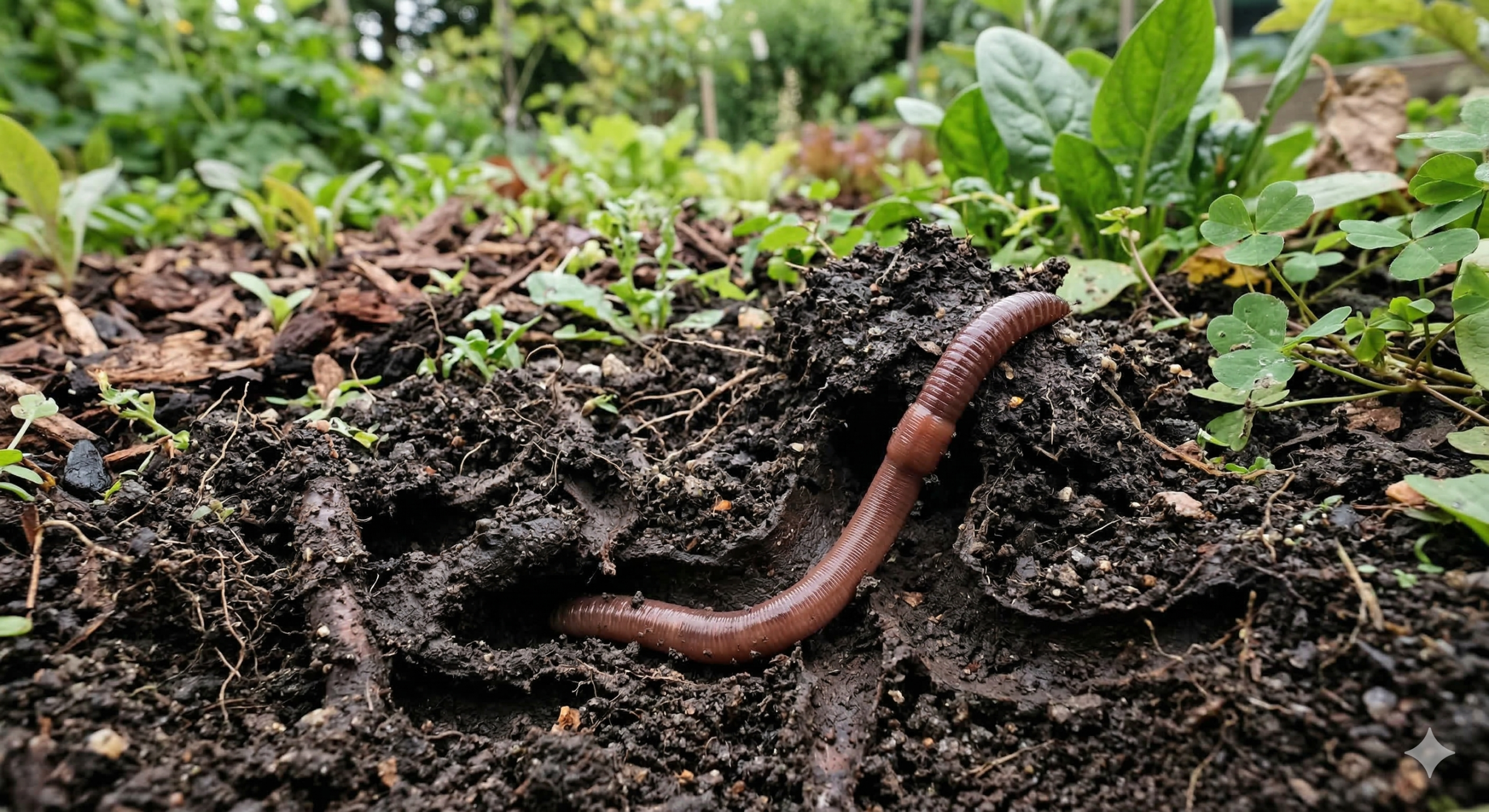
One of the most important advantages of European Nightcrawlers is their burrowing behavior.
Unlike surface-dwelling worms, they move deeper into the soil or compost when conditions change. This allows them to escape temperature extremes and find more stable environments below the surface.
These deeper layers act as natural insulation, protecting worms from sudden cold snaps or heat spikes. At the same time, their movement creates channels that improve aeration and water distribution throughout the soil.
This dual benefit—protection and soil improvement—is one of the reasons they are so valuable in both composting and gardening systems.
Indoor vs Outdoor Composting: Where They Perform Best
Many composting worms are best suited for one specific environment. European Nightcrawlers, however, are known for their versatility.
They perform well in traditional compost bins, where they help break down organic material into nutrient-rich castings. At the same time, they can be introduced directly into garden beds or outdoor compost piles.
This flexibility makes them a practical choice for gardeners who want a single worm species that can adapt to different setups. Whether you’re composting indoors or preparing outdoor soil, they can contribute effectively.
Why European Nightcrawlers Are Ideal for Spring
Spring is one of the most popular times to start composting or improve garden soil—but it’s also one of the most unpredictable seasons.
Temperatures can vary widely from day to night, and weather patterns can change quickly. These conditions can make it difficult for more sensitive worm species to establish themselves.
European Nightcrawlers are well-suited for this transition period. Their ability to adapt to fluctuating temperatures allows them to remain active when other worms might struggle.
For gardeners preparing beds for planting, this means more consistent composting activity and better soil development during a critical time of year.
Cold Weather Composting: Tips for Keeping European Nightcrawlers Active
While European Nightcrawlers are known for their resilience, colder weather still affects their activity levels. As temperatures drop, worms naturally slow down, which can reduce the speed of composting. However, with a few simple adjustments, you can keep your system productive even during cooler months.
One of the most effective ways to protect your worms is by adding insulation to your compost system. Materials like straw, shredded cardboard, leaves, or even a thick layer of bedding can help retain heat and create a more stable environment inside the bin. This added layer acts as a buffer against sudden temperature drops, especially during cold nights.
Location also plays a key role in maintaining consistent conditions. Placing your compost bin in a sheltered area—such as against a house, inside a garage, or near a fence—can significantly reduce exposure to wind and cold air. Even a small increase in ambient temperature can help keep worms more active and comfortable.
Moisture management becomes especially important in colder conditions. Since evaporation slows down, compost can become too wet if not monitored carefully. Aim for a damp, sponge-like consistency, and avoid overwatering. Balanced moisture levels help prevent anaerobic conditions while supporting healthy microbial activity.
Feeding habits may also need to be adjusted. In cooler temperatures, worms consume organic material more slowly, so adding smaller amounts of food at a time can prevent buildup and maintain a balanced system. Chopping or breaking down food scraps into smaller pieces can also help speed up decomposition.
Thanks to their ability to burrow deeper into compost and soil, European Nightcrawlers naturally seek out more stable temperatures below the surface. This behavior gives them an advantage over more surface-dwelling worms, allowing them to continue functioning even when conditions above fluctuate.
By combining their natural resilience with a few simple care strategies, gardeners can maintain a healthy, active compost system throughout colder periods. This makes European Nightcrawlers a reliable choice for those looking to compost year-round, even in less predictable climates.
Bonus: One Worm for Composting, Gardening, and Fishing
Another reason European Nightcrawlers are so popular is their versatility.
They are effective composters, capable of processing organic material and producing nutrient-rich castings. At the same time, their burrowing behavior improves soil structure and aeration in garden beds.
In addition, their size and durability make them a preferred choice for fishing bait. This combination of uses has led many gardeners to view them as a multi-purpose solution.
When Should You Choose European Nightcrawlers?
European Nightcrawlers are a strong choice in several situations.
If you live in an area with fluctuating temperatures, they offer a more reliable option than more sensitive species. If you’re starting a compost system in early spring, their adaptability can help ensure success.
They are also ideal for gardeners who want a single worm type that can handle composting, soil improvement, and outdoor use without requiring highly controlled conditions.
How to Get the Best Results with European Nightcrawlers
To get the most out of European Nightcrawlers, it’s important to provide a suitable environment.
Keep their habitat moist but not waterlogged, and provide a steady supply of organic material such as food scraps, leaves, and compost. Avoid extreme conditions whenever possible, even though they are more tolerant than other species.
Placing them in areas with some natural insulation—such as garden beds with mulch or well-managed compost bins—can further support their activity and longevity.
Ready to Toughen Up Your Compost?
If you’ve struggled with worms not surviving temperature changes, it may be time to consider a more resilient option.
European Nightcrawlers offer a balance of durability, versatility, and performance that makes them well-suited for real-world conditions—especially during unpredictable seasons like spring.
Limited-Time Offer: Right now, you can get more value out of your composting setup with our Buy 1000, Get 1000 FREE European Nightcrawlers offer—perfect for starting strong in spring conditions.
By choosing a worm species that can adapt to changing environments, you set yourself up for more consistent composting results and healthier soil over time.
FAQ
Are European Nightcrawlers cold hardy?
They are more tolerant of cooler temperatures than many composting worms and can survive in lower ranges, though they remain most active in moderate conditions.
Can European Nightcrawlers handle heat?
They tolerate moderate heat better than some species, especially because they can burrow deeper to escape surface conditions.
Are they better than Red Wigglers?
It depends on your goal, but you don’t have to choose! Red Wigglers are the speed kings for surface scraps, while European Nightcrawlers offer unmatched resilience and aeration. Many pros mix both for the ultimate ‘Power Couple’ composting team.
Can you use them directly in garden beds?
Yes, they can be added to garden beds where they help improve soil structure, aeration, and nutrient distribution.
About the Author
Uncle Jim’s Worm Farm Team
With over 50 years of experience in vermiculture, Uncle Jim’s Worm Farm has supplied millions of composting worms to gardeners, educators, and growers across the United States.
Continue Learning:


2 thoughts on “Why European Nightcrawlers Are the Most Resilient Composting Worm for Any Climate”
Ordered night crawlers from Amazon. Have three foot wide two foot high beds combination flower vegetables against a cement wall. No kitchen scraps. Do I need something to feed them?
Hey Walter, great setup! Short answer: yeah, you’ll want to give them something to eat.
Even in garden beds, worms still need organic material, not just soil, to really thrive. Since you’re not using kitchen scraps, easy options are things like shredded leaves, grass clippings, aged manure, or even damp cardboard. Just bury it a little under the surface and you’re good to go.
Since your beds are against a cement wall, keep an eye on moisture too. They can dry out faster than you’d think.
You can also add a bag of pre-composted material or aged manure to get things going fast. It gives the worms an instant food source and helps them settle in quicker.
Also—if you feel like your population looks a little light after they adjust, adding another batch of European Nightcrawlers can really kick things into high gear. Once they’re established with a steady food supply, they’ll start multiplying and improving your soil pretty quickly.
Give them some food and they’ll take care of the rest. Wishing you rich soil, strong plants, and a whole lot of worm action this spring!