

Thinking about building a worm farm? Good choice! Whether you’re a seasoned organic gardener or just starting, setting up a worm farm (or vermiculture) is a fun and simple way to turn kitchen scraps into powerful plant food. Plus, it’s eco-friendly and super easy to maintain. Worms do all the hard work, and you get to enjoy the benefits—nutrient-rich compost and liquid fertilizer that’ll make your plants thrive! If you’re ready to dig into the wonderful world of worm farming, let’s take you through the steps to build your garden gold factory.
Why Build a Worm Farm?
Why should you build a worm farm? Well, for starters, it’s a breeze! All you need are a few simple materials. Before you know it, you’re recycling your kitchen scraps into something valuable for your garden. Worm castings—basically worm poop—are like gold for your plants. They’re packed with nutrients that help the soil retain moisture and keep your garden happy and healthy.
Worm farms are also incredibly low-maintenance and good for the planet. They cut down on food waste, reduce the amount of garbage that ends up in landfills, and even help lower greenhouse gas emissions. Plus, you’re creating a natural, chemical-free fertilizer that makes your plants look their best!
Getting Started: What You Need to Build a Worm Farm
Ready to build a worm farm? Here’s what you’ll need:
- A Worm Bin: You can use a specially designed indoor or outdoor compost bin or get creative with a plastic tote or wooden box. Just make sure it has a secure lid to keep out pests.
- Bedding Material: Worms need a cozy bed. Shredded paper, coconut coir, or cardboard will do the trick.
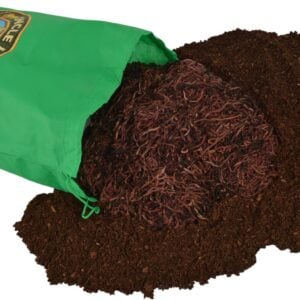
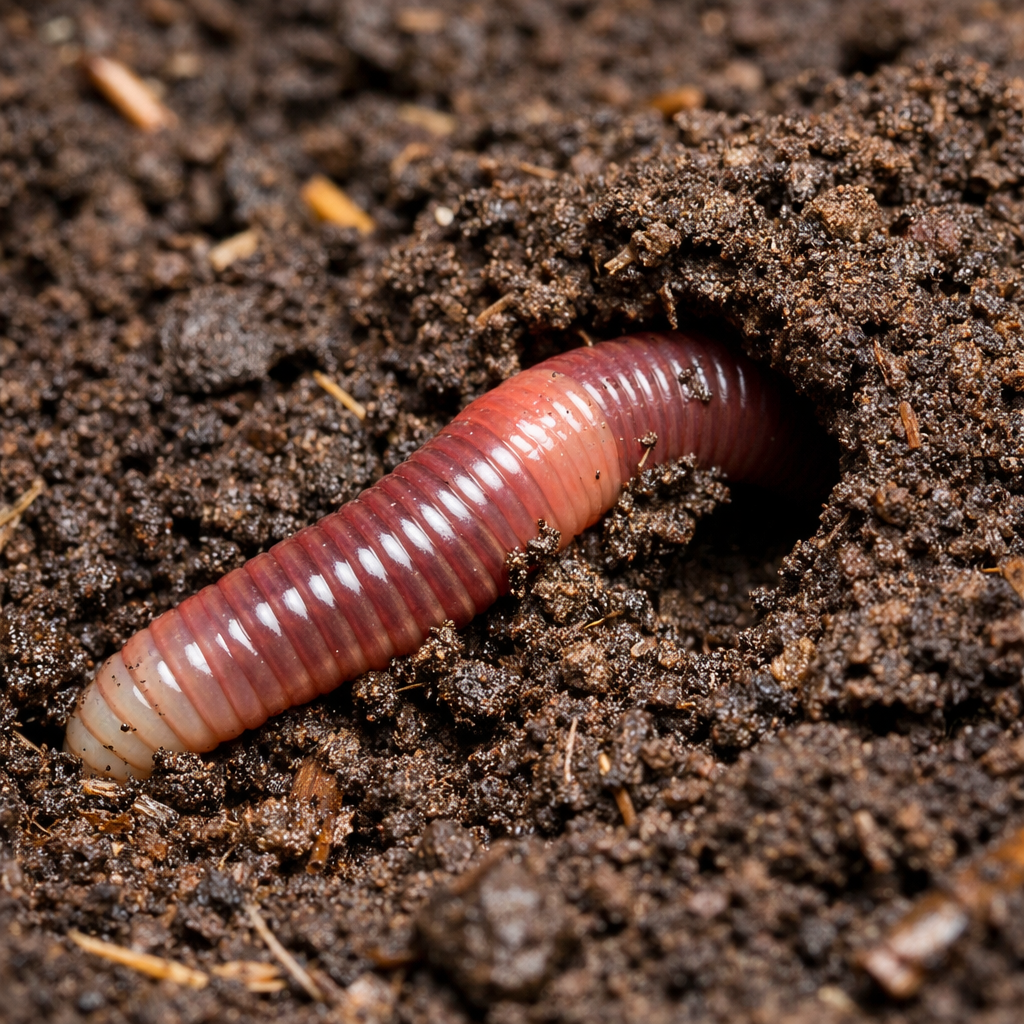
- Worms: Red Wigglers are your best bet for composting. These little guys are tough, breed fast, and love turning food scraps into rich compost. You can easily buy live worms from Uncle Jim’s Worm Farm.
- Food Scraps: Worms eat fruit and vegetable scraps, coffee grounds, and eggshells. Avoid meat, dairy, and oily foods—they can attract the wrong kind of guests!
Step-by-Step: How to Build a Worm Farm

To build a worm farm is easier than you might think. Here are the instructions and some valuable tips to get going and thriving:
1. Choose Your Location
Find the perfect spot for your worm farm! Indoors or outdoors, just ensure it’s cool and out of direct sunlight. A shaded spot in the garden or a quiet corner in your home works perfectly.
2. Prepare the Worm Bin
If you use a plastic or wooden container, drill a few holes in the sides and bottom for airflow and drainage. Worms need oxygen to stay healthy, and the drainage holes help keep things from getting too soggy.
3. Add Bedding
Spread a layer of moist bedding (like shredded paper or coconut coir) across the bottom of the bin. It should be damp, not dripping. This gives your worms a soft and comfy place to live and burrow.
4. Add the Worms
Now for the fun part—adding your worms! Red Wigglers are the go-to choice when you build a worm farm. They love composting and will start getting to work right away. Just sprinkle them over the bedding and let them settle in.
5. Feed Your Worms
Start small with the feeding. Add a handful of food scraps about once a week. As your worm population grows, you can increase the amount. Remember to bury the food under the bedding to keep things fresh and avoid attracting flies. Your worms will love munching on banana peels, lettuce, coffee grounds (yes, they love some caffein!), and more!
6. Maintain Your Worm Farm
Keep an eye on the moisture levels. If it feels too dry, mist it with water. If it’s too wet, add more dry bedding. Every few months, you’ll need to harvest the worm castings. Just shift the compost to one side, add fresh bedding and food to the other, and the worms will migrate independently.
Common Mistakes to Avoid When You Build a Worm Farm
Building a worm farm is easy, but there are a few little things to watch out for to keep your worms happy:
- Overfeeding: Don’t go overboard with the food scraps. Too much food can make your worm bin stinky and messy. Start slow and add more food as your worm population increases.
- Not Enough Drainage: Worms don’t like soggy homes. Make sure your bin has good drainage to keep things just right.
- Too Much Heat or Sunlight: Worms love cool, shady environments. Keep your worm farm out of direct sunlight or hot areas to avoid stressing your little helpers.
The Benefits of a Worm Farm
When you build a worm farm, you’re doing more than just creating compost. You’re unlocking the secret to healthier, stronger plants. Worm castings are loaded with nutrients and beneficial microbes that help improve soil structure, boost water retention and promote lush plant growth. It’s like giving your garden a superpower!
Plus, worm farms produce something extra special—worm tea! This liquid fertilizer, which you can collect from the drainage holes of your worm bin, is a fantastic fertilizer for your plants. You can use it directly on your soil or as a spray for an instant plant boost. More on this topic you can find here.
Keep Your Worm Farm Thriving
Once your worm farm is up and running, the key is to keep things consistent. Feed your worms regularly, check their moisture levels, and ensure their environment stays cozy. With a little TLC, your worms will happily work away, producing compost and fertilizer for years to come.
Wrapping up
No matter your gardening experience, building a worm farm is a rewarding way to reduce waste, nurture your garden, and embrace sustainable living. And the best part? Worms are easy to care for, so you can sit back and let them do the hard work for you!
Ready to build your own worm farm? We’ve got everything you need to get started! Check out our selection of live worms, worm bins, and composting supplies at Uncle Jim’s Worm Farm today.

16 thoughts on “How to Build a Worm Farm: Step-by-Step Guide”
It is coming to winter. I now have them out side in their bin. How should I protect them from way below freezing temperatures? Move them in to my garage? Thank you, Steve Huber
Hello Steve;
If at all possible, move the bin indoors for the winter and you can continue the composting process and the worms will continue eating and reproducing.
Uncle Jim’s Worm Farm
Received my worms today. wish my little wiggles good luck.
Good Luck and let us know if you have any quesitons!
Uncle Jim’s Worm Farm
I am thinking about buying land in rural West Virginia and building the largest worm farm known to man. Does anyone have any tips on worm breeding to make my goal achievable?
I’d like to start a fishing worm farm using an old cooler to leave in a crappie house. Any advice?
Seems like my grandfather did this will a galvanized tub and left a wet burlap sack over the top. He fed corn meal and table scraps.
Any advice is welcome
It sounds like your grandfather did well raising worms and we recommend that you follow his lead. If the moisture, food and temperature is all balanced, the worms will thrive!
Uncle Jim’s Worm Farm
Does it hurt to mix your worms I mean can you just throw all your different kinds of worms all in the same deal form or do you need separate them?
Most worms will be fine mixed with other worms, the only thing that you normally need to be concerned with is one species out breeding another species. If that is of no importance to you, then mixing worms that like the same conditions is usually not a problem.
Uncle Jim’s Worm Farm
I am planning to do an in-ground worm farm in Northern Indiana – Zone 6. Do you still need to water the bedding and clear out the eggs in that case? Also, can they over winter in the ground or need to be taken out?
Hello Steve; In ground worm bins are great and normally you do not need to do much except feed them and harvest the castings, only if the bin is enclosed in the ground. If it is open and the worms are free to venture outward, they will find their own food and burrow as they would in the wild. If you keep the ground moist and provide a source of food in the area, the worms will usually stay close to the food source and the conditions that they need to thrive. If the bed is open to nature, you do not need to do much except keep the ground moist for them as that will keep them from seeking out better conditions.
Uncle Jim’s Worm Farm
I have a three tier bin system. I started out with the worms in the top bin and the collection bin underneath. My worms are heatlthy and seem to be thiving. When do I add the other two bins?
Hello Marcyana; Usually you can add the second tray on top after about 1.5 to 2 months, and then in a few weeks, remove the bottom, finished tray to harvest the castings. Depending on how many worms you have working each tray. Sometimes it can take up to 4 months with fewer worms.
Uncle Jim’s Worm Farm
Thanks for the tips we’re just starting our little wiggler condo. Love to fish but hate buying bait.
I want to use a clear bin so I can watch them thrive over time, what kind of bin should I use?
Just starting and about to order from you but I still can’t understand about harvesting the worm casings and when they multiply how many do you remove. I need more details. Do you recommend any books ?