

Early Spring Prep Series
February is when gardeners across the United States start planning for spring. Seed catalogs are open, compost bins are thawing, and many beginners are asking the same question before starting a worm bin: how long will my worms actually live?
If you’re setting up your first indoor system before planting season, understanding worm lifespan now ensures a healthy, productive bin all spring and summer.
Quick Summary (TL;DR)
- Most composting worms live 2–5 years in containers with proper care.
- Red Wigglers are the best choice for indoor bins.
- Ideal temperature: 55°F–77°F.
- Moisture should feel like a wrung-out sponge.
- Proper feeding and aeration dramatically extend lifespan.
How Long Do Earthworms Live in Containers? A Complete Guide
Earthworms are fascinating creatures that can thrive in containers. Curious about their lifespan? Discover how long earthworms live and thrive in your home!
How Long Do Earthworms Live in Containers? A Complete Guide
Earthworms are fascinating creatures that can thrive in containers. Curious about their lifespan? Discover how long earthworms live and thrive in your home! Earthworm farming in containers has become an increasingly popular activity for gardeners, educators, and eco-conscious individuals alike. These wriggly beings not only enrich soil health but also provide a sustainable method of waste management. Whether you’re a seasoned worm farmer or a curious beginner, understanding the nuances of earthworm longevity is key to ensuring their health and productivity. Let’s delve into the factors that influence their lifespan and how you can create the ideal environment for your earthworms.
Factors Affecting Earthworm Longevity
Several factors play a crucial role in determining how long earthworms can live in containers. The first and most significant factor is the species of the earthworm. Different species have varying lifespans; for example, the common garden worm (Lumbricus terrestris) can live up to six years, while the red wiggler (Eisenia fetida) typically lives for two to five years. Understanding the specific needs of the species you are keeping will help you cater to their requirements and prolong their life.
Another critical factor is the environment within the container. Earthworms thrive in moist, dark, and cool conditions. Temperature fluctuation can be detrimental; therefore, maintaining a stable environment is essential. Ideally, the temperature should be kept between 55°F and 77°F (13°C and 25°C). Additionally, the moisture level should be consistently high, but not waterlogged, as too much water can lead to suffocation and rot, while too little can cause dehydration and death.
The quality and type of bedding material also significantly affect earthworm longevity. Bedding materials like shredded newspaper, cardboard, peat moss, and coconut coir are excellent choices. These materials not only retain moisture but also offer a comfortable space for the worms to move and feed. Regularly changing the bedding and removing any uneaten food or waste products will help maintain a healthy environment, ensuring your earthworms live longer and healthier lives.
Ideal Container Conditions for Earthworm Survival
Creating the ideal container conditions is paramount for the survival and longevity of earthworms. The first step is selecting the right container. Containers made of plastic or wood are generally preferred due to their durability and ability to retain moisture. Ensure that the container has adequate drainage holes to prevent water accumulation, which can create a hostile environment for the earthworms.
The size of the container is equally important. A larger container provides more space for the earthworms to move and reproduce. It also accommodates more bedding material and food, which can support a larger population. However, the container should not be too deep, as this can make it difficult to monitor the worms and maintain optimal conditions. A container that is 12 to 18 inches deep is usually sufficient for most earthworm species.
Maintaining proper ventilation is another crucial aspect. Earthworms require oxygen to survive, so the container should have plenty of air holes. These holes should be small enough to prevent the worms from escaping but large enough to allow for adequate airflow. Placing a breathable fabric or mesh over the holes can help achieve this balance. Additionally, regularly turning the bedding can improve aeration and prevent the buildup of harmful gases like ammonia.
If you’re just getting started this spring, our Red Wigglers are ideal for indoor bins, and our worm bins are designed specifically to maintain these optimal conditions.
Common Earthworm Species and Their Lifespans
Different species of earthworms have varying lifespans and environmental preferences. Understanding these differences can help you choose the right species for your container and provide the care they need. The most commonly used species in container farming are red wigglers (Eisenia fetida), European nightcrawlers (Eisenia hortensis), and the common garden worm (Lumbricus terrestris).
Red wigglers are perhaps the most popular choice for container worm farming. They thrive in a wide range of conditions and are particularly effective at composting organic waste. Their lifespan typically ranges from two to five years, depending on the care they receive. They are also prolific breeders, which can help maintain a stable population in your container.
European nightcrawlers are another excellent choice for container farming. They are larger than red wigglers and can burrow deeper into the bedding material. This species has a slightly longer lifespan, often living up to six years. They are also known for their hardiness and ability to tolerate a wider range of temperatures, making them a versatile option for various climates.
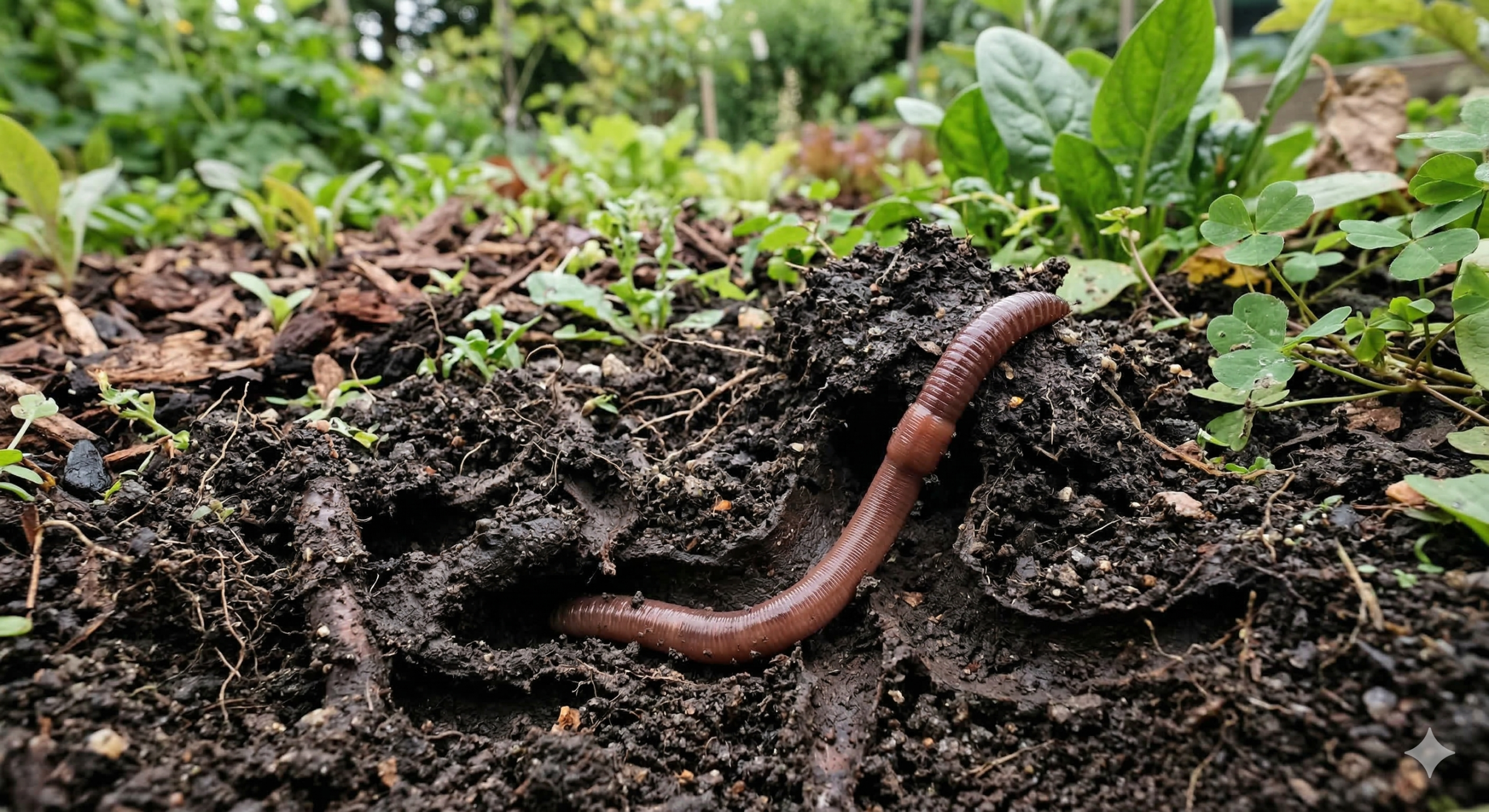
The common garden worm, or Lumbricus terrestris, is primarily found in soil rather than containers. However, they can be kept in larger containers with deep bedding. These worms can live up to six years, but they require more specific conditions, such as cooler temperatures and a well-aerated environment. Understanding the specific needs of each species will help you create the ideal conditions for their survival and longevity.
Feeding Earthworms: What They Need to Thrive
Feeding your earthworms the right diet is crucial for their health and longevity. Earthworms are natural decomposers, thriving on a diet of organic matter. Kitchen scraps like vegetable peels, fruit scraps, coffee grounds, and eggshells are excellent food sources. However, it’s essential to avoid certain foods, such as meat, dairy, and oily or salty items, as these can attract pests and create an unhealthy environment.
In addition to kitchen scraps, other organic materials like shredded newspaper, cardboard, and garden waste can provide essential nutrients. These materials also help maintain the right moisture balance in the container, creating a comfortable environment for the worms. It’s important to chop or shred larger pieces of food and bedding material to make it easier for the worms to consume and break down.
Feeding should be done regularly but in moderation. Overfeeding can lead to the accumulation of uneaten food, which can rot and create a toxic environment. A good rule of thumb is to add new food only when the previous batch has been mostly consumed. Observing your worms’ feeding habits and adjusting the quantity accordingly will help maintain a healthy and thriving population.
Fun Fact: A healthy colony can eat roughly half its body weight in food every single day. They are essentially tiny, silent, high-speed recycling plants.
For a full feeding guide, see our tutorial: How to Set Up a Worm Bin.
Signs of Healthy vs. Unhealthy Earthworms
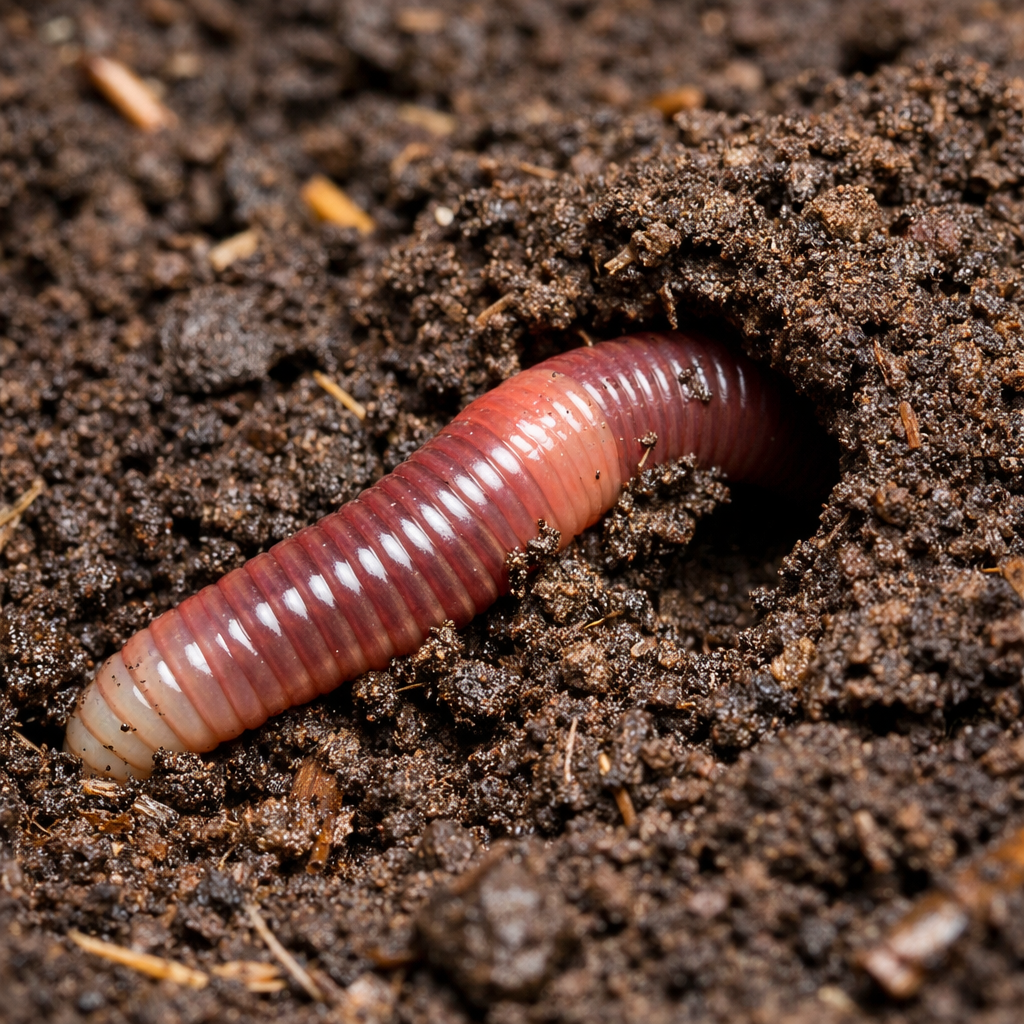
Monitoring the health of your earthworms is essential for ensuring their longevity. Healthy earthworms are active, plump, and have a consistent color. They should move easily through the bedding and be visible near the surface when you open the container. Healthy worms also reproduce regularly, so you should see cocoons and baby worms in the bedding.
Unhealthy earthworms, on the other hand, may exhibit several warning signs. These can include a sluggish or immobile state, discoloration, and a thin or shriveled appearance. If you notice a foul odor coming from the container, it could indicate that the environment has become toxic due to rotting food or excessive moisture. Addressing these issues promptly is crucial to prevent the decline of your worm population.
According to composting guidance from the U.S. Environmental Protection Agency, proper moisture balance and food management are key to successful composting systems.
How to Maintain Earthworm Containers for Optimal Life
Maintaining your earthworm containers involves several key practices to ensure the health and longevity of your worms…
What’s Next? Preparing for Spring Success
Mid-February is the perfect time to establish your worm population before peak gardening season in April and May. A healthy bin started now will be producing nutrient-rich castings just in time for spring planting.
Ready to get started?
- Shop Composting Worms
- Browse Worm Bins & Kits
- Learn more in our Worm Farming Blog
About the Author
Uncle Jim’s Worm Farm Team
With over 50 years of experience in vermiculture, Uncle Jim’s Worm Farm has supplied millions of composting worms to gardeners, educators, and commercial growers across the United States. Our team specializes in Red Wigglers, European Nightcrawlers, and sustainable composting systems designed for home and commercial use.
All content is reviewed by experienced worm growers and informed by university-backed composting research.

2 thoughts on “How Long Do Earthworms Live in Containers? A Complete Guide”
Really helpful and clear guide! Explains how to keep earthworms healthy in containers and what affects their lifespan – great tips for anyone starting a worm farm.
I’m using a kitchen composter to shrewd and dry out kitchen scraps. I collect it in a large bucket on my back porch and mix dirt into it.When the bucket is full I add it to a gardening bed, mix it in and cover with leaves. I added three worms this time found outside. Do I need to drill air holes for them or can I leave the top off and cover with loose weave fabric.?