

Healthy soil is the foundation of every thriving garden. As spring approaches, gardeners begin preparing beds, improving soil structure, and looking for natural ways to boost plant growth. One of the most effective — and surprisingly simple — methods is using European Nightcrawlers.
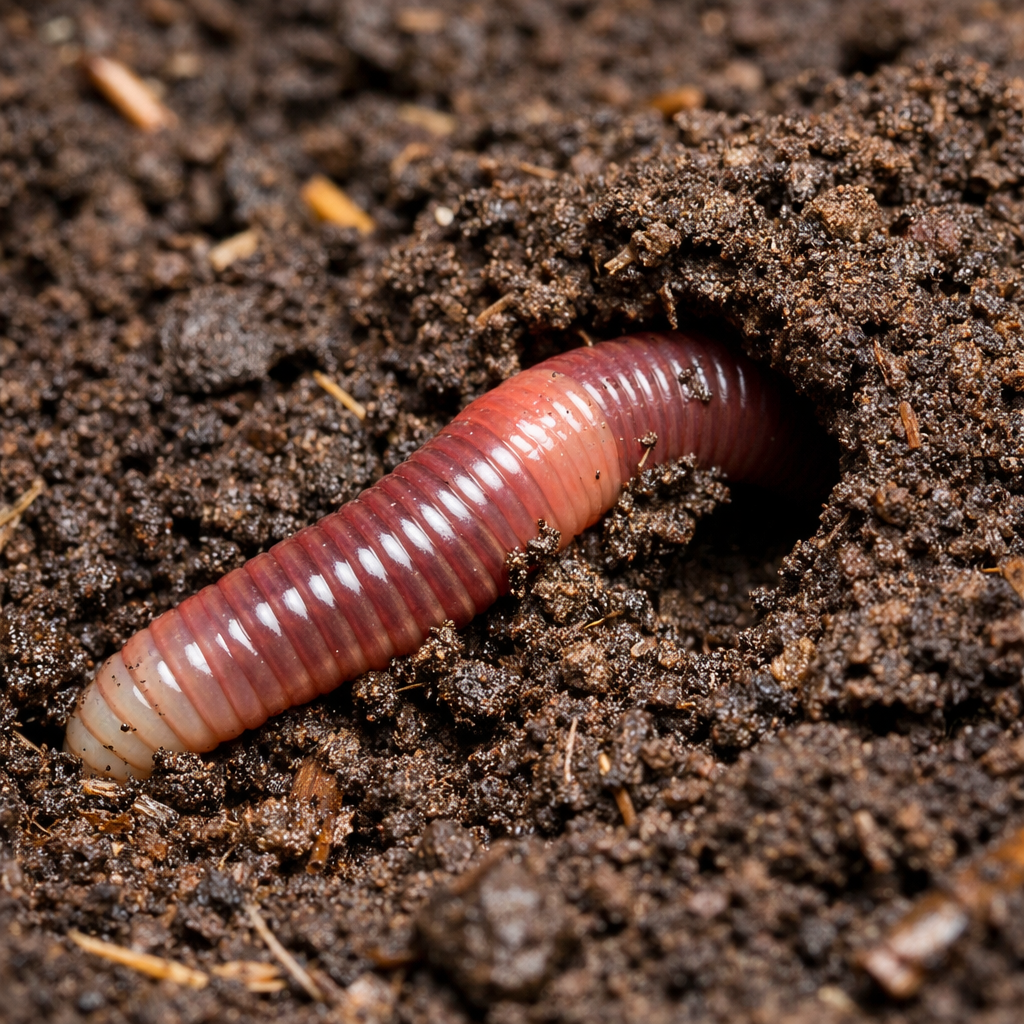
These hardworking composting worms do far more than break down organic matter. As they move through soil and compost, they create tunnels that increase soil aeration, drainage, and nutrient availability. The result is a healthier soil ecosystem that supports stronger plants and higher yields.
Quick Summary
- European Nightcrawlers naturally aerate soil by tunneling through organic material.
- Their movement improves oxygen flow and drainage in garden beds.
- They produce nutrient-rich worm castings that enhance soil fertility.
- They are excellent for vermicomposting, raised beds, and soil improvement.
- Gardeners often use them to prepare soil for spring planting.
What Are European Nightcrawlers?
European Nightcrawlers (Eisenia hortensis) are a species of composting worm known for their adaptability and productivity. They are larger than red wigglers but still thrive in compost bins, garden beds, and organic-rich soil environments.
Many gardeners choose European Nightcrawlers because they provide a powerful combination of benefits: composting ability, soil aeration, and high-quality worm castings.
You can learn more about them or order live worms here:
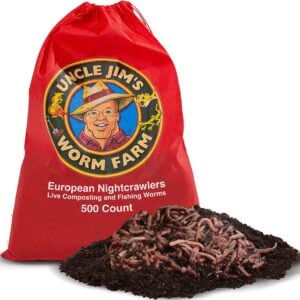
European Nightcrawlers from Uncle Jim’s Worm Farm
Why Soil Aeration Matters for Garden Health
Soil aeration refers to how easily air moves through soil. Healthy soil needs oxygen for plant roots, beneficial microbes, and earthworms to thrive. When soil becomes compacted, it restricts airflow and water movement, which can lead to poor plant growth.
Proper soil aeration helps:
- Improve root development
- Increase microbial activity
- Enhance water infiltration
- Prevent root rot
- Promote stronger plant growth
According to research from the USDA Natural Resources Conservation Service, soil organisms such as earthworms play a critical role in maintaining soil structure and nutrient cycling.
USDA Natural Resources Conservation Service
How European Nightcrawlers Aerate Soil
1. Natural Soil Tunneling
As European Nightcrawlers move through soil and compost, they create a network of tunnels. These channels allow oxygen and water to penetrate deeper into the soil profile.
This process improves soil structure over time and helps reduce compaction in garden beds.
2. Improved Drainage
The tunnels created by worms act like natural drainage systems. Water can move more easily through the soil, reducing pooling and improving moisture distribution.
This is particularly beneficial in raised beds and clay-heavy soils.
3. Increased Microbial Activity
European Nightcrawlers stimulate beneficial microbial life by breaking down organic matter and distributing microbes throughout the soil.
Healthy microbial communities support plant nutrient uptake and long-term soil fertility.
4. Nutrient-Rich Worm Castings
As worms digest organic material, they produce worm castings — one of the most powerful natural soil amendments available.
Worm castings contain essential nutrients such as:
- Nitrogen
- Phosphorus
- Potassium
- Beneficial microbes
- Plant growth hormones
Studies from universities such as Cornell have shown that vermicompost can significantly improve plant growth and soil health.
Cornell Waste Management Institute Vermicomposting Research
European Nightcrawlers vs Other Composting Worms
While several worm species are used in vermicomposting, European Nightcrawlers offer unique advantages for gardeners focused on soil improvement.
- Larger size: Produces larger soil tunnels.
- Adaptable: Works well in compost bins and garden beds.
- Hardy: Tolerates a wider temperature range.
- Dual-purpose: Excellent for composting and fishing bait.
If you’re setting up a compost system, you may also want to read:
How to Use European Nightcrawlers in Your Garden
Add Them to Raised Beds
Gardeners often introduce European Nightcrawlers directly into raised beds filled with organic-rich soil. As they move through the soil, they naturally aerate and fertilize the growing environment.
Use Them in Compost Systems
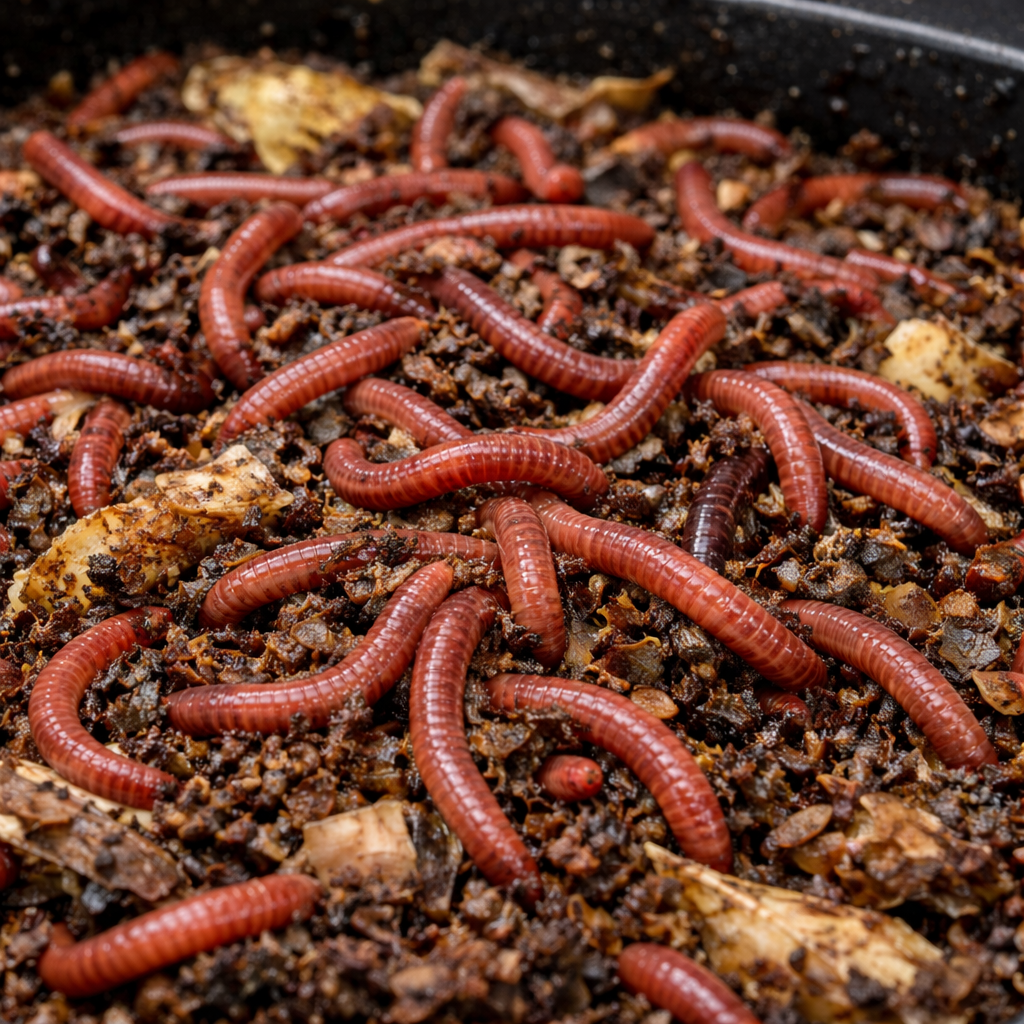
European Nightcrawlers thrive in worm bins and vermicomposting systems where they break down food scraps into valuable compost.
Finished vermicompost can then be added back into garden soil for enhanced fertility.
Boost Spring Soil Preparation
March and April are ideal times to introduce composting worms into garden systems. As temperatures warm and microbial activity increases, worms quickly begin improving soil structure.
This helps prepare garden beds for spring planting.
Best Conditions for European Nightcrawlers
To maximize their benefits, worms should be kept in conditions that mimic their natural environment.
- Moist, but not waterlogged soil
- Plenty of organic material (leaves, compost, food scraps)
- Temperatures between 55°F and 75°F
- Loose soil structure
When these conditions are met, European Nightcrawlers will continuously improve soil health throughout the growing season.
Why Gardeners Use Worms Instead of Mechanical Aeration
Traditional soil aeration methods such as tilling can temporarily loosen soil but may disrupt beneficial soil organisms.
Earthworms provide a natural alternative by slowly improving soil structure without disturbing microbial ecosystems.
Over time, worm activity helps build resilient soil that supports healthier plant growth.
What’s Next?
If you’re preparing your garden for spring, adding composting worms can be one of the easiest ways to improve soil health naturally.
European Nightcrawlers work continuously to aerate soil, recycle organic matter, and produce nutrient-rich castings that plants love.
Ready to start improving your soil?
Explore live worms and vermicomposting supplies:
By introducing worms into your garden ecosystem, you’re investing in healthier soil, stronger plants, and a more sustainable way to grow.
About the Author
Uncle Jim’s Worm Farm Team
With over 50 years of experience in vermiculture, Uncle Jim’s Worm Farm has supplied millions of composting worms to gardeners, educators, and commercial growers across the United States.
Our team specializes in Red Wigglers, European Nightcrawlers, and sustainable composting systems designed for home gardeners, schools, and commercial growers.
All content is reviewed by experienced worm growers and informed by university-backed composting and soil science research.
Continue Learning:
How Long Do Earthworms Live in Containers? A Complete Guide
If you’re setting up a worm bin this spring, understanding worm lifespan, care, and optimal conditions will help you build a thriving vermicomposting system that lasts for years.


4 thoughts on “How European Nightcrawlers Improve Soil Aeration and Garden Soil Health”
So I just put my worms in the garden? Got them in today
Hey James, great question! And good timing.
Short answer: yes, you can add them to your garden, but don’t just toss them on bare soil and walk away.
European Nightcrawlers do best when you give them a setup they actually want to stay in:
– Place them in moist, organic-rich soil (not dry dirt)
– Add a layer of compost, leaves, or mulch on top
– Lightly cover them so they’re protected from sun and birds
– Water the area a bit so it feels like a wrung-out sponge
If you just drop them into dry or compacted soil, they’ll either leave or struggle to survive.
Once they settle in, they’ll start doing exactly what the article explains , tunneling, improving aeration, and leaving behind castings that boost your soil naturally. Give them a few weeks and you won’t see them much — but your soil will start telling the story.
If you tell me what your soil is like (clay, sandy, raised bed, etc.) I’ll give you more details. Happy composting!
CLAY SOIL
I have clay soil. So how can I get the worms to start improving the soil if it’s not an environment they’ll like?