

Why Spring is the Best Time to Start Your Worm Bin (And How to Harvest Successfully)
Spring has sprung, and that means it’s time to bring your composting dreams to life! If you’ve been waiting for the right moment to start a worm bin—or grow your current colony—now is the best time to act. In this guide, you’ll learn why spring is ideal for worm composting, how to harvest worms effectively, and how to get started with an exclusive seasonal discount.
Spring: The Ideal Season for Worm Composting
When soil temperatures rise and daylight increases, worms become more active, eating and reproducing at faster rates. This leads to quicker composting cycles and richer, more productive worm castings.
- Soil warms up: Encourages faster breakdown of organic materials.
- Longer days: More consistent bin temperatures and microbial activity.
- Garden prep season: Use fresh castings for spring planting!
Benefits of Starting Your Worm Bin in Spring
- Accelerated worm growth and reproduction
- Ideal temperature and moisture conditions
- Early-season compost to prepare your garden beds
- Reduced risk of freezing or overheating bins
Step-by-Step: Setting Up Your Spring Worm Bin

Example of a DIY worm bin set up with proper ventilation and moist bedding.
1. Choose the Right Bin
Pick a plastic storage container or commercial composter with a tight lid and drainage holes. For outdoor bins, select a shady, sheltered area away from direct sunlight.
2. Add Bedding
Shredded newspaper, cardboard, coconut coir, and dry leaves make excellent bedding. Moisten the material until it feels like a wrung-out sponge.
3. Introduce Your Worms
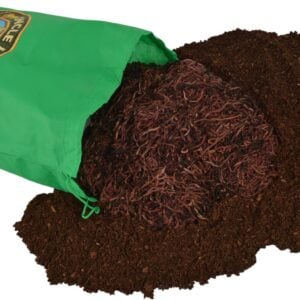
Red wigglers (Eisenia fetida) are the gold standard. Start with at least 1,000 worms (~1 lb) for a healthy colony. Buy worms here.
4. Start Feeding
Feed a small amount of chopped fruit and veggie scraps every few days. Bury food under bedding and avoid meat, dairy, or citrus.
5. Monitor and Adjust
Check moisture levels and temperature weekly. Stir the bedding lightly to maintain airflow and avoid anaerobic conditions.
Harvesting Worms in Spring: A Quick Guide
Spring is also a great time to harvest mature worms, especially if your colony has expanded over winter. Harvesting allows you to:
- Separate worms for new bins or to share with friends
- Sell or expand your operation
- Collect nutrient-rich castings for immediate use
Popular Harvesting Methods
1. Light Harvesting: Dump contents on a tarp, form into small piles, and let worms crawl downward. Scrape off castings gradually.
2. Lateral Migration: Push contents to one side of the bin and add new food and bedding to the other. Wait 1–2 weeks for worms to migrate.
3. Trap Method: Use a mesh bag with food scraps placed on top of the bedding. Worms crawl in—remove the bag and relocate worms.
Where to Use Worm Castings This Spring
- Seed starting mixes
- Transplant holes for vegetables and flowers
- Top-dressing garden beds and potted plants
- Compost tea for foliar sprays
Choosing the Best Worms for Sale in the U.S.
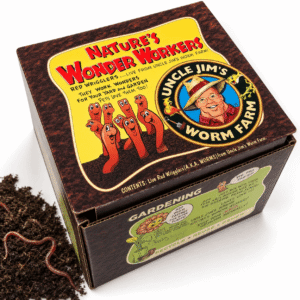
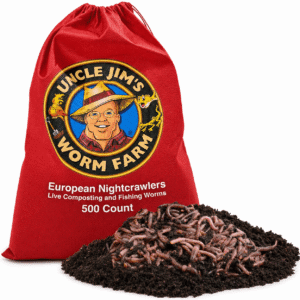
When buying worms online, quality and freshness matter. Uncle Jim’s Worm Farm offers premium worms raised in the U.S. and shipped live to your door.
- Red Wigglers: Ideal for compost bins
- Super Reds: Bigger and better for garden soil
- Mealworms: Bonus for pets and poultry
Explore our worms for sale and choose the perfect species for your composting or gardening goals.
FAQs About Spring Worm Composting
Is spring really the best time to start a worm bin?
Yes! Warmer soil and ambient temps speed up composting, and your garden benefits all season long.
How many worms should I buy?
We recommend starting with at least 1 lb (1,000 worms) per compost bin. Larger systems may need 2–5 lbs.
Can I use worm castings immediately?
Absolutely! Castings are gentle and can be applied directly to soil or made into compost tea for a nutrient boost.
Do I need to refrigerate worms when they arrive?
No. Store them in a cool, shaded area and introduce them to their bin within 24–48 hours.
Ready to Start Your Worm Journey?
There’s no better time than spring to start composting with worms. Whether you’re a gardener, homesteader, or eco-conscious household, worms can transform your food waste into a powerful tool for soil health.
Explore our best-selling worms, composting kits, and worm castings—and don’t forget to use code HARVEST25 for 10% off!
Shop Composting Worms | Learn More About Organic Gardening
Happy composting, and here’s to your best garden yet!


6 thoughts on “Why Spring is the Best Time to Start Your Worm Bin (And How to Harvest Successfully)”
I live in zone six have a compost pile in my garden that’s in full sun. Would it be wise to start a culture of worms in my compost pile in early April and be using it for planting in late May and throughout the summer for adding nutrients with the castings Throughout the season
Hello David;
Early spring is the time to add worms to your garden bed and allow them to get acclimated in there before the hottest months. They will burrow into their tunnels when the hot days hit and move up and down as they temperatures cool in the dusk and dawn. keep the garden beds moist all summer for them too.
Uncle Jim’s Worm Farm
I bought Super Reds last year and they died. I live in Las Vegas NV. The worms you offer are not acclimatized to Nevada. Your worms are from Pennsylvania, almost 3,000 miles away. The planting zone is 9a wit rain averaging 4.17”. In Pennsylvania the zone is 7a with rain averaging 41.45”. Stop selling worms that are not acclimatized to Nevada.
Hello James;
We sell worms all over the United States for many uses. It is up to our customers to research their needs and the worms that they plan to use as we have no way of knowing why they are being purchased. We do have many customers out west in Nevada, Arizona, California, and other states that report that they are having great success with our worms for various uses. We are very sorry if they did not work for you.
Uncle Jim’s Worm Farm
Having problems with worms escaping through tiny vent holes in top of worm bin. What causes this and how do you prevent this? Losing at lot of worms. Thanks.
Hello Jack; You can cover the vent holes with some window screen with a little caulk or something to hold it up there. Even cotton materials will help. The worms usually love the condensation at the lid area and will hang there a lot! Sometimes they find the exit and follow each other out. This can be disheartening at times if you lose a lot of them. If you need further assistance, feel free to contact our Customer Service Department at sales@unclejimswormfarm.com