


Description
From the Manufacturer
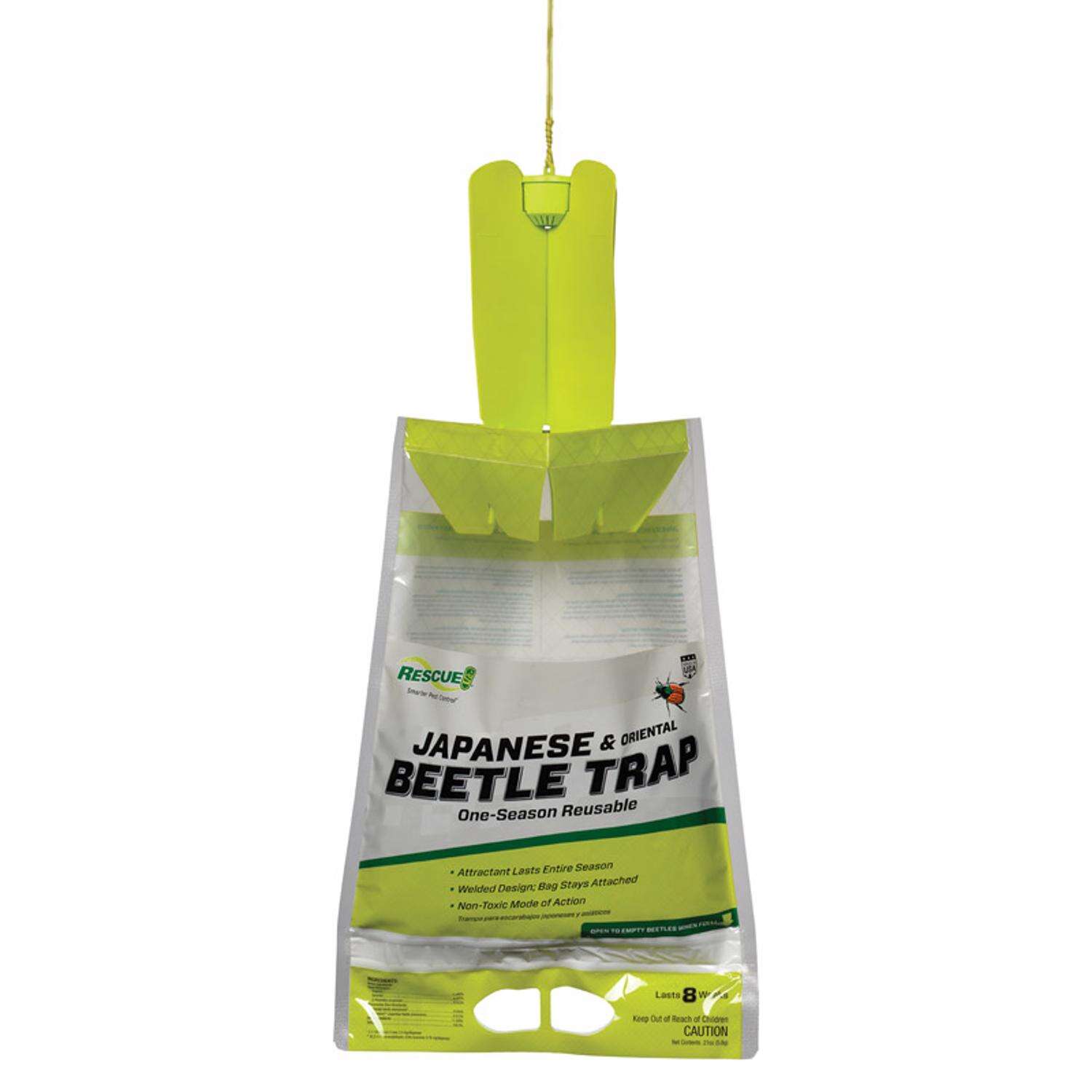
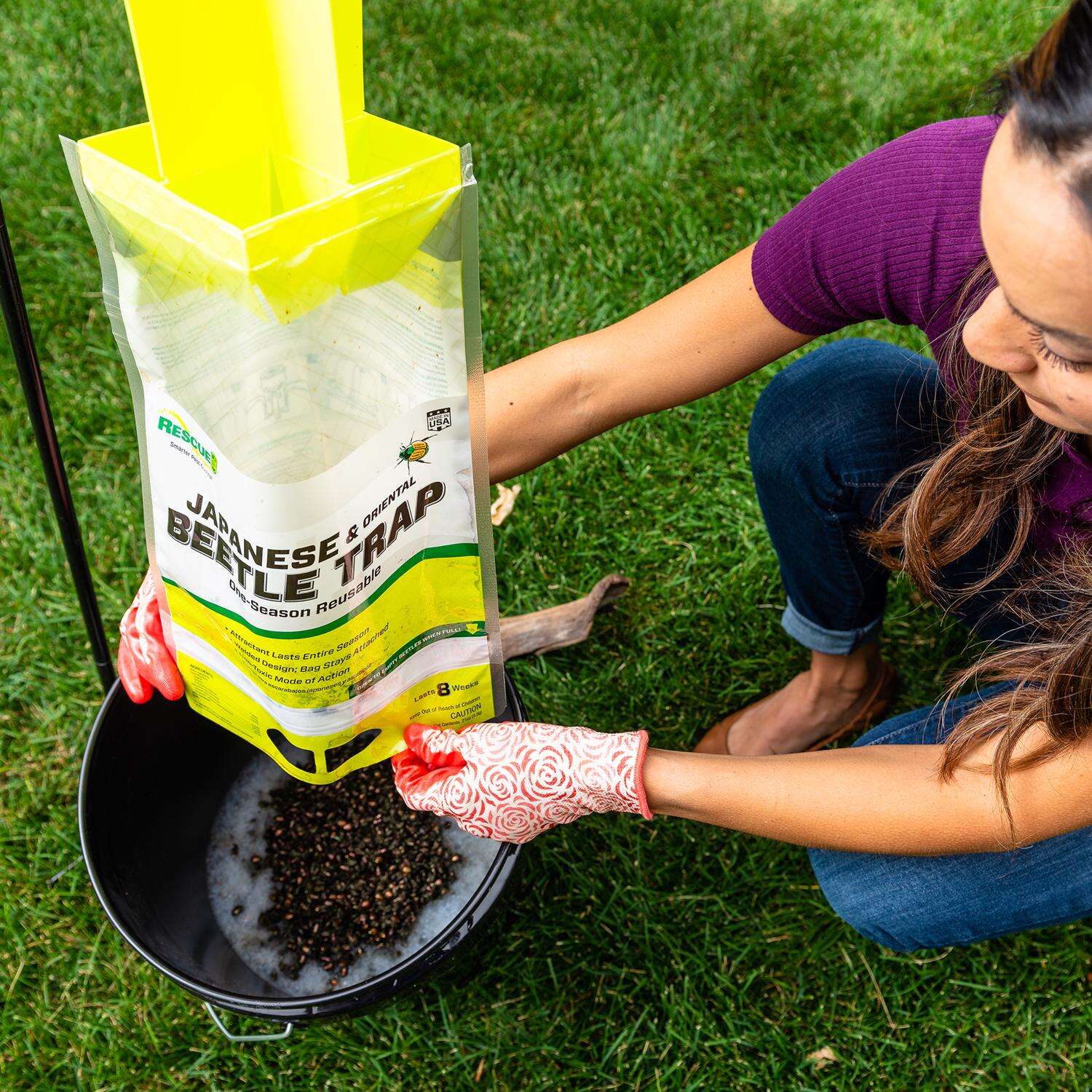
This trap catches the Japanese beetle, a destructive garden pest which infests and destroys over 300 varieties of ornamental plants. The trap uses floral scents proven to be a natural attractant, along with the beetle’s natural sex attractant. The trap uses a scientifically designed method to control the release of these natural floral and sex attractants to lure both male and female beetles to the trap. The convenient plastic cone design prevents the user from having to handle the actual attractants. Once attracted by the pheromone scent, Japanese beetles fly into the large yellow panels of the trap and are stunned on impact. They then fall into the attached bag. Once inside, they cannot fly out of the trap. The trap should be placed at least 30 feet from ornamental plants, to lure beetles away from the area where they are creating damage. Hang the trap by its twist tie hanger from a post or stake four feet above the ground, away from the desired foliage. During heavy rain or wind, the trap should be removed to a protected location. Infestation of the adult Japanese beetles occurs mid-June in the southern part of the United States, and around July 4 in the Northeastern and Upper Midwestern part of the U.S.

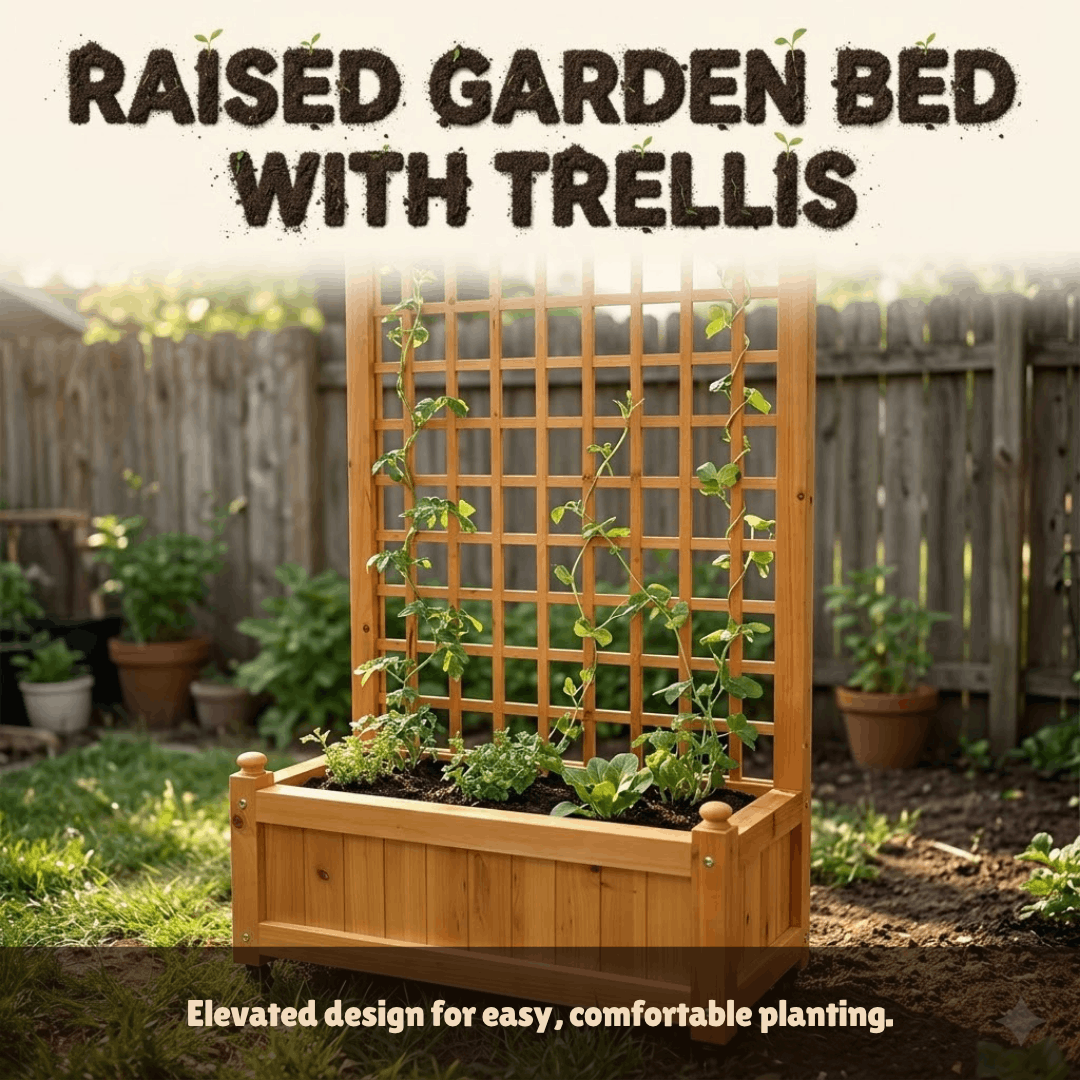
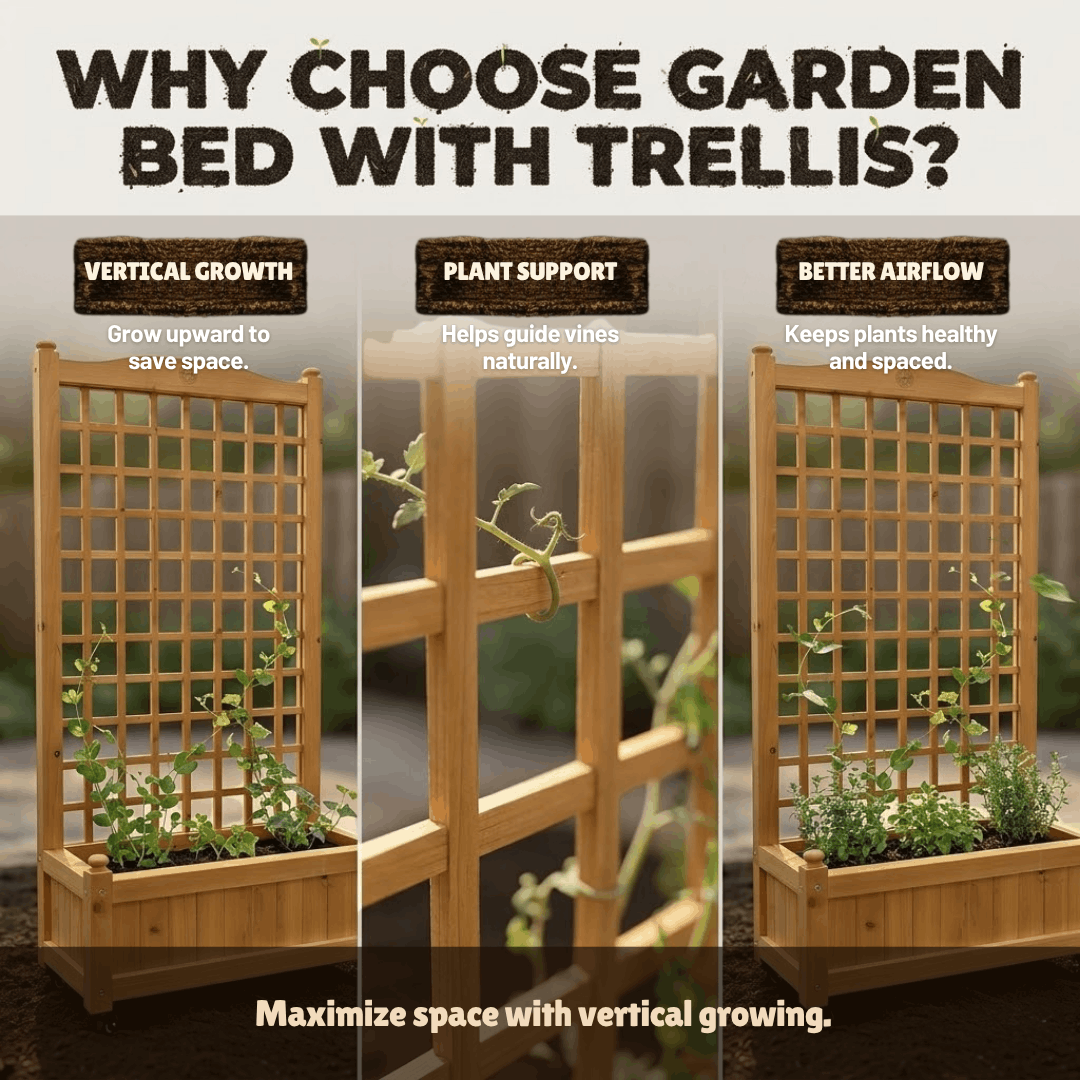
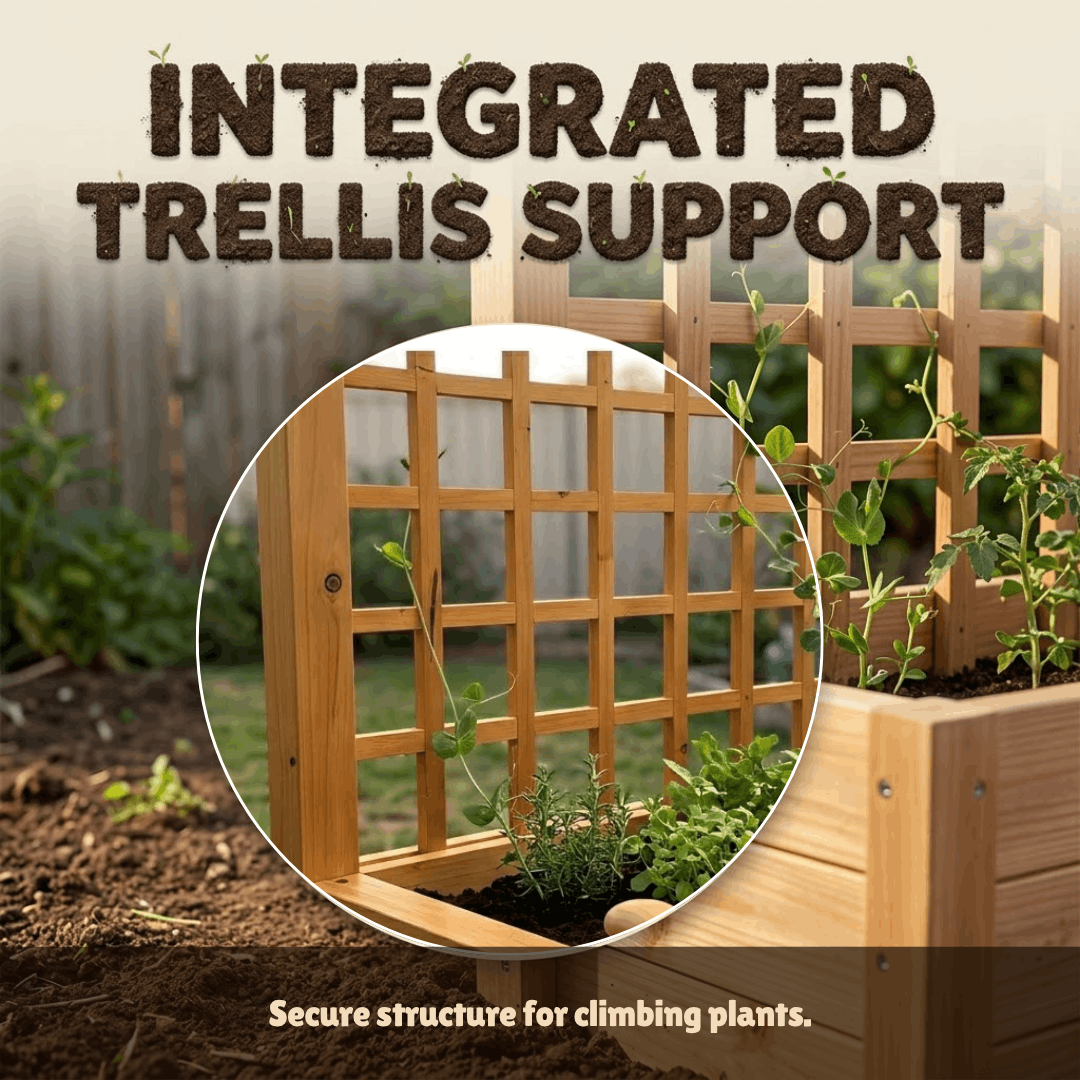
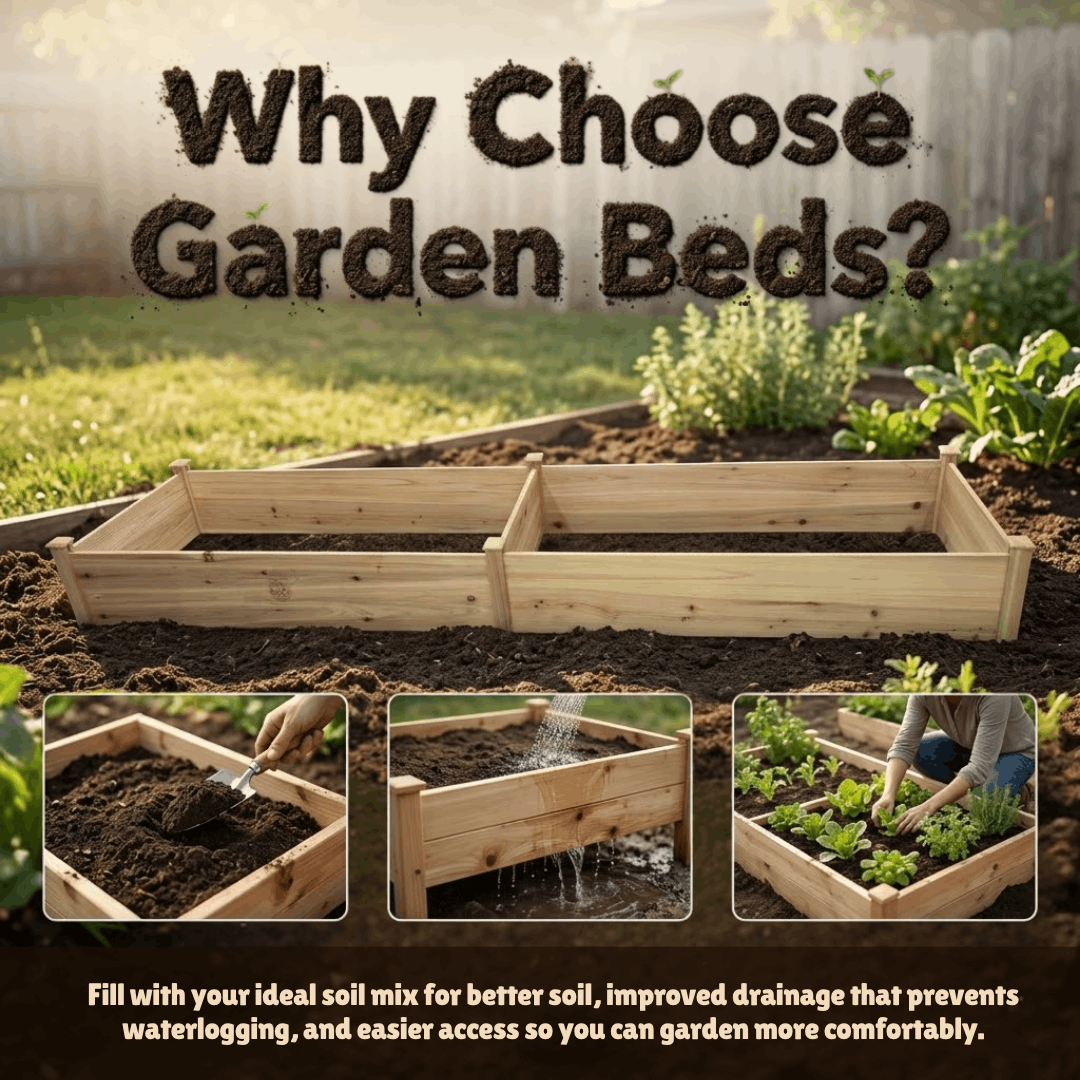
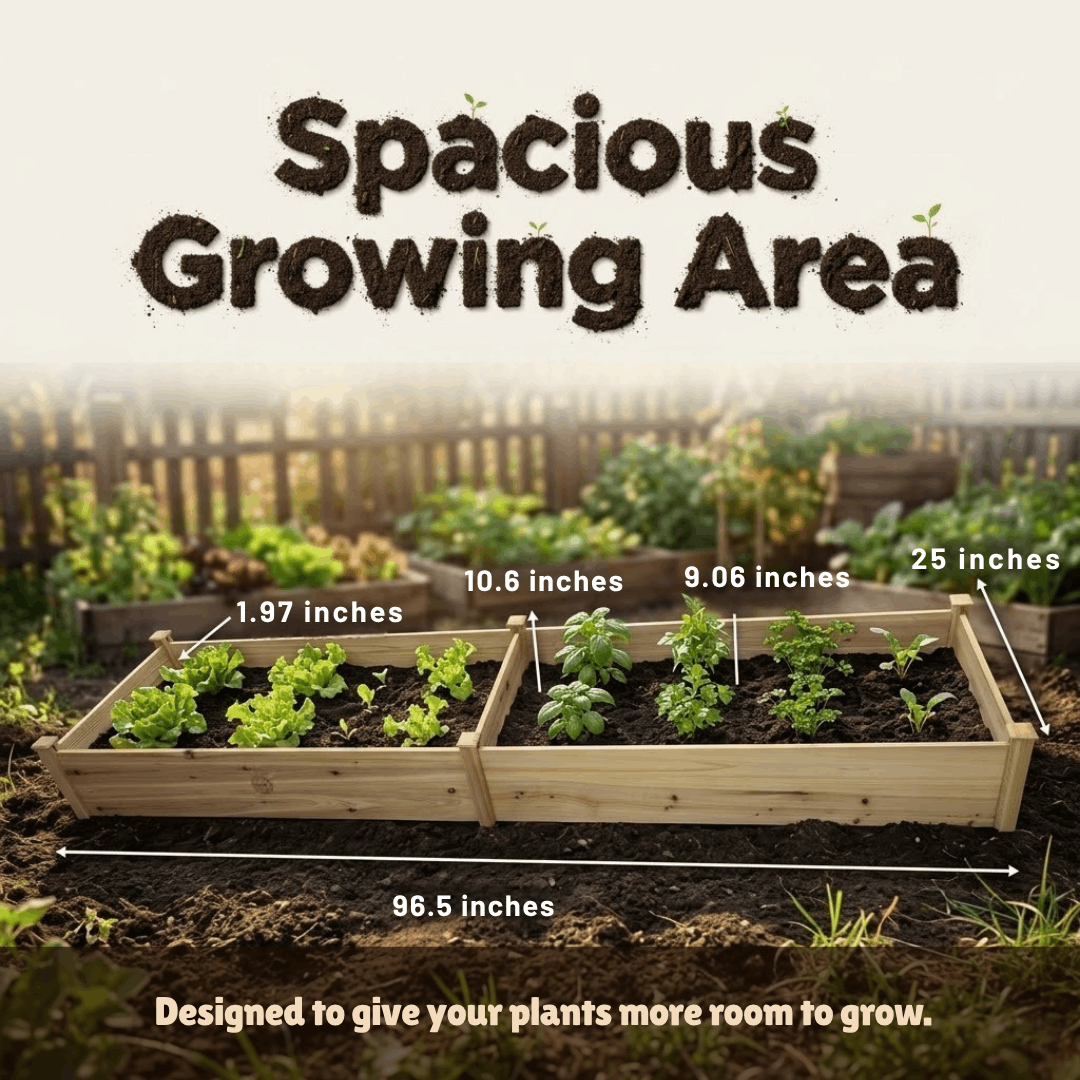 96.5 inches long — 25 inches wide — 9 inches deep — 2 sections
That's enough room to grow tomatoes on one side and a full herb garden on the other. Or lettuce and peppers. Or flowers for the pollinators and vegetables for the table. You decide — and you've got the space to do it right.
96.5 inches long — 25 inches wide — 9 inches deep — 2 sections
That's enough room to grow tomatoes on one side and a full herb garden on the other. Or lettuce and peppers. Or flowers for the pollinators and vegetables for the table. You decide — and you've got the space to do it right.
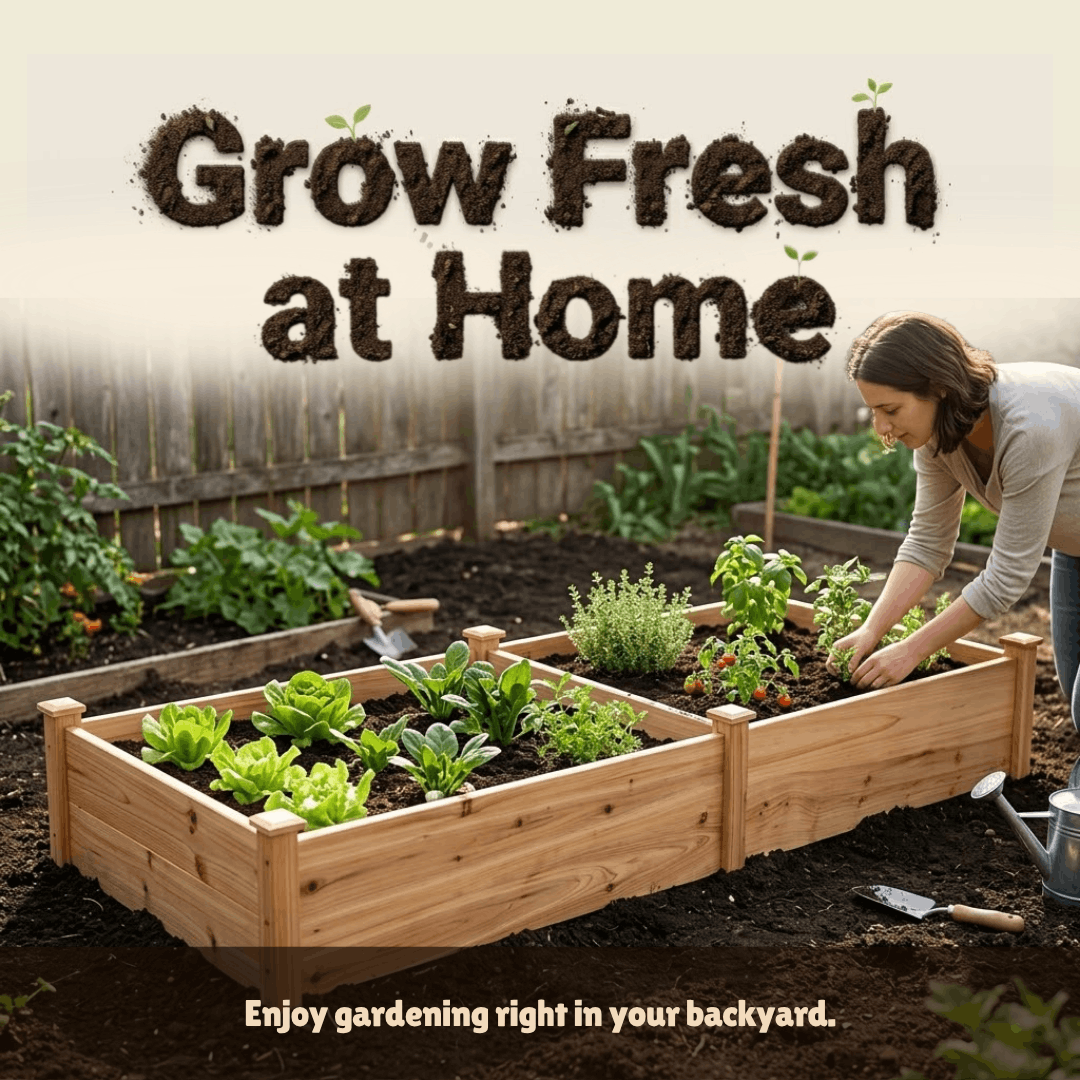 Two sections changes how you garden.
One of the smartest things about this design is the divider. You're not just getting more space — you're getting two separate environments in one footprint. Rotate your crops properly. Keep aggressive plants from taking over. Grow something completely different on each side. It's a small thing that makes a big difference by midsummer.
The depth actually matters.
Nine inches of growing depth is what separates a productive raised bed from a glorified planter box. Roots need room to go down — and when they can, your plants stop struggling and start thriving. You'll see the difference in weeks.
You're in charge of the soil.
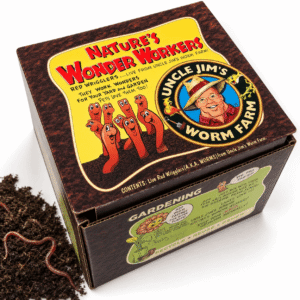
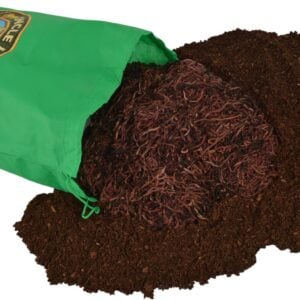
This is the biggest advantage of any raised bed, and it never gets old. No fighting clay. No rocks. No compacted ground. Fill it with exactly what your plants need — good compost, a quality mix, and if you really want to see results, a handful of worm castings worked in. Your plants will take off.
Two sections changes how you garden.
One of the smartest things about this design is the divider. You're not just getting more space — you're getting two separate environments in one footprint. Rotate your crops properly. Keep aggressive plants from taking over. Grow something completely different on each side. It's a small thing that makes a big difference by midsummer.
The depth actually matters.
Nine inches of growing depth is what separates a productive raised bed from a glorified planter box. Roots need room to go down — and when they can, your plants stop struggling and start thriving. You'll see the difference in weeks.
You're in charge of the soil.
This is the biggest advantage of any raised bed, and it never gets old. No fighting clay. No rocks. No compacted ground. Fill it with exactly what your plants need — good compost, a quality mix, and if you really want to see results, a handful of worm castings worked in. Your plants will take off.