

Description
Your garden called. It wants compost delivered underground.
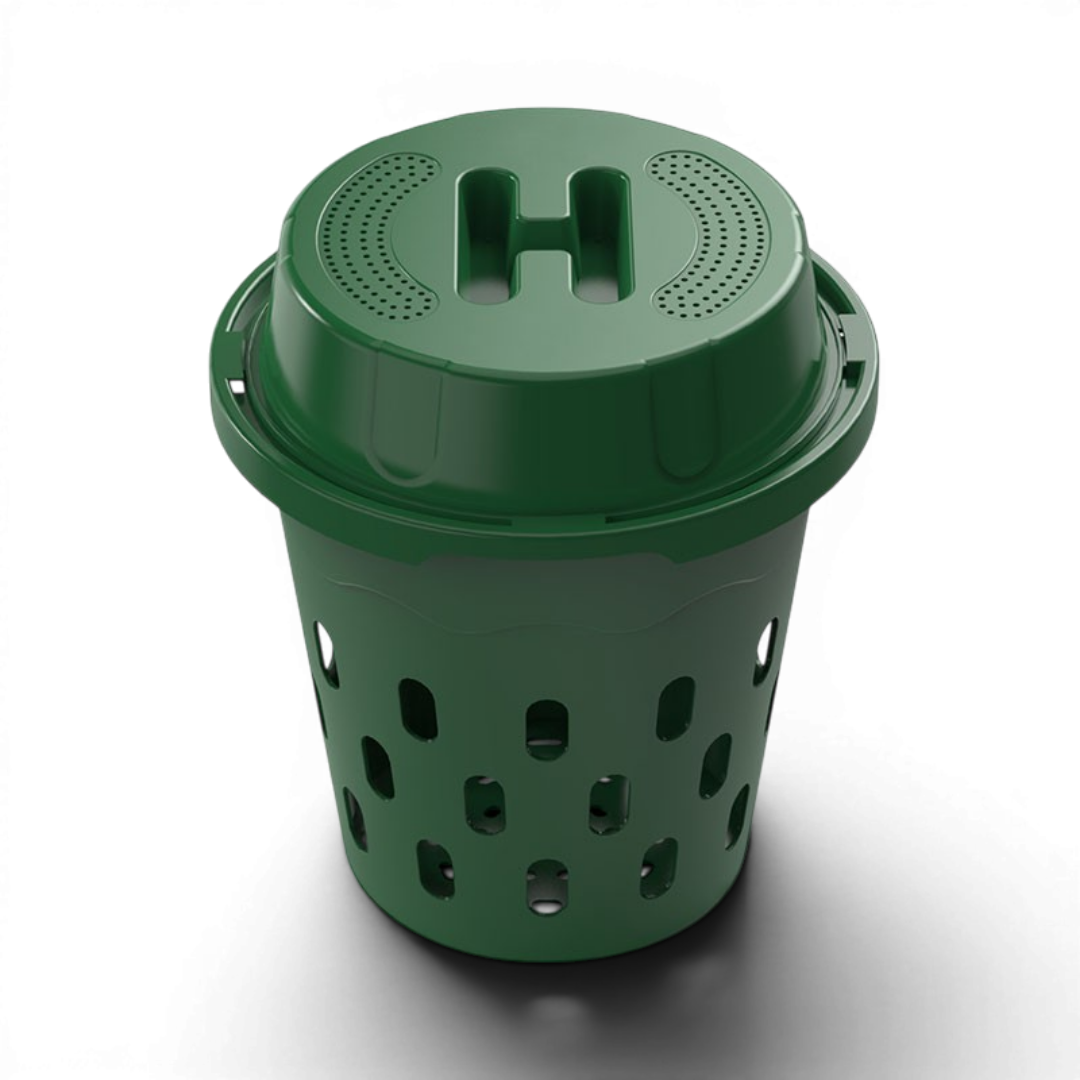
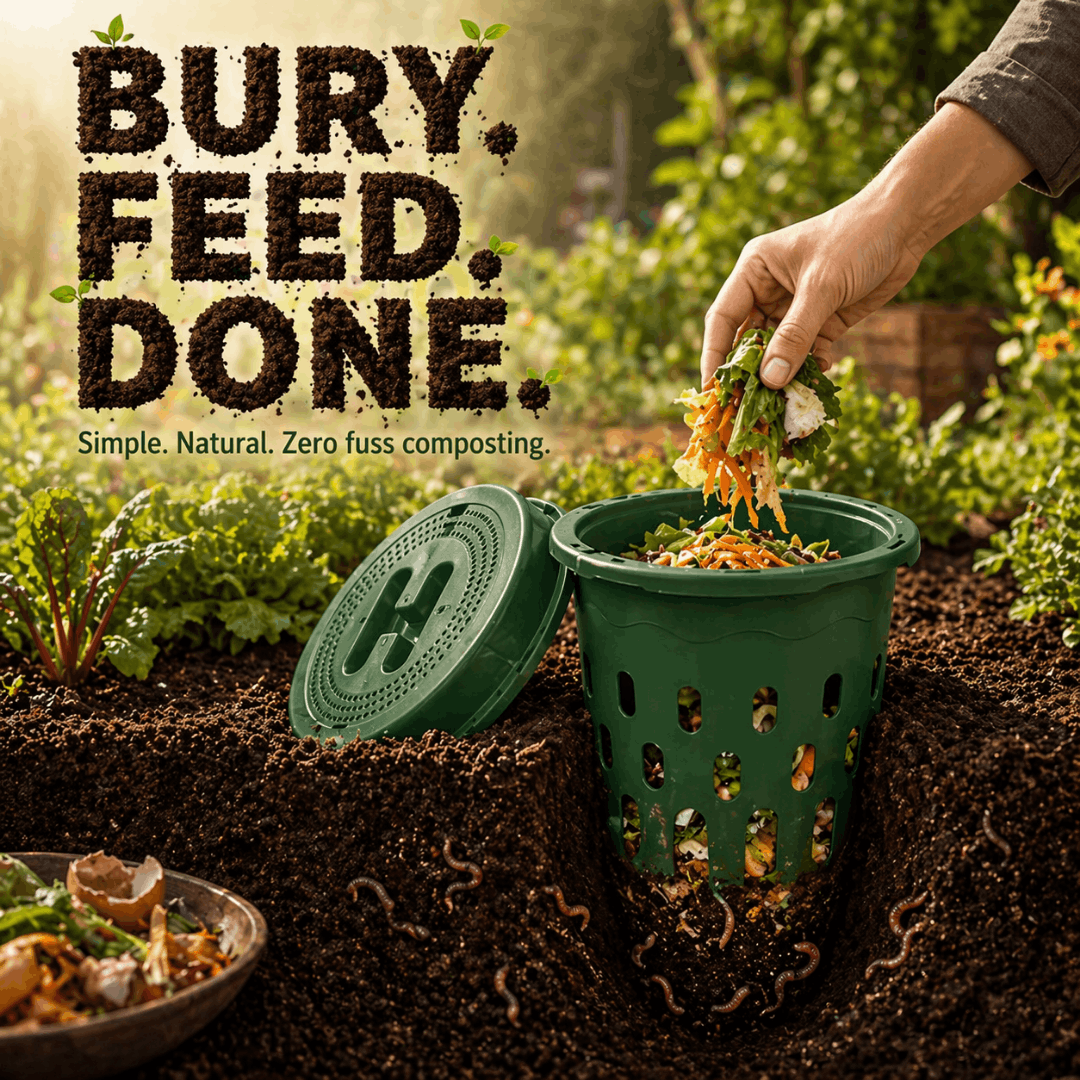
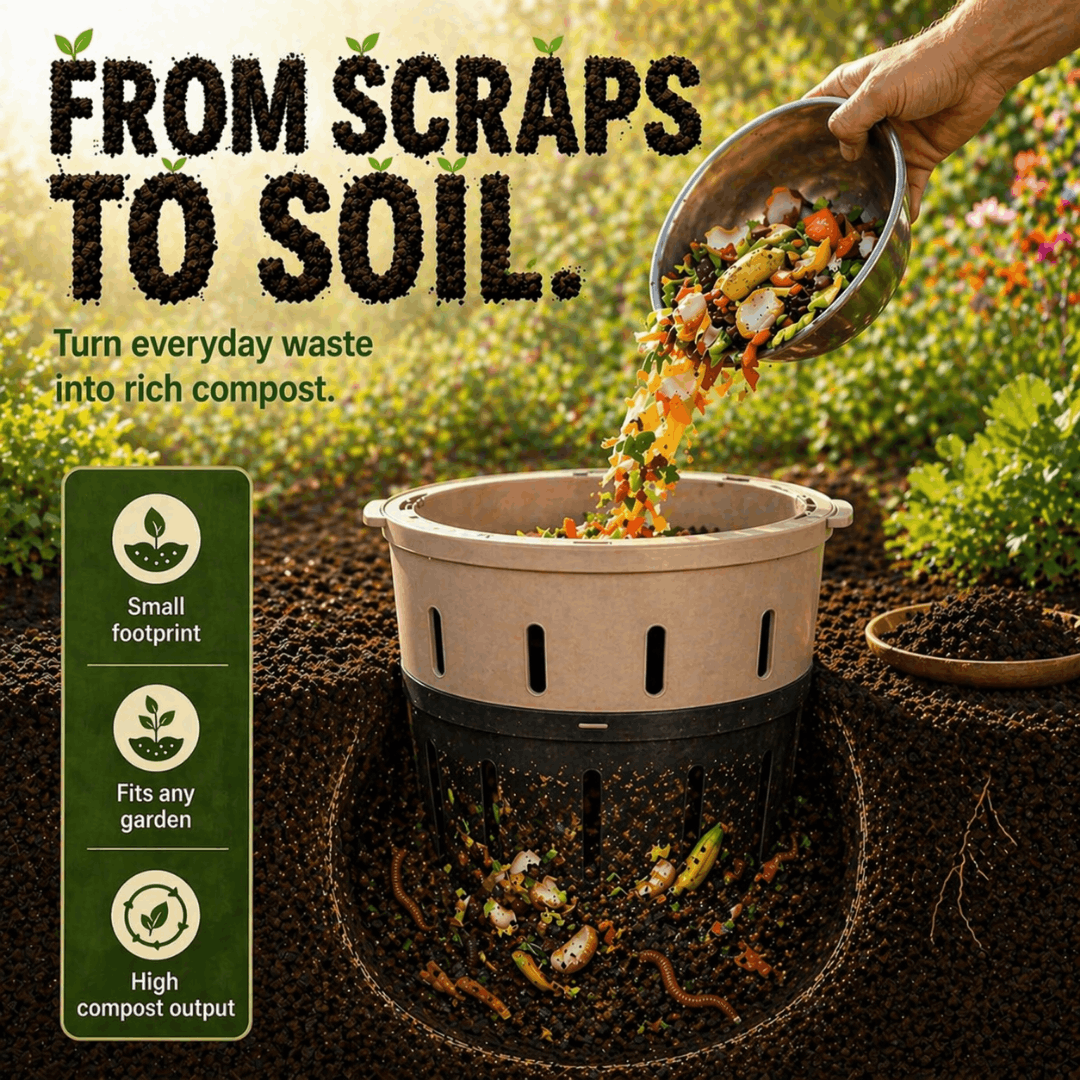
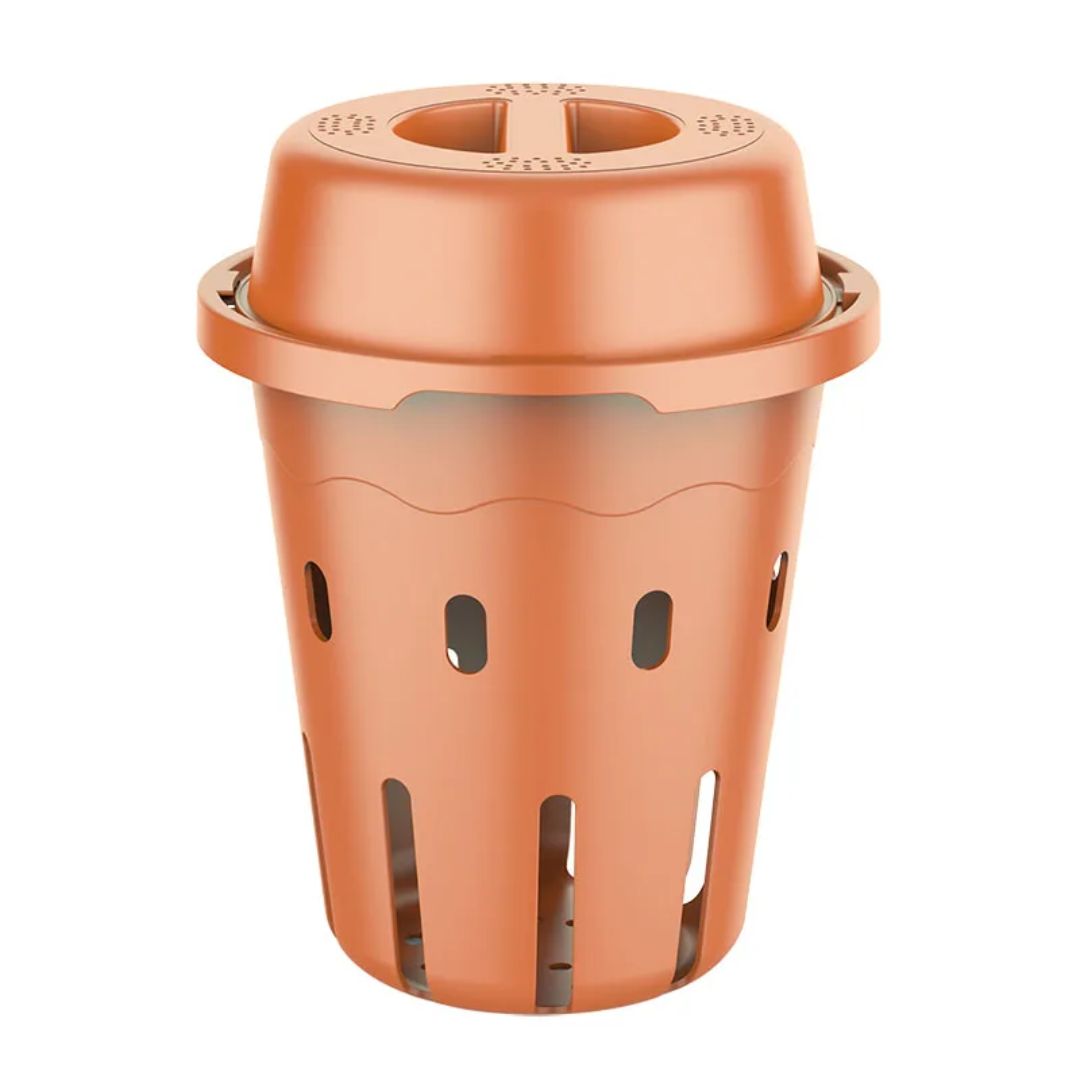
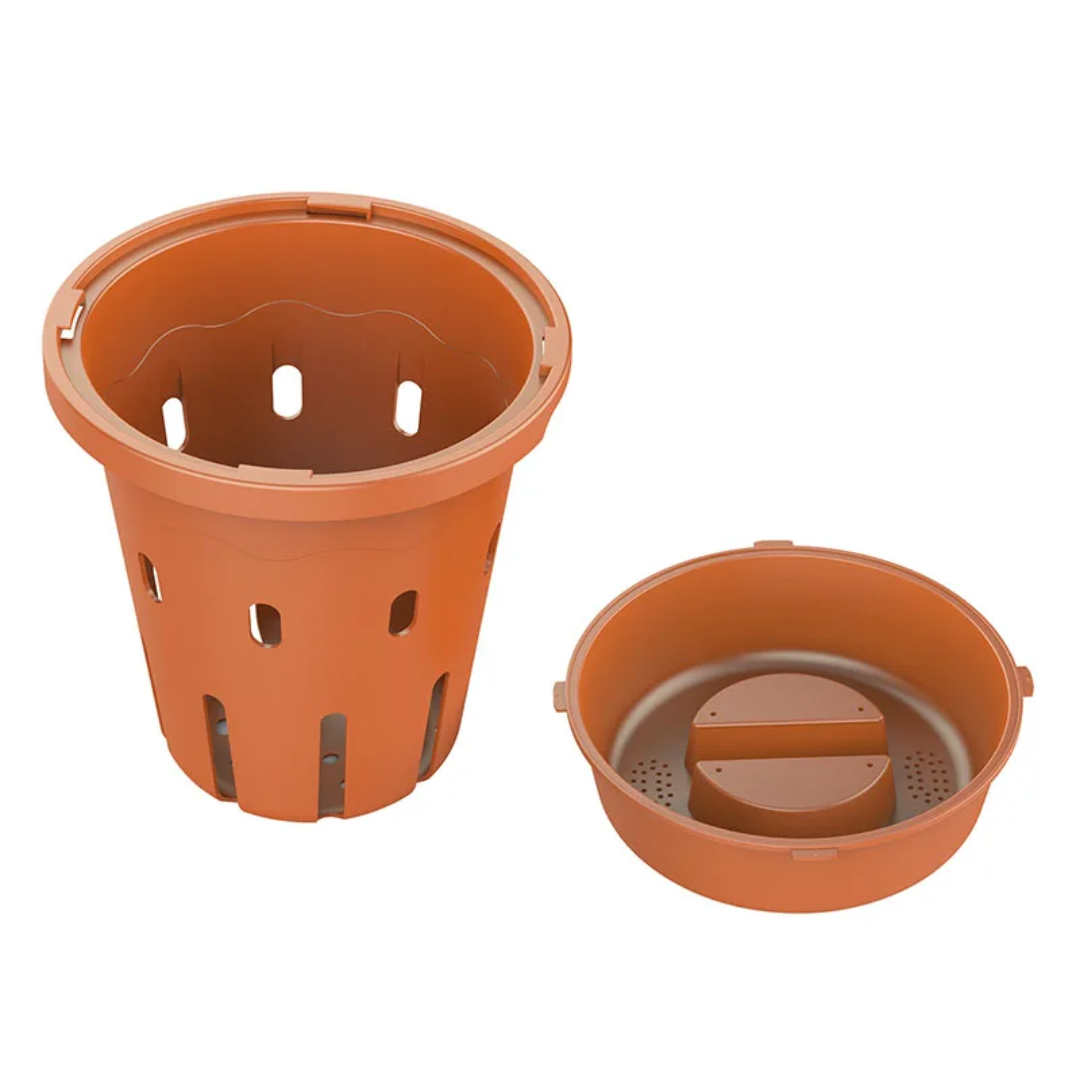
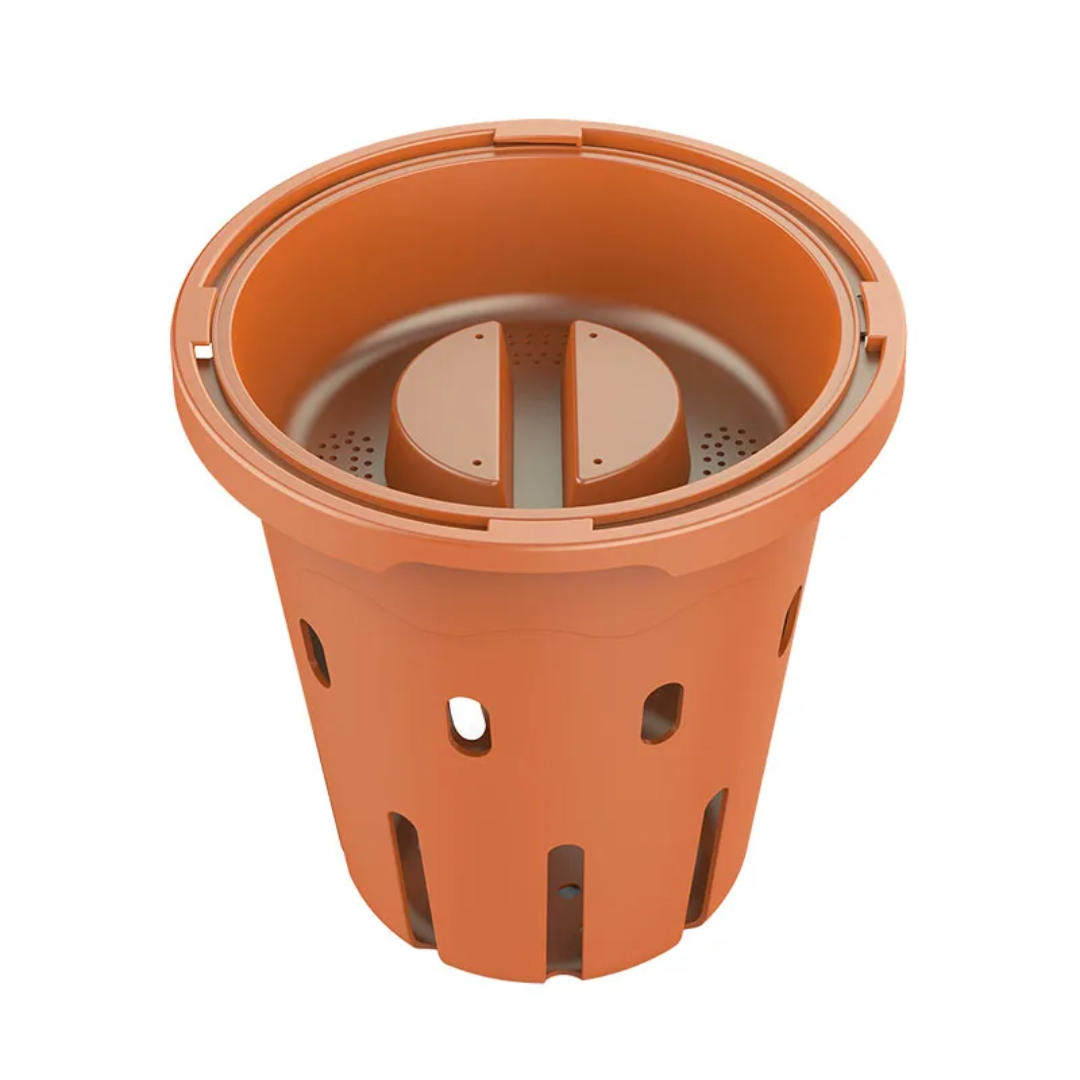
A traditional compost bin makes compost somewhere else. This puts the feeding station inside the soil, so worms can move through the chamber openings, munch on scraps, and carry the benefits into the surrounding bed.
More worm-powered garden action.
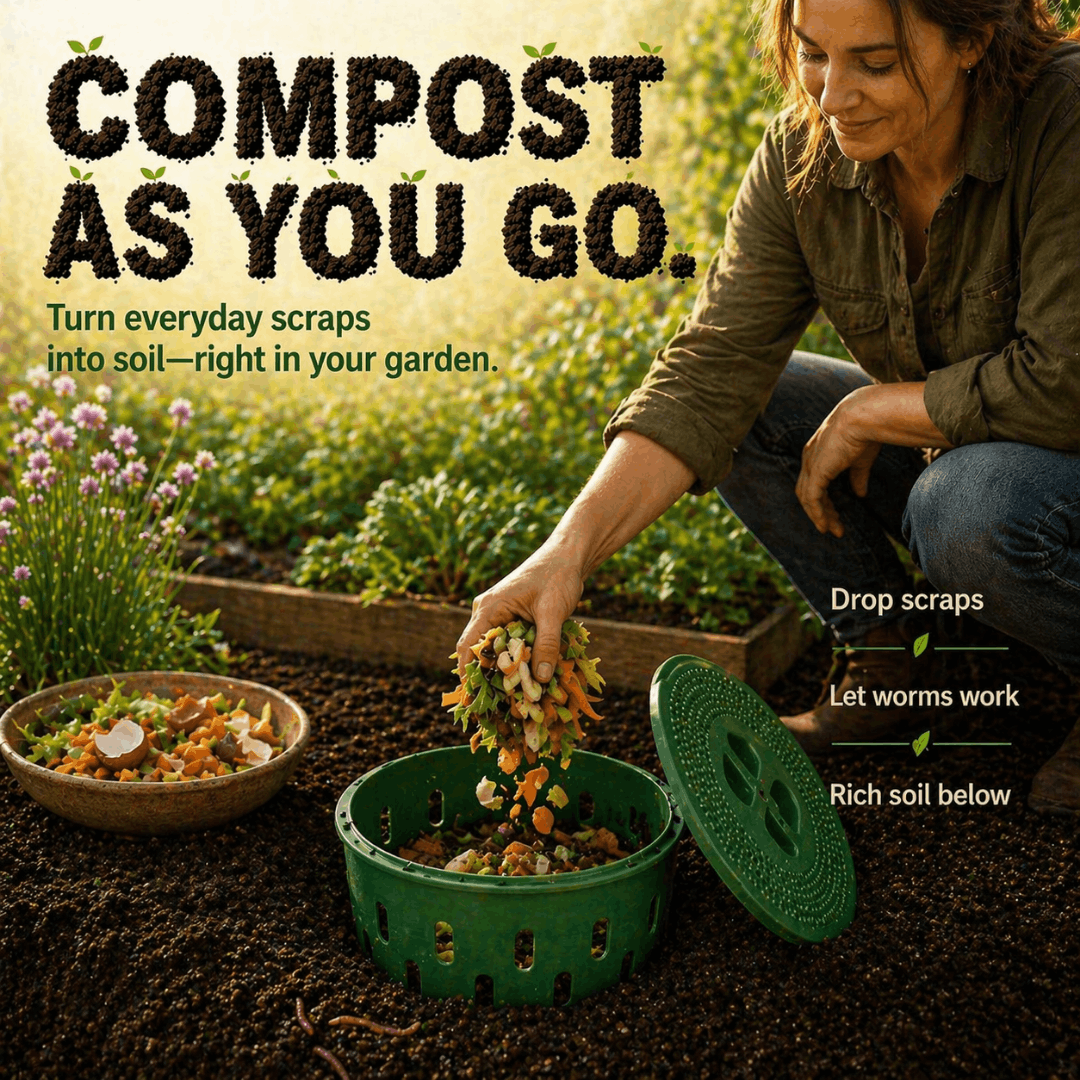
Scraps go in. Worms wiggle through. Soil gets the goodies.
The chamber creates a tidy feeding zone in the garden. You add worm-friendly scraps and bedding, keep the contents moist, and let composting worms move in and out. It feels simple because it is simple: the composting happens right where the growing happens.
Drop in two mini compost hubs.
Put one chamber near each end of a raised bed, or split the pair between two boxes so more of your garden gets a feeding station.
Feed the garden without leaving it.
Tomatoes, peppers, herbs, greens, squash, and flowers all love a garden routine that keeps organic matter cycling nearby.
No compost pile confidence required.
If turning piles and hauling finished compost sounds like a chore, this gives you a cleaner, simpler place to start outdoors.
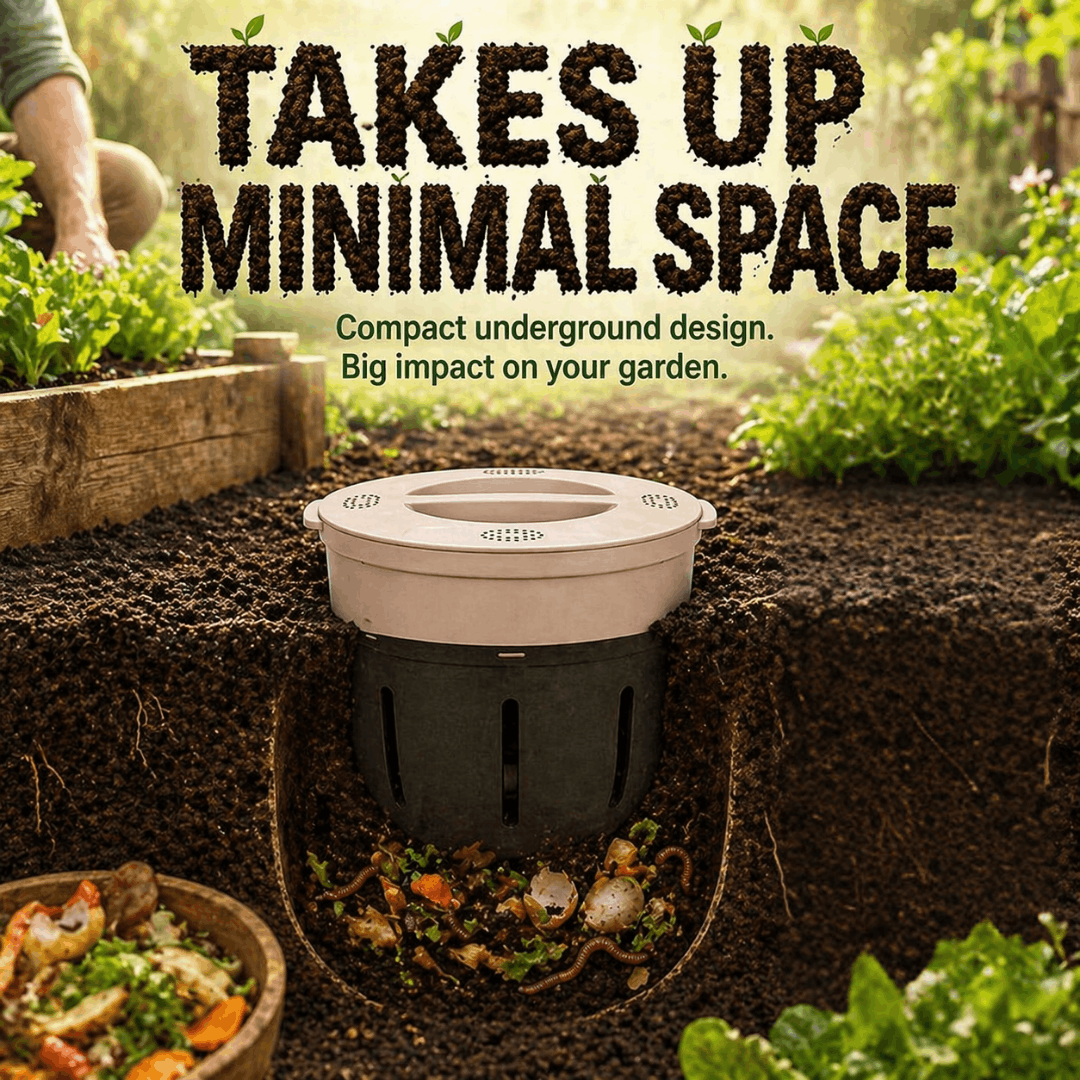
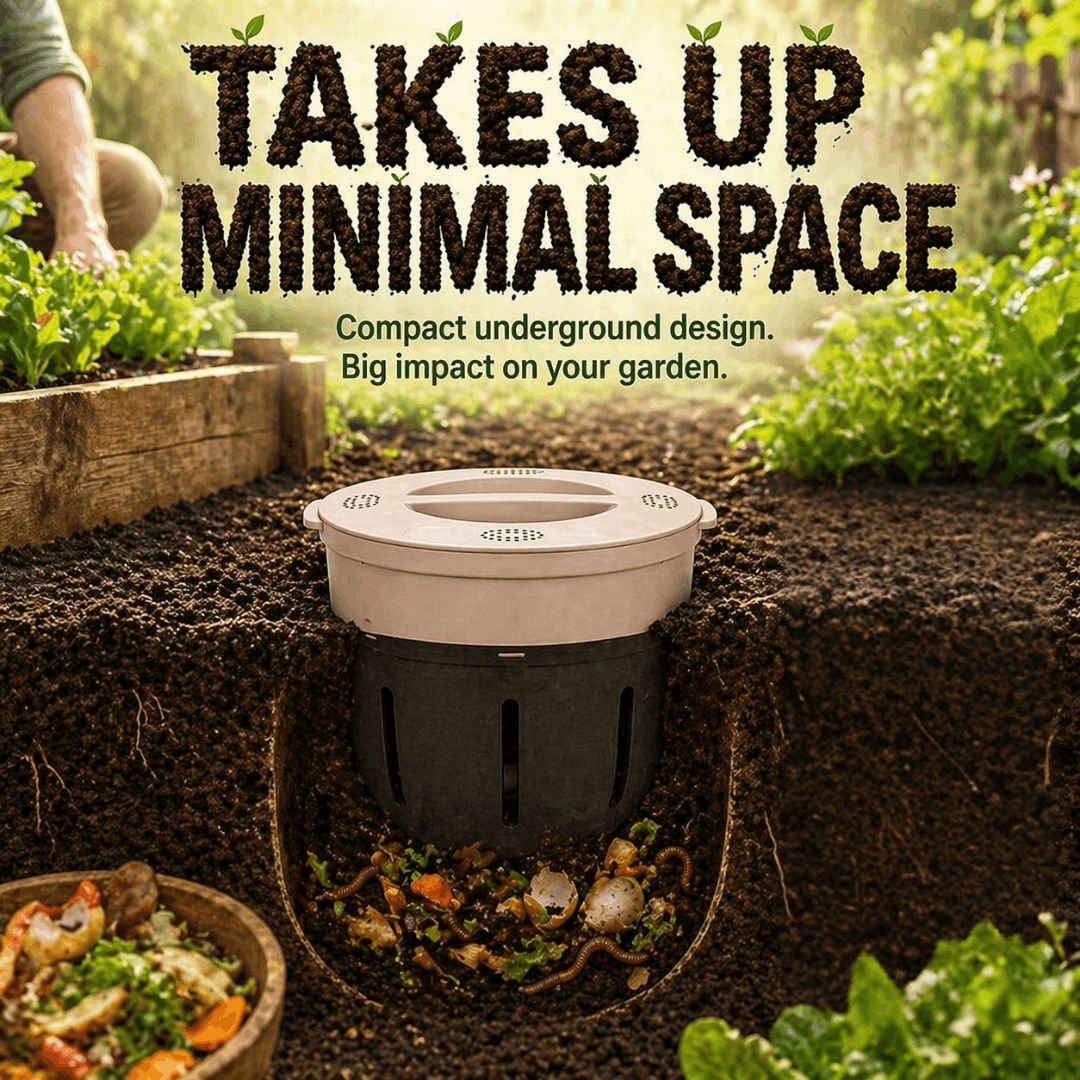
Compost without the big backyard footprint.
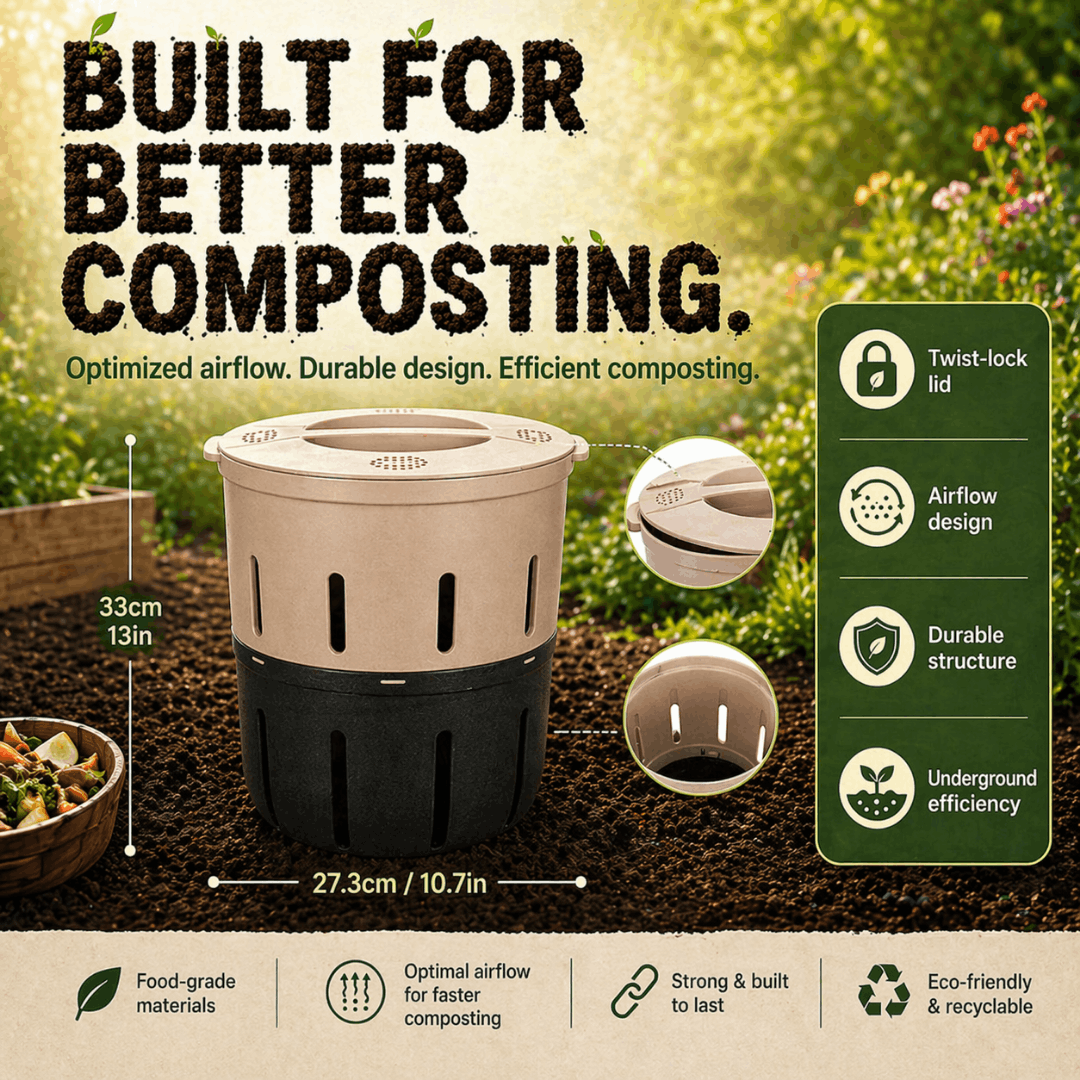
The chamber tucks into the soil and keeps the action contained, making it a smart fit for compact outdoor growing spaces.
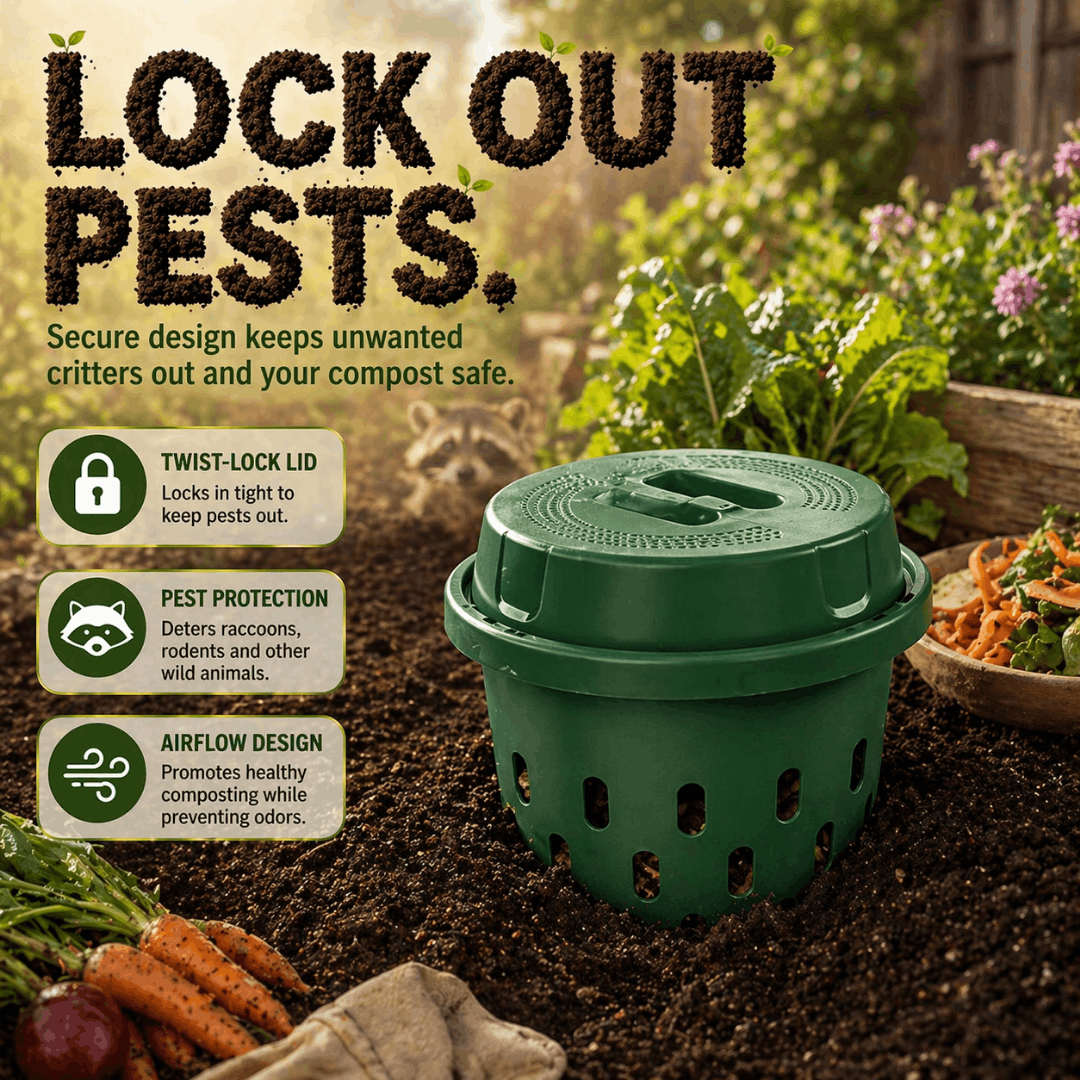
Bury the buffet where roots live.
The chamber sits in the garden soil, giving worms a protected place to gather, feed, and move through the surrounding bed.
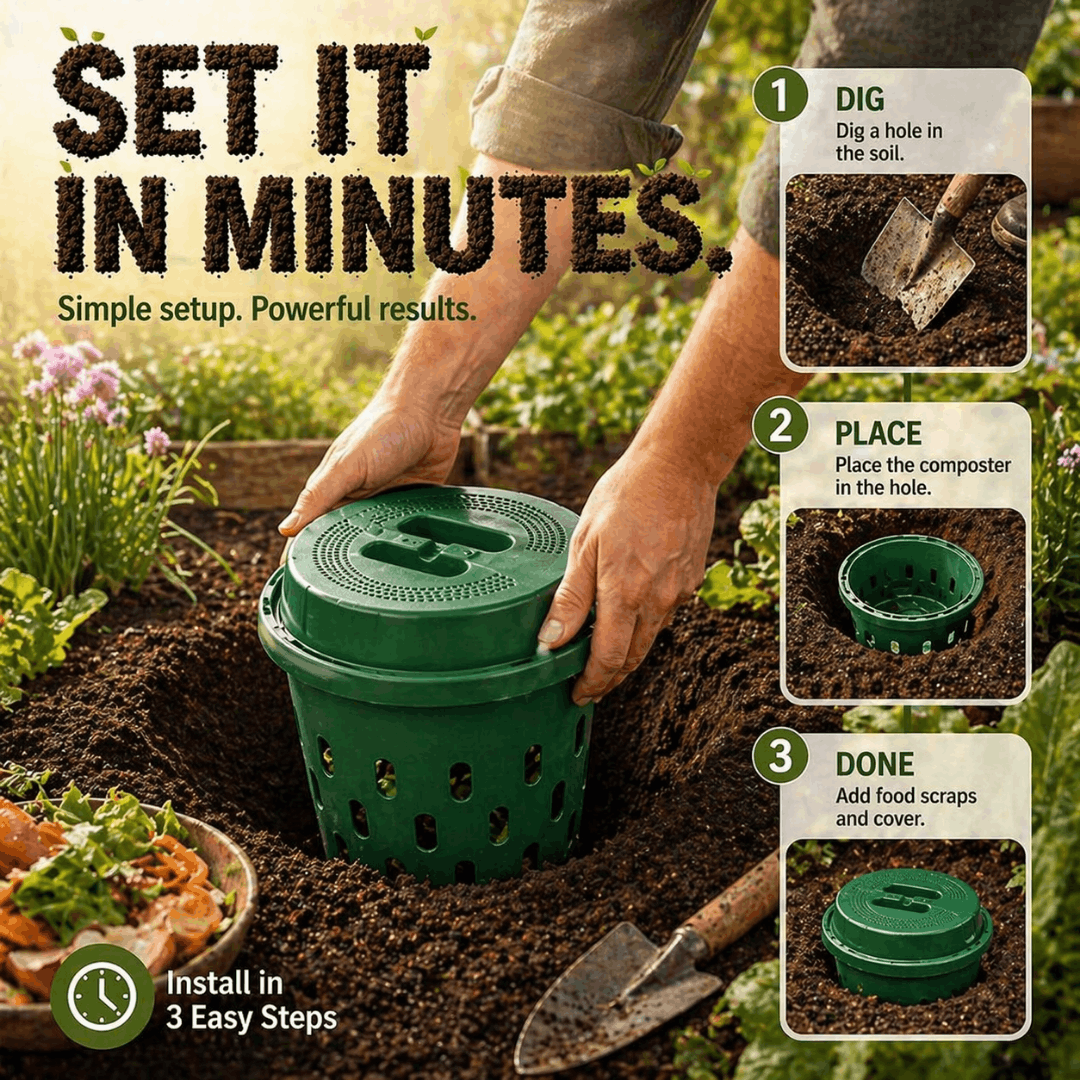
Feed it, lid it, forget the fuss.
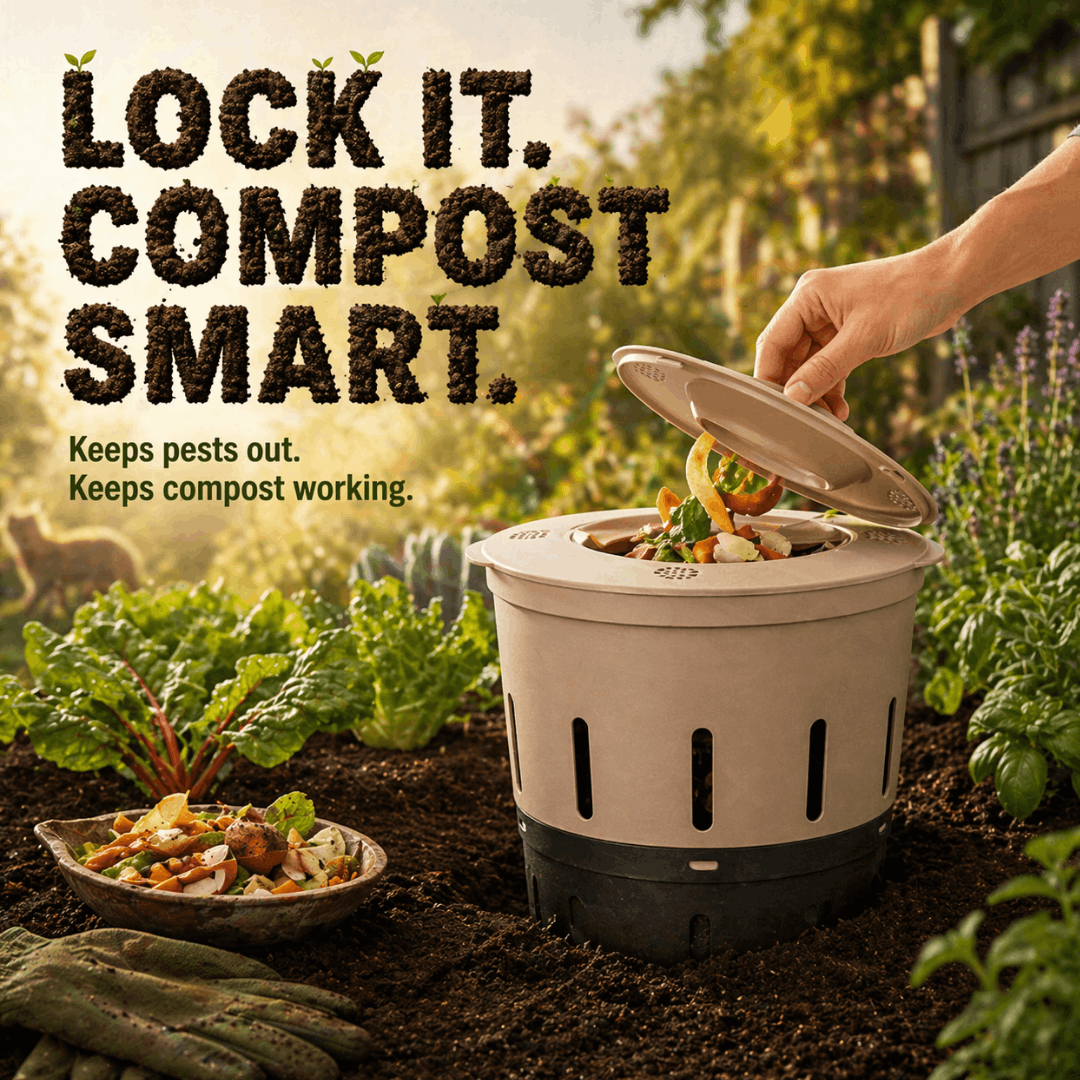
Add scraps in sensible amounts, close the lid, and keep composting outdoors where garden folks want it.
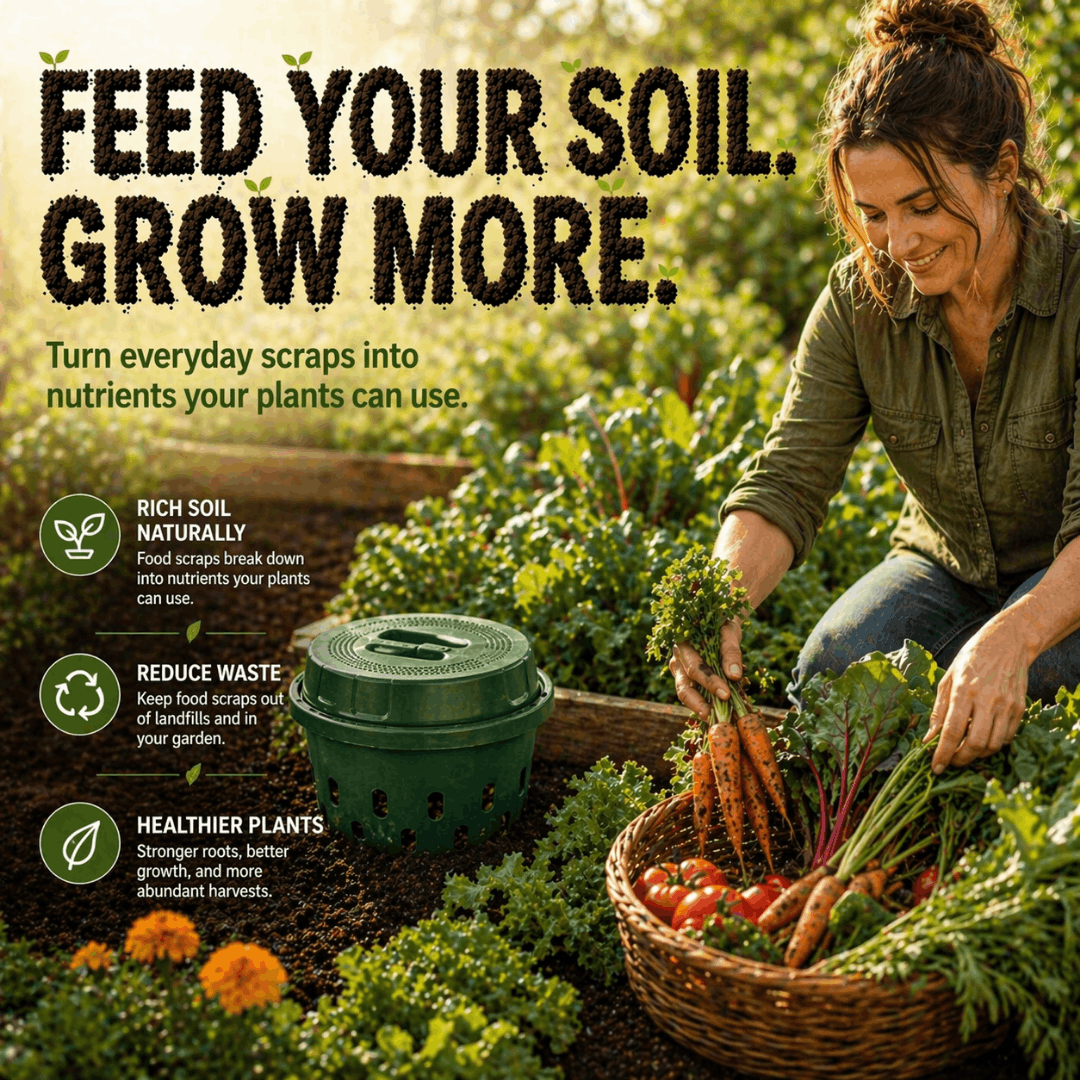
Start like a snack, not a buffet explosion.
Begin with damp bedding and a small amount of food. The inside should feel like a wrung-out sponge: moist, not swampy, and definitely not crunchy-dry.
Let the worm crew settle in first. Once they are working through the food, increase feeding gradually and keep the chamber covered.
Serve the good stuff. Skip the stinky stuff.
A happier chamber starts with worm-friendly foods, moisture, bedding, and patience.
Put these in
Fruit and vegetable scraps are the classic starting point, especially in smaller amounts while worms settle in.
Coffee grounds, tea bags, and crushed eggshells can join the routine as part of a balanced chamber.
Shredded cardboard and paper help keep the chamber bedding-friendly and comfortable.
Keep these out
Meat and dairy can invite odors, pests, and unhappy worm conditions.
Oily foods and salty leftovers are not worm-party material.
Huge food dumps can sour before the worms can keep up, so feed lightly at first.
One chamber is nice. Two lets your garden spread out.
With two chambers, customers can cover more ground without buying twice. It is an easy value story: more placement options, more feeding zones, and more flexibility for garden layouts.
Use both in one big bed
Place one on each side for a wider underground feeding setup.
Split between two beds
Give each garden box its own composting station.
Test two planting zones
Try one near vegetables and one near herbs, flowers, or another hungry area.
This is the kind of garden gadget worms can actually use.
Uncle Jim’s Worm Farm has been helping customers compost, garden, fish, and feed animals with live worms for decades. The Inground Composting Chamber gives those hardworking worms a practical place to do what they do best: move, eat, and help recycle organic matter in the garden.
Questions before you dig?
Real people answer.
800-373-0555
Monday through Friday, 10am to 6pm Eastern
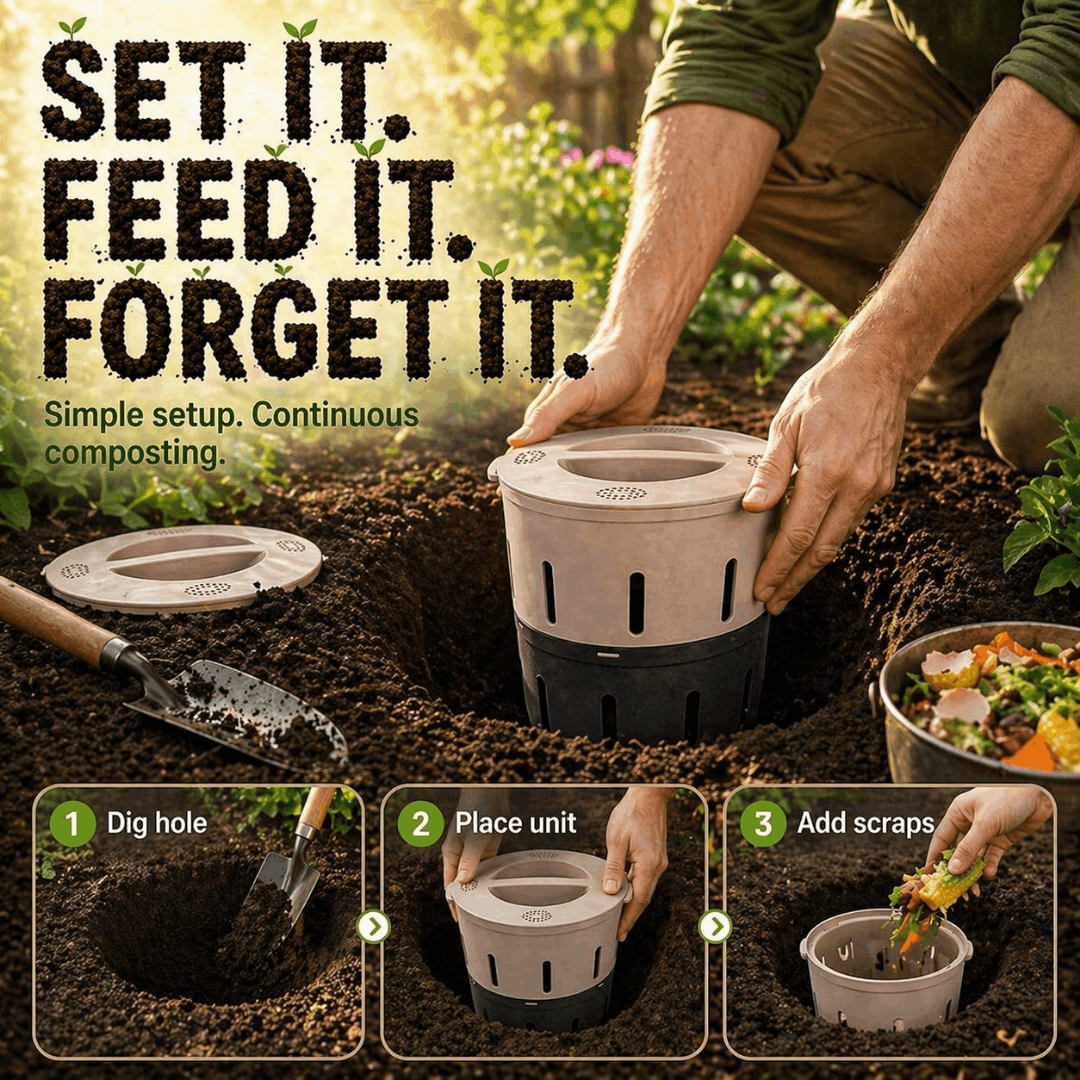
Bury it. Feed it. Let the wiggle crew work.
Get the Uncle Jim’s Inground Composting Chamber™ 2-Pack with free shipping and give your garden two tidy places to turn scraps into below-ground worm activity.
Free shipping • 2 chambers • Outdoor garden composting • Great for raised beds and hungry soil