

Description
A 3-Pack Makes Sense
Grow more at once, compare plants side by side, or spread your garden across a patio, porch, and sunny corner.
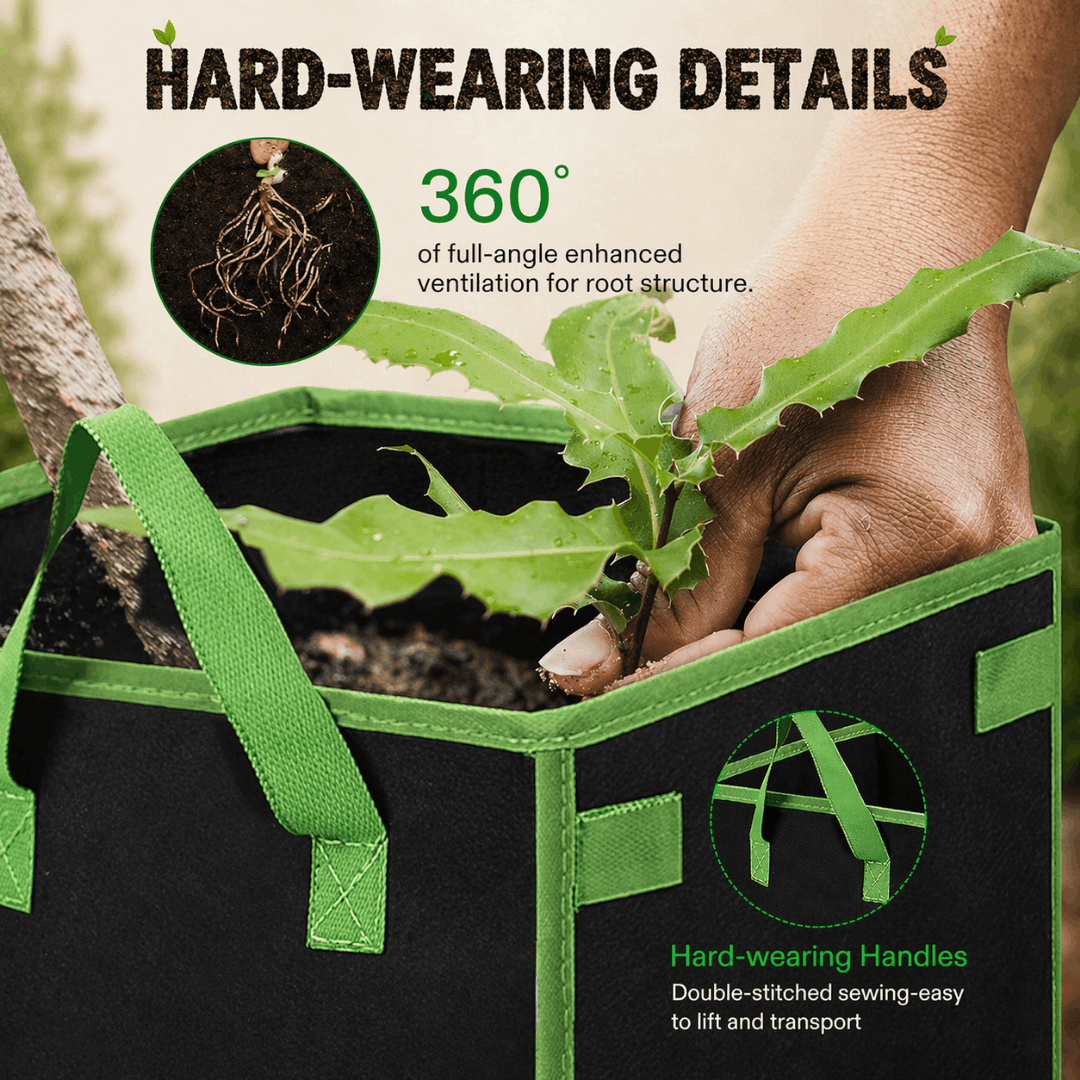
Thick, Durable Fabric
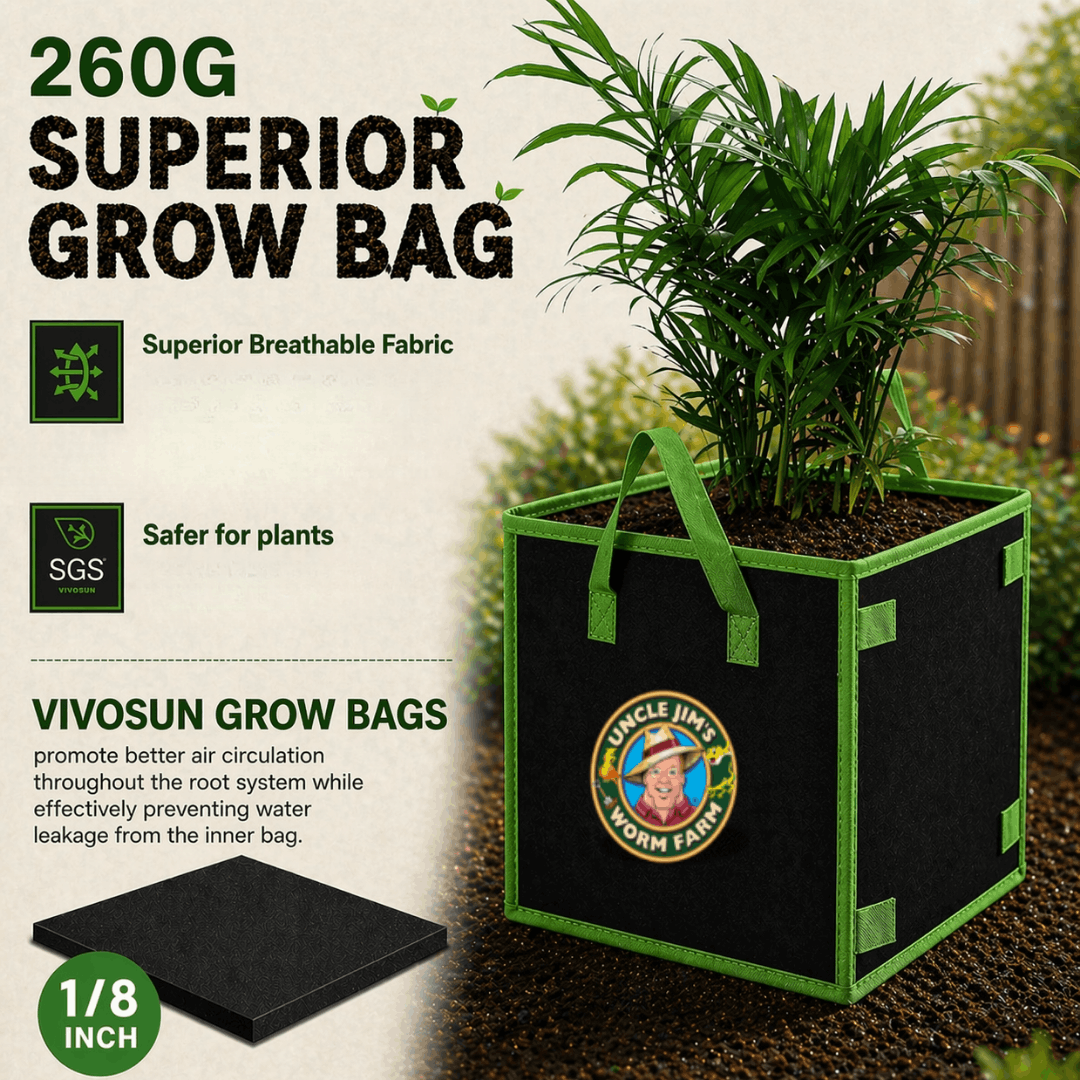
Built with extra-thick breathable fabric designed to hold soil, roots, water, and real garden use season after season.
Better Root Breathing
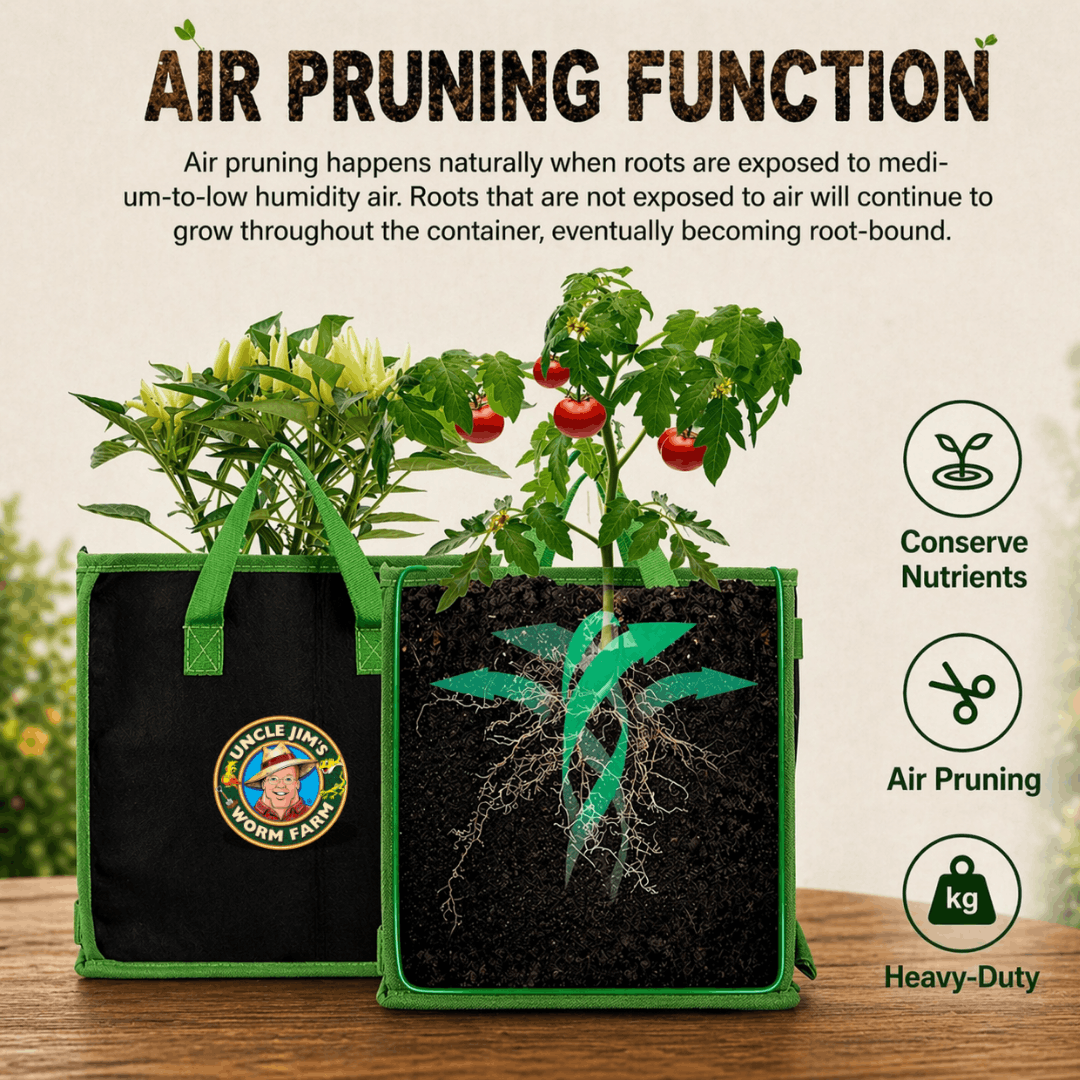
Breathable sides help roots access air and encourage a fuller root system instead of tight circling in hard pots.
Handles That Help
Double-stitched handles make it easier to place, turn, and reposition your bags as the sun and seasons change.
Why Gardeners Grab the 3-Pack
One bag is useful. Three bags starts a garden.
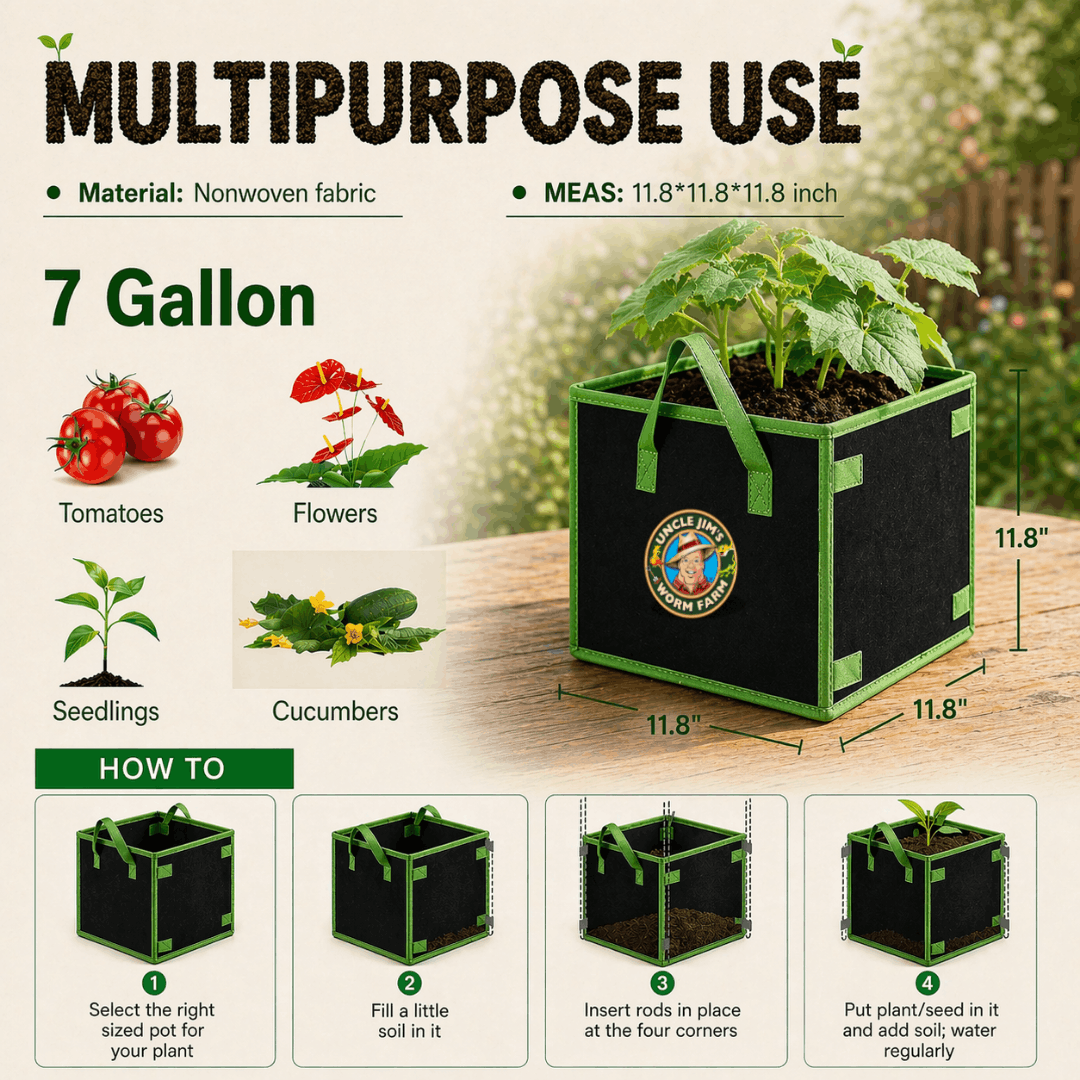
A single planter is nice. But three matching grow bags let you actually plan a harvest. Put tomatoes in one, peppers in one, and basil in one. Try flowers in the front, herbs by the kitchen door, and cucumbers near a trellis. Give one to a kid, one to a neighbor, and keep one for yourself. This is the kind of practical garden gear that gets used.
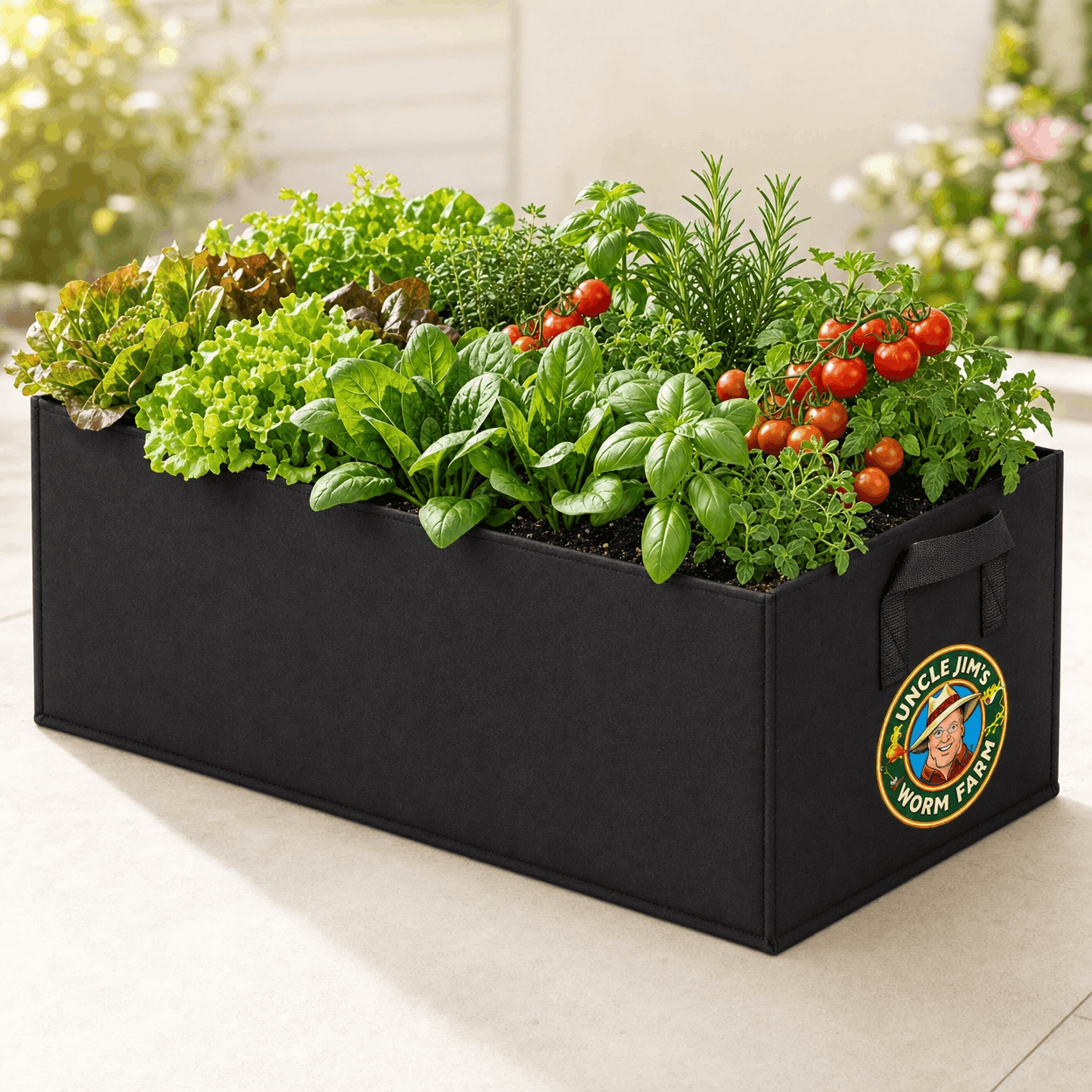
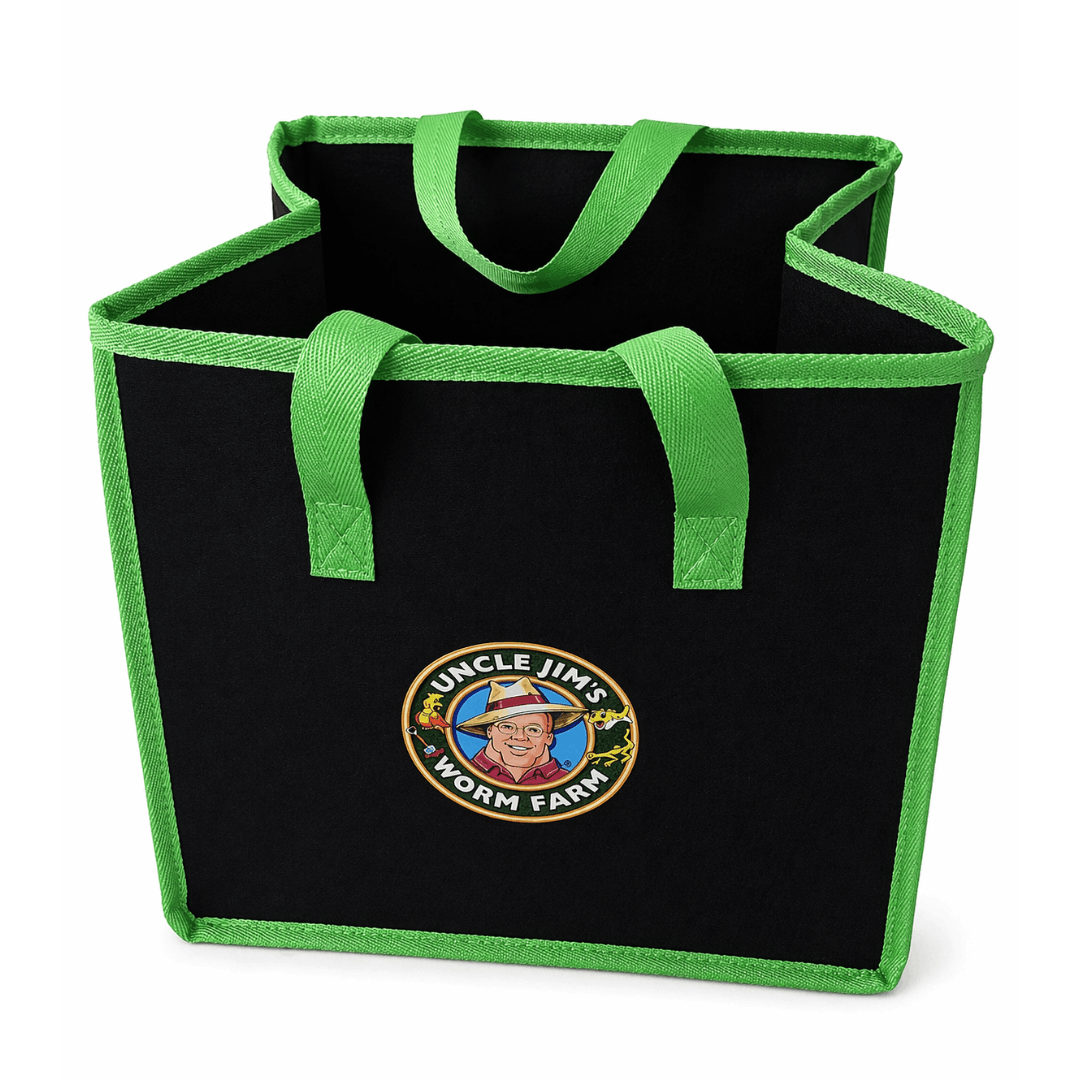
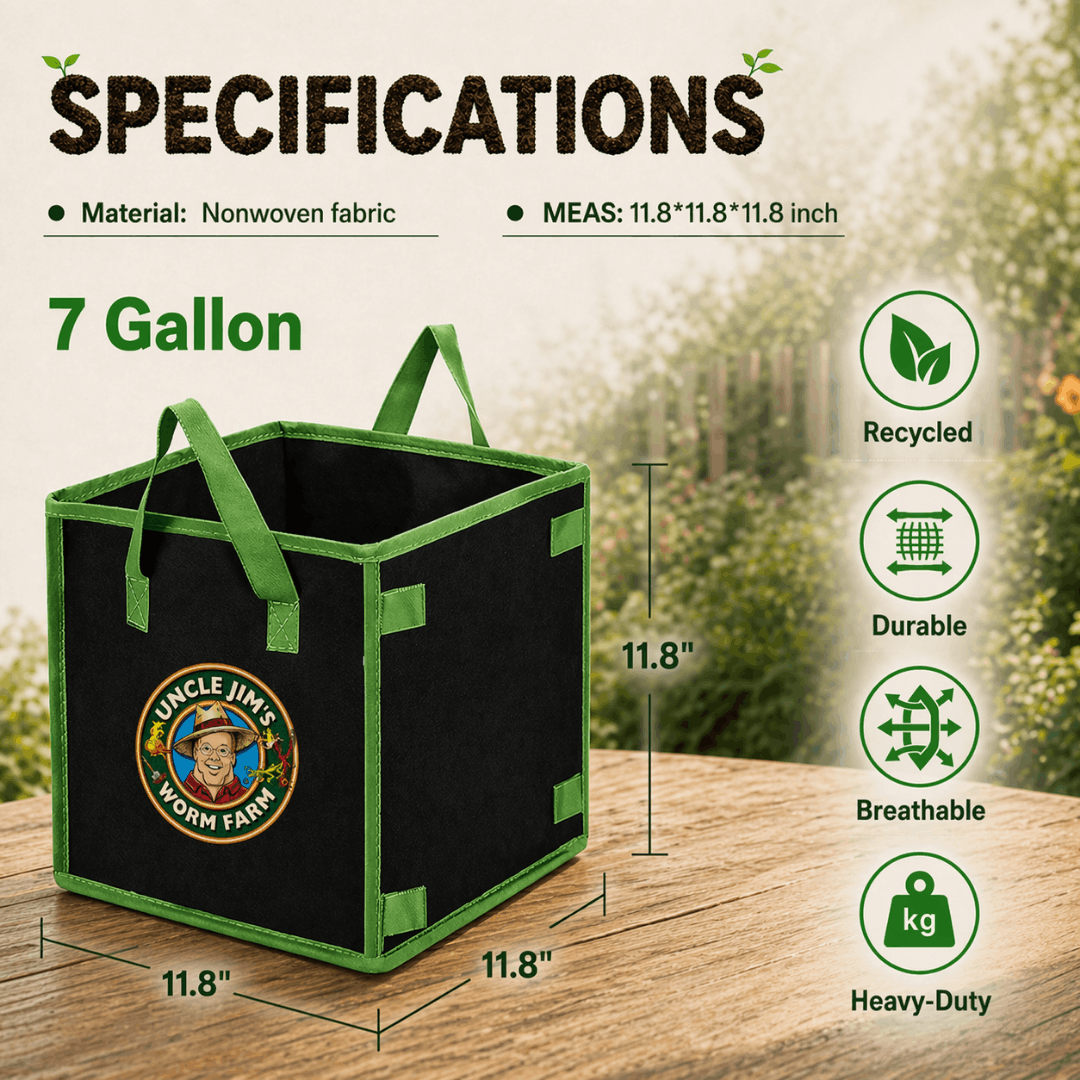
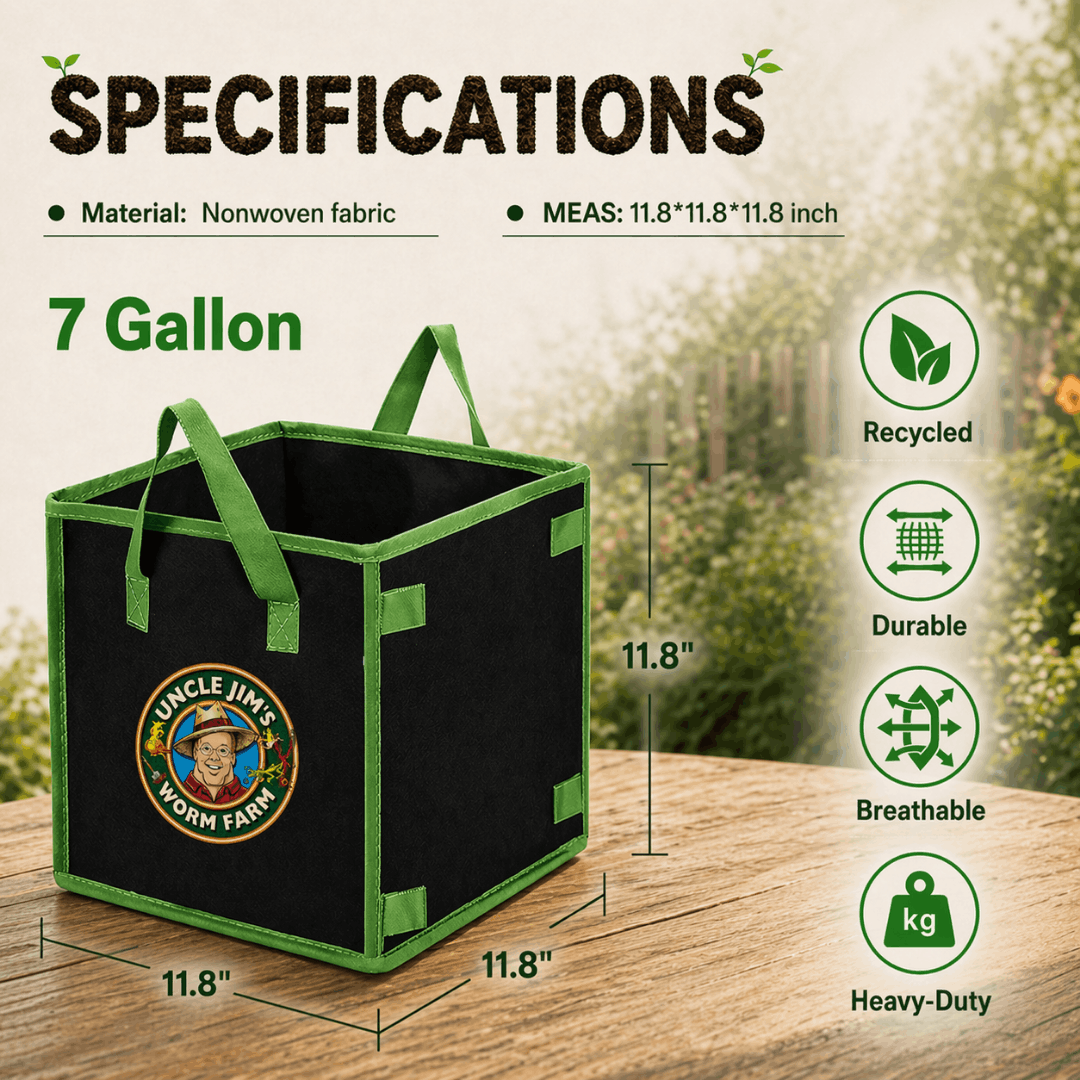
Each bag measures about 11.8 inches by 11.8 inches by 11.8 inches, giving your plants a roomy square home while still fitting nicely in tight spaces.
What arrives: three 7-gallon fabric grow bags with green trim, reinforced details, and double-stitched handles.
The Root-Zone Advantage
Plastic pots trap roots. Fabric bags let them breathe.
When roots hit a hard plastic wall, they often circle around and around. In a breathable fabric grow bag, roots meet air at the edges, which encourages them to branch inside the soil. More branching means a fuller root system, and a fuller root system helps support a healthier plant above the soil.
Three Bags, Endless Garden Combos
What will you grow first?
The fun of a 3-pack is that you do not have to choose just one plant. Build a practical little food garden, add color to the porch, or keep fresh herbs close to the kitchen.
The Salsa Garden
Plant a tomato, a pepper, and cilantro or basil. Add sunshine, water, and a little worm casting goodness.
The Porch Herb Patch
Keep basil, parsley, mint, thyme, oregano, or rosemary close by so dinner gets a fresh garden upgrade.
The Color Corner
Fill the set with flowers, strawberries, leafy greens, or ornamental plants for a bright, living display.
Peppers
Herbs
Flowers
Cucumbers
Strawberries
Leafy greens
Ornamentals
No Garden Bed? No Problem.
Put your garden where the sunshine is.
These bags are made for gardeners who want flexibility. Move them around before planting, group them together for a tidy garden corner, or spread them out where each plant gets the light it likes best.
Patios & Porches
Turn unused sunny spots into productive container garden space.
Balconies & Decks
Grow upward and outward without needing a permanent garden bed.
Greenhouses
Keep plants organized, breathable, and easier to rotate through the season.
Small Yards
Add growing room without building boxes, tilling soil, or giving up lawn space.
How to Grow with Uncle Jim’s Bags
Fill. Plant. Water. Watch it grow.
Step 1
Pick your sunny spot
Choose the right light for your plant before filling the bag. It is easier to move before it is full.
Step 2
Use good potting mix
Skip heavy yard soil. A lighter potting mix drains better and gives roots space to breathe.
Step 3
Add worm-powered goodness
Mix in Uncle Jim’s compost or worm castings to help feed the soil naturally from day one.
Step 4
Water and enjoy
Check moisture regularly. Fabric bags breathe, so plants may need more frequent watering in hot weather.
The Uncle Jim’s Soil Secret
The bag matters. The soil matters even more.
A durable grow bag gives roots room and air. A living soil mix gives those roots something worth chasing. For best results, start with quality potting mix and blend in a small amount of Uncle Jim’s worm castings or compost when planting.
That little boost can help herbs, vegetables, flowers, and patio plants settle in fast and grow with natural confidence.
Easy 3-bag planting idea
Bag 1: tomato. Bag 2: basil and herbs. Bag 3: peppers or flowers. That is a whole little garden in one order.
A Few Honest Answers
Frequently Asked Questions
How many grow bags come with one order?
Each order includes three 7-gallon fabric grow bags. That gives you enough room to start a small container garden, plant several varieties, or keep backup bags ready for the next round of seedlings.
What can I grow in a 7-gallon fabric grow bag?
A 7-gallon bag is a practical size for tomatoes, peppers, herbs, flowers, strawberries, leafy greens, potatoes, compact cucumbers with support, and many patio plants. Match the plant to your sunlight and water it regularly.
Why use fabric instead of plastic?
Fabric breathes. That means better airflow around the roots and easier drainage after watering. Plastic pots can be useful, but they often hold moisture longer and may encourage roots to circle along the hard walls.
Will these bags last more than one season?
Yes, they are made from extra-thick, durable fabric designed for many growing seasons with proper care. At the end of the season, empty the bag, let it dry, brush off loose soil, and store it in a dry place.
Do the bags drain?
Yes. The breathable fabric helps extra water move out instead of sitting around the roots. If you use the bags indoors, on a balcony, or on a deck, place them where drainage will not damage the surface underneath.
What soil should I use?
Use a lightweight potting mix instead of dense garden soil. For a natural soil boost, mix in Uncle Jim’s compost or worm castings when planting.
How often should I water?
Water when the top inch or two of soil feels dry. Because fabric grow bags breathe, they can dry faster than plastic pots in hot sun or windy weather, so check them more often during summer.
Can I move the bags after planting?
The handles help with placement and repositioning, but a fully watered grow bag can be heavy. Move carefully, lift with support when needed, and avoid dragging the bag across rough surfaces.
Ready to Grow Some Stuff?
Start your 3-bag garden today.
Three sturdy fabric grow bags give you more planting options, healthier root airflow, easier drainage, and a flexible setup you can use on patios, porches, balconies, greenhouses, and backyard gardens.