Friday May 24 , 2013
Text Size
   
McAfee Secure sites help keep you safe from identity theft, credit card fraud, spyware, spam, viruses and online scams

Uncle Jims Worm Blog

Red Worms, Worms, Worm Composting, Composters & VermiCulture
Tags >> Worm Composting

Get Ready for Colder Weather Now

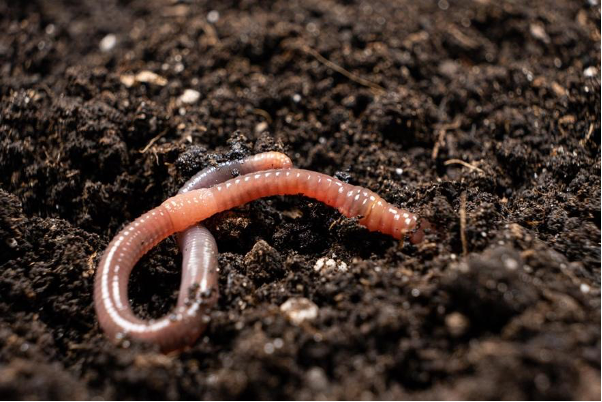
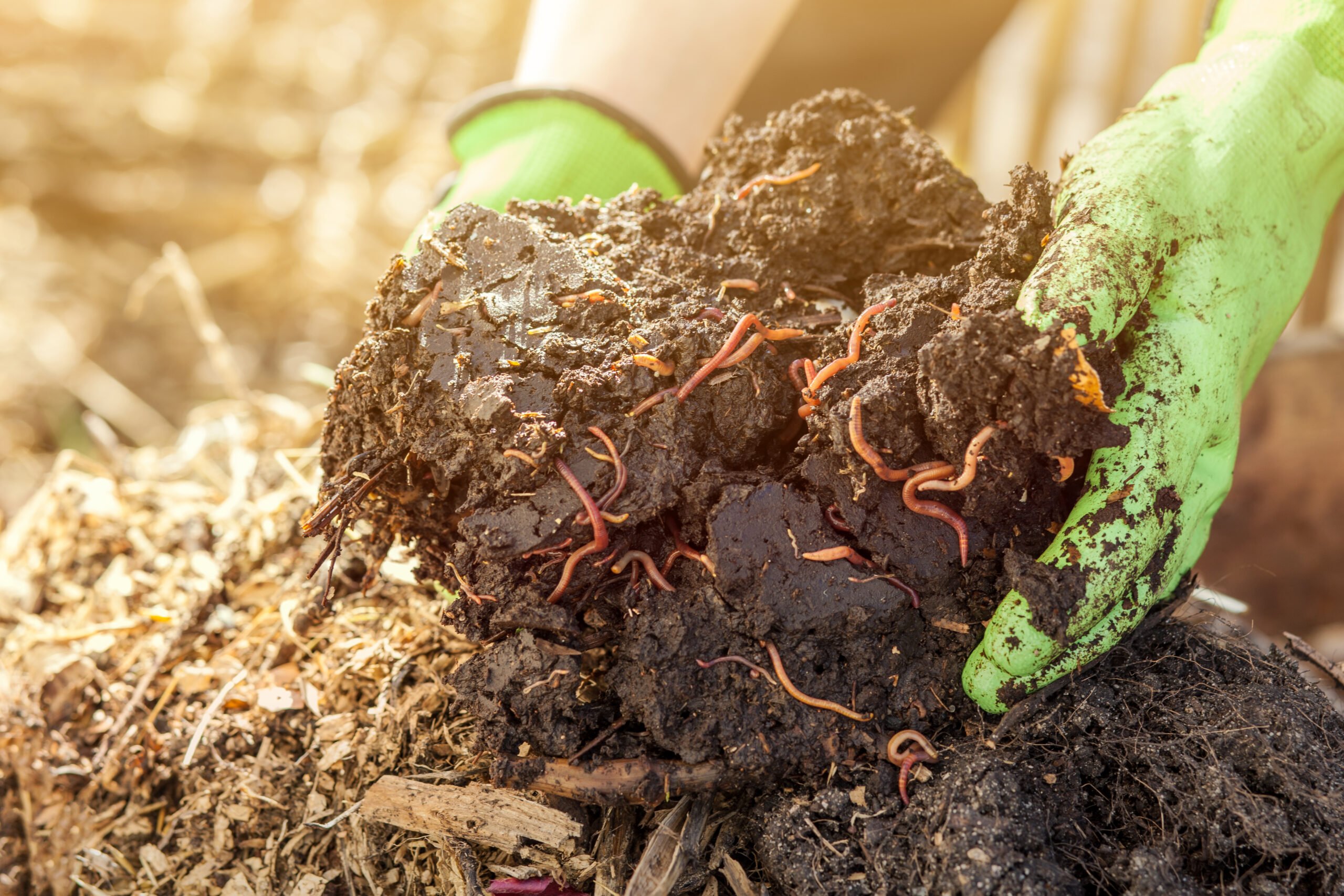
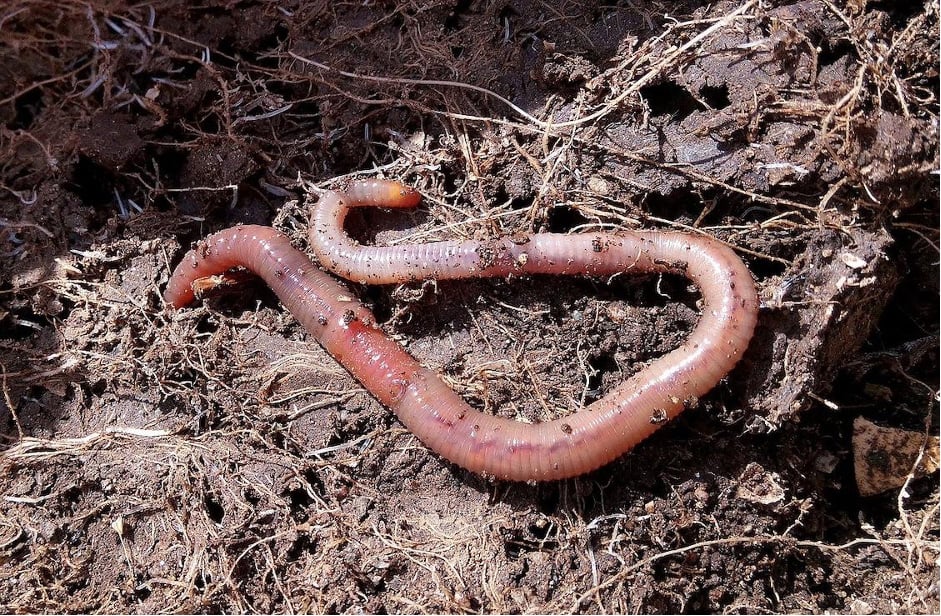
TURN ON IMAGES to see a warm worm Cooler weather is starting to head our way and now is the time to start thinking about winterizing your outdoor composting worms.

Our red wigglers are a hearty breed. They are fairly tolerant of colder temperatures, but they have their limits. Super Reds (European Night Crawlers) are a bit more cold hardy. If you live in an area of the country that gets cool in the winter, read these tips for protecting your worm friends:


Get Ready for Colder Weather Now

TURN ON IMAGES to see a warm worm Cooler weather is starting to head our way and now is the time to start thinking about winterizing your outdoor composting worms.

Our red wigglers are a hearty breed. They are fairly tolerant of colder temperatures, but they have their limits. Super Reds (European Night Crawlers) are a bit more cold hardy. If you live in an area of the country that gets cool in the winter, read these tips for protecting your worm friends:


Molting mealworms – nature's wonder spa

Too often I find myself outgrowing my own skin, watching it stretch into an unsightly mound of folded flab, wishing I could simply remove it and grow and entire new layer of coating...


"Where in the world Can I find some delicious mealworms?!"

“Um, you want delicious mealworms? GROSS!”


Harvesting your mealworms

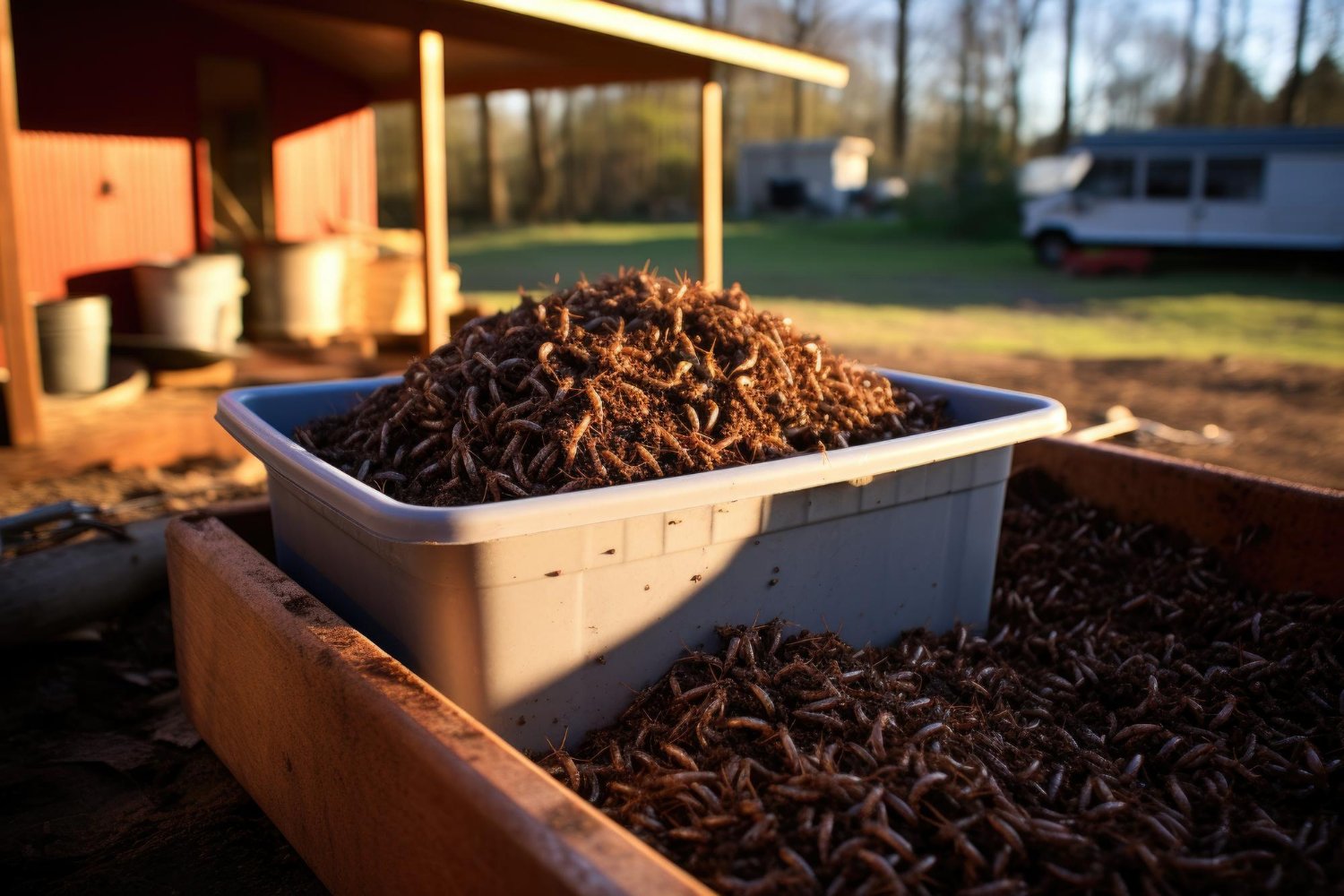
Raising mealworms is a delicate balancing act; the longer you feed them, the larger they will become. But, if you feed them for too long, then they will transform into the pupa phase, then into the darkling beetle. So this fight against time maybe be a little emotionally corrosive, however, corralling the appropriate balance will reward your efforts with fruitful mealworms that are everything your birds and reptiles are looking for.


The unorthodox excitement of feeding mealworms.

The benefits of mealworms are undeniable. They are high in protein, making an excellent feed for your favorite, neighborly blue birds, or serving the appetites of those exotic reptiles that lounge by the heat rock in their terrarium. Mealworms are easy to find, as most pet stores will offer them, or you can order mealworms directly from Uncle Jim's Worm Farm, where they are they come with a live delivery guarantee. Although bearing such great benefits and easy discovery, mealworms can often present a puzzling dilemma upon receival, as most people are unaware of how exactly to feed their mealworms.


Feeding Mealworms to bluebirds

Buying mealworms is often elicited from the desire to witness the breathtaking beauty of bluebirds. Bluebirds are enriched with a marvelous coating of powdered blue feathers that act as a stunning model of evolutionary aesthetics. But as joyous as it is to engage in the toothsome blue birds, it can be immediately overcome with anxiety of not knowing how to distribute the mealworms for the bluebirds. Although dealing with live and wild animals may be task-challenging, with a few subtle and simple suggestions, it can certainly be less taxing.


Storing mealworms

Mealworms are an excellent feed for all reptiles, birds, and exotic birds. Their nutritional value and taste make them an ideal feed, as they are routinely desired immediately after the first consumption. But, because mealworms are an holometabolic insect, meaning they have a metamorphosis phase, it may be cumbersome to contain the mealworms in their larva stage. If temperatures are too warm, then the worms can transition into the pupa stage, which then transforms into the darkling beetle phase. And if they transform into the darkling beetle phase, they loose their appeal to the reptiles and birds. If the worms the don't have enough to eat or enough water, then they can easily die in their habitat. So there are a few more obstacles presented with maintaining mealworms in their larva stage.


Mealworms: the circle of life!

You're probably considering mealworms if you are reading through this article, which isn't too surprising, considering their nutritional value. They provide a high portion of necessary protein for growing reptiles and birds. They also offer fat and potassium to the scaley consumers, which helps create an internally content pet. And not only beneficial for the pet, but they are typically less messy to handle than red wrigglers or european nightcrawlers.


Gathering at the Rhode Island School of Design, about 200 community eco-minded community members heard argument s for a Compost Initiative in the state.


Blog Tags

FacebookTwitter

Talk to a real person at Uncle Jims

Blog Login


PayPal Excepted at UncleJimsWormfarm.com
BBB